

A few months or so ago, I received an email from my old fishing buddy Jerry Gibbs, the retired fishing editor of Outdoor Life. Jerry sent me a link to an outdoor column by Paul Bruun, a Wyoming writer lamenting the decline of our classic outdoor literature. The Bruun column also had a link to the unedited copy of the Road to Tinkhamtown by Corey Ford. If you read my columns, you will probably remember that I sometimes refer to the memorable Tinkhamtown story that initially appeared in Field & Stream magazine in 1969. The Road to Tinkhamtown was written by Ford back in 1965
That magical story affected me so much that I now usually end messages to my older hunting and fishing buddies friends with “See You in Tinkhamtown.” If I said that to my non-hunting friends, they would not have the slightest idea what I was talking about. Sadly, I also doubt that our young sportsmen today ever heard of “The Road to Tinkhamtown.”
Mr. Bruun doesn’t pull any punches about the current lack of outdoor stories of yesteryear. “I was and still am thinking about all that wonderful writing that used to come tumbling out of the Madison Avenue produced pure outdoor magazines.”
I agree. I was part of that era of classic outdoor literature no longer published by outdoor magazines. Why has this happened? Why have the editors of today stopped seeking those great stories and authors? I probably subscribe to most outdoor magazines published today, and I have to admit that I’m often fed up with the overload of nuts and bolts articles in every issue. I confess to being an equipment freak, but I also don’t want steak seven days a week. And you really can’t curl up on a cold winter night and read a 20-word tweet. I may well be a victim of new communication technology, but I surely believe we may have lost some of the greatest treasures of outdoor literature.
Young hunters and fishermen, have you ever heard of Corey Ford, Robert Ruark, Gene Hill, Nash Buckingham, Pat McManus, Burton Spiller, Havilah Babcock, Ed Zern, Gordon MacQuarrie? Do you know about The Old Man and The Boy, Lower Forty or Hill Country? If you don’t know what I’m talking about, you’re missing the best part of our hunting and fishing culture. The above men, all deceased, were the masters of outdoor tales of a past age. I knew some of these writers, which gives you an indication of my age, and every one of them was masters of bringing heart and depth to their stories. When they faced charging Cape buffalo in Africa, you were with them, fished for Chinooks in Alaska, hunted quail with their faithful bird dogs and those hair-raising tales of survival.
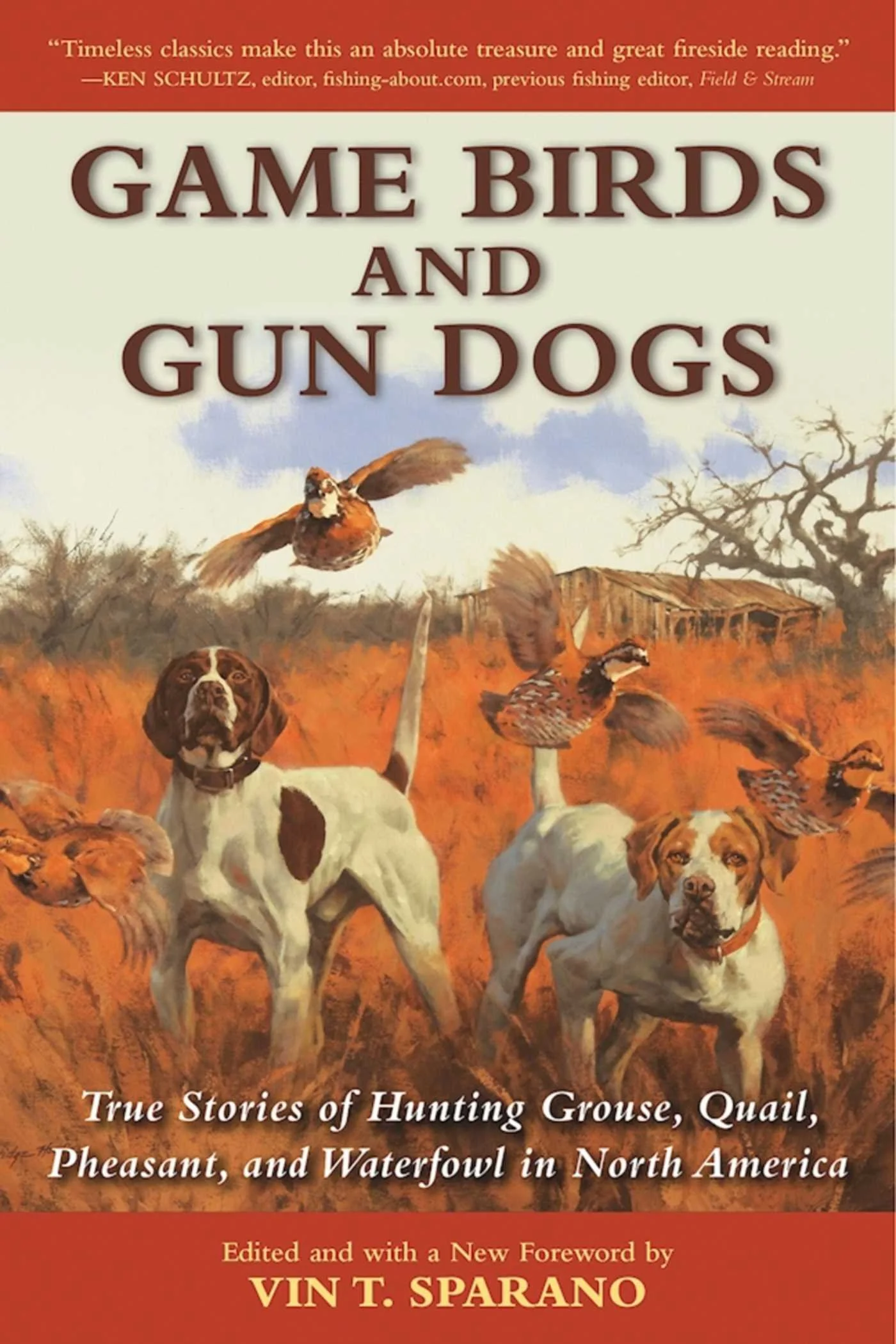
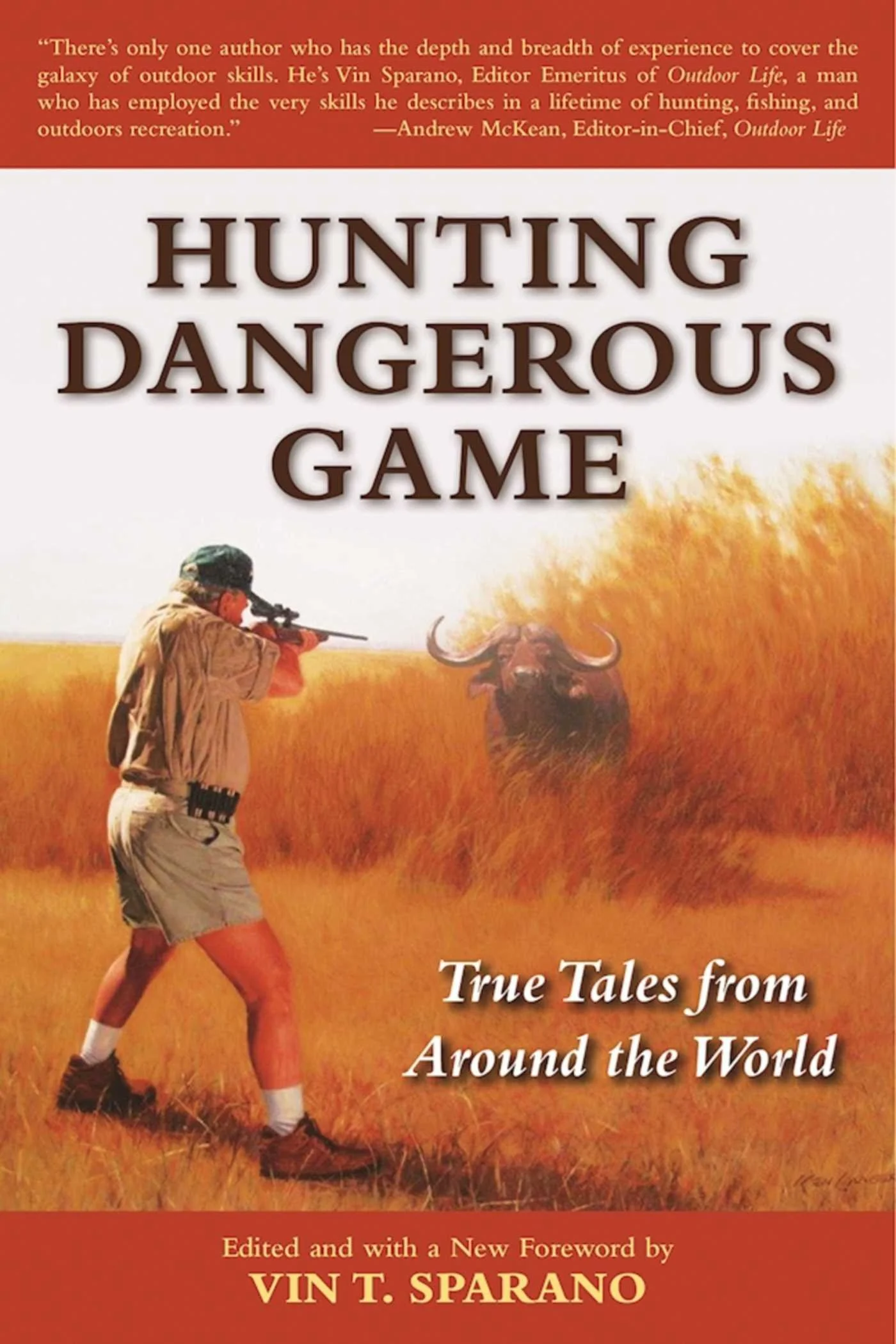
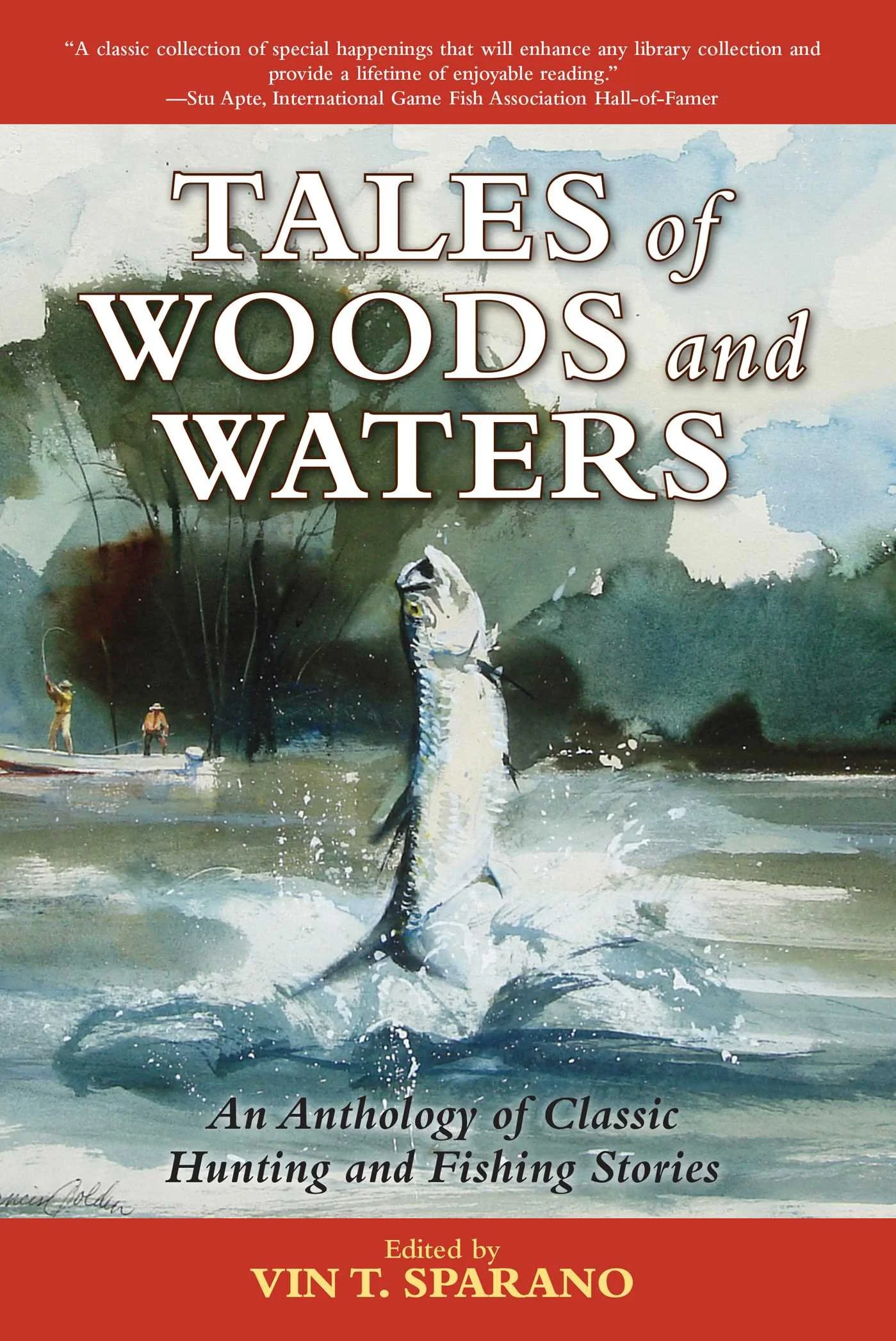
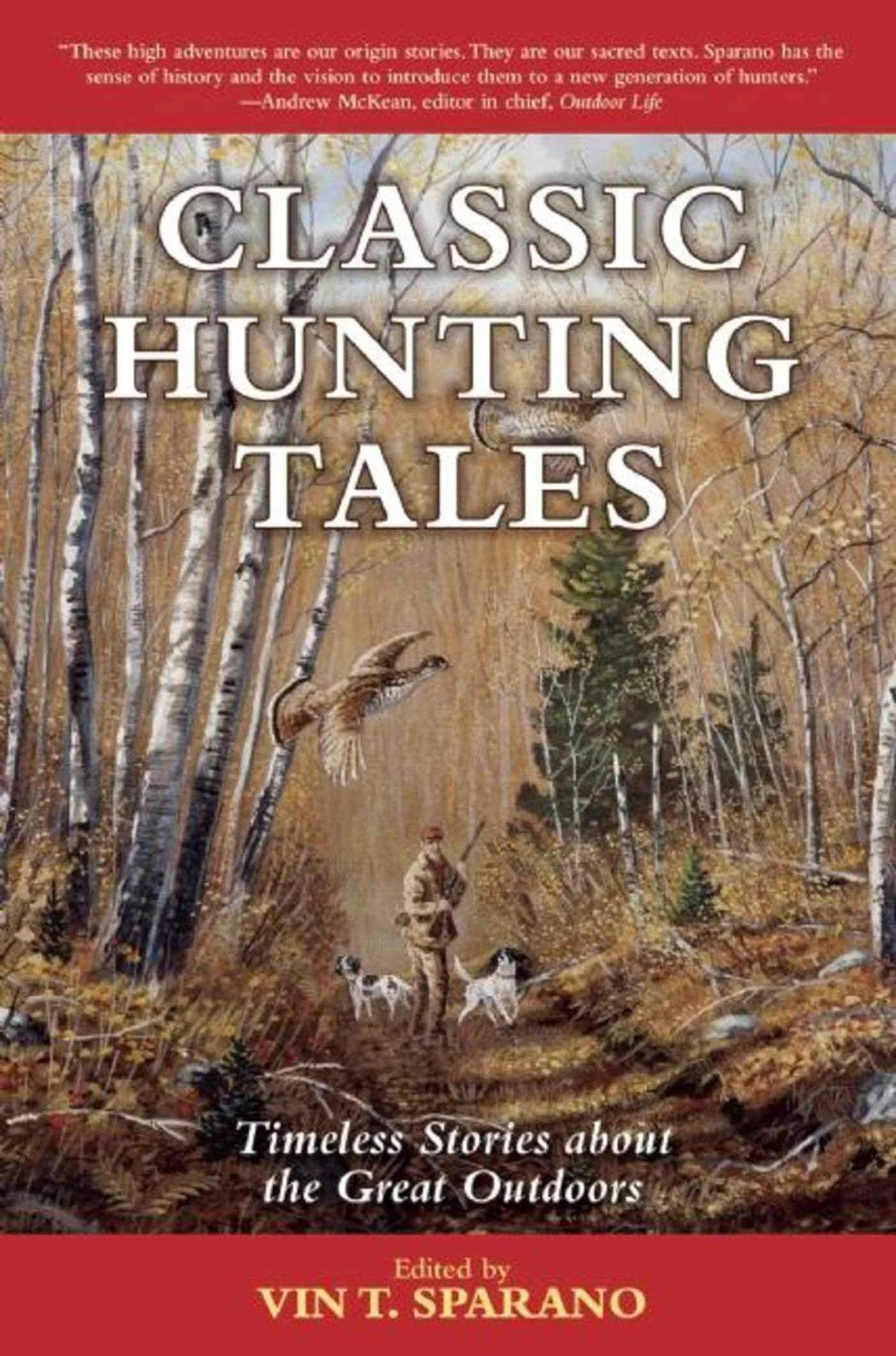
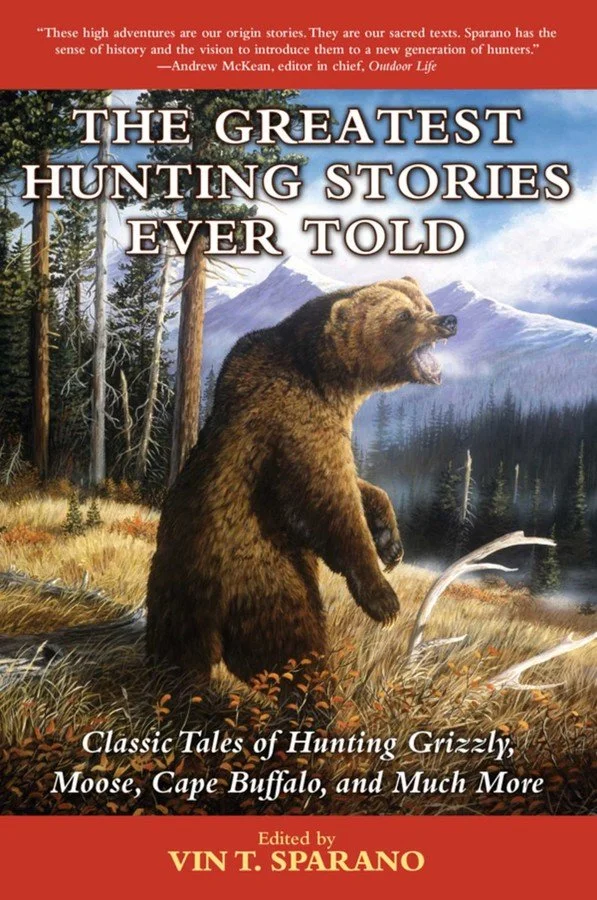
I urge you to seek out the book dealers and collectors at outdoor shows. They may have the smallest booths at the show, but they offer a treasure of outdoor literature. Look for the authors I mention above or anthologies of outdoor stories. I published several collections of these memorable stories, such as The Road to Tinkhamtown, Gene Hill’s Lost Dog, and many others. If you have trouble finding some of these anthologies, visit Amazon Books. The books are there.
Rick Methot, my hunting and fishing buddy and a fellow columnist is also a strong supporter of this classic outdoor literature, which may be in danger of disappearing in the wake of increasingly smaller and fewer outdoor publications. Rick visits as many flea markets as he can in search of these outdoor books. Like Rick, you may find classic outdoor books for a few dollars. Years ago, I bought a copy of Lawrence Koller’s Shots at Whitetails, one of the best books on deer hunting in the northeast, especially New York’s Catskill Mountains. Koller’s book was published in 1948. Amazon lists it for $50. I bought it at a flea market for $2.
Skip the jerky booth at your local outdoor show and look for these classic books this year. The stories may make you feel differently about your days in the field.
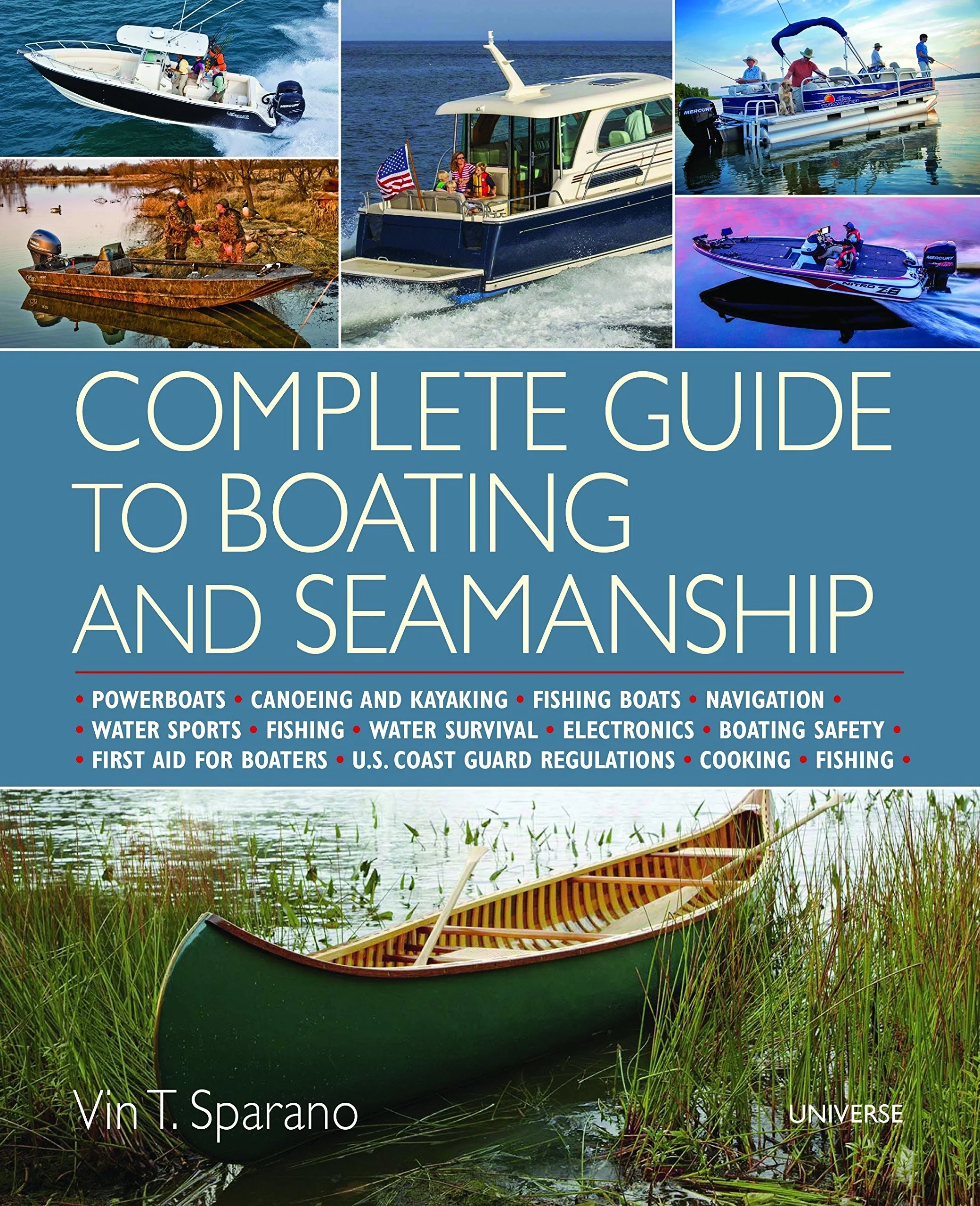
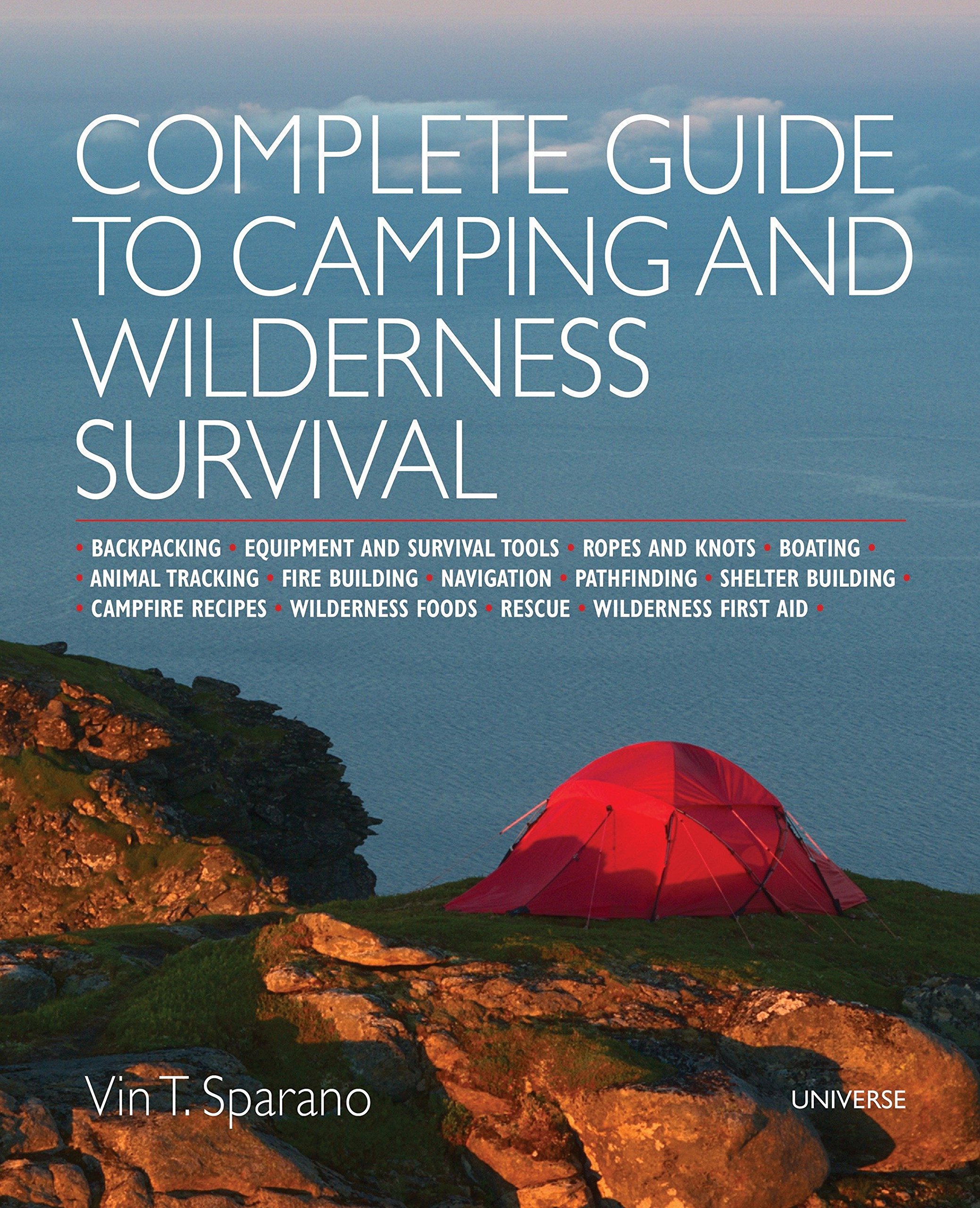
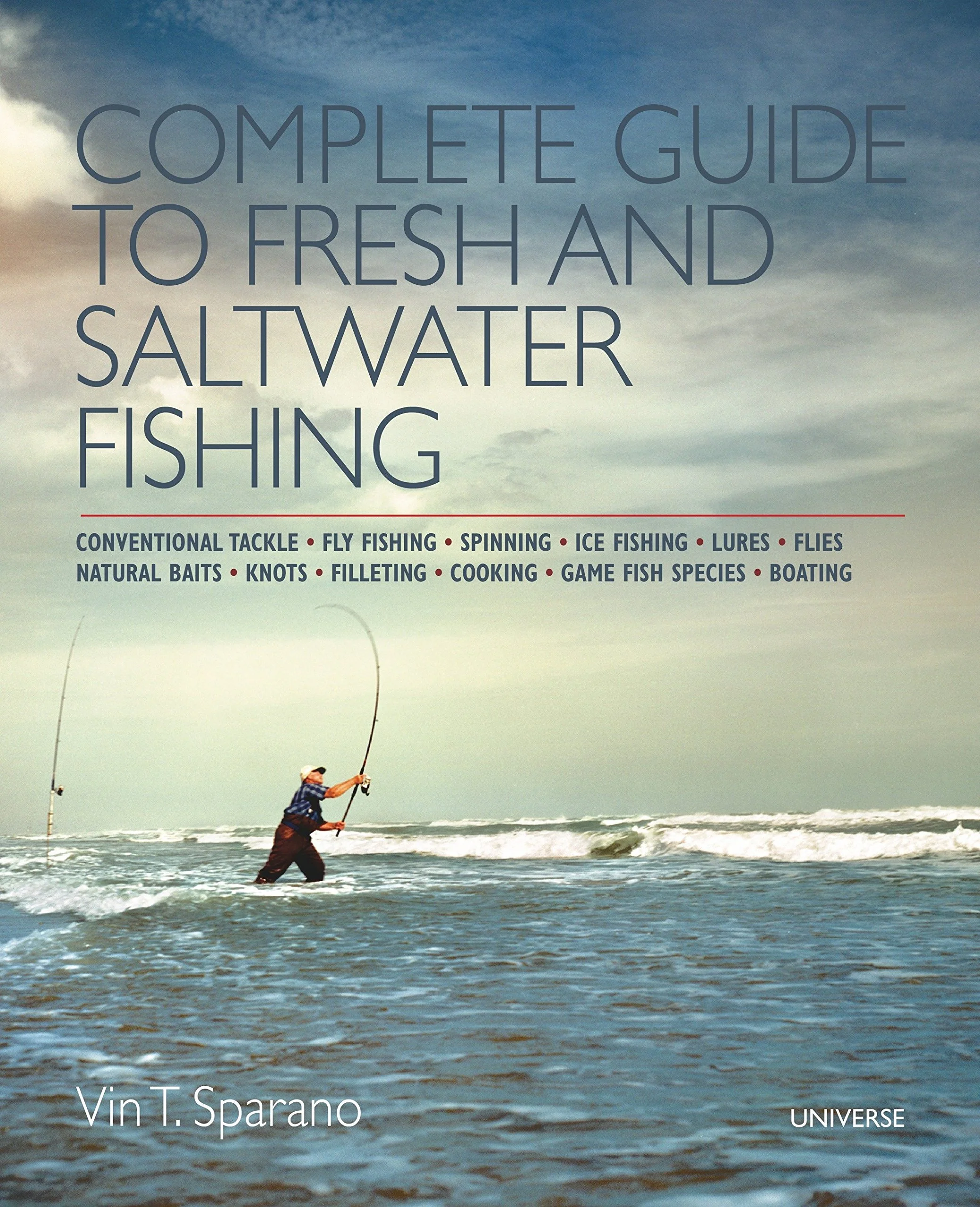
Check Out Vin T. Sparano’s Books



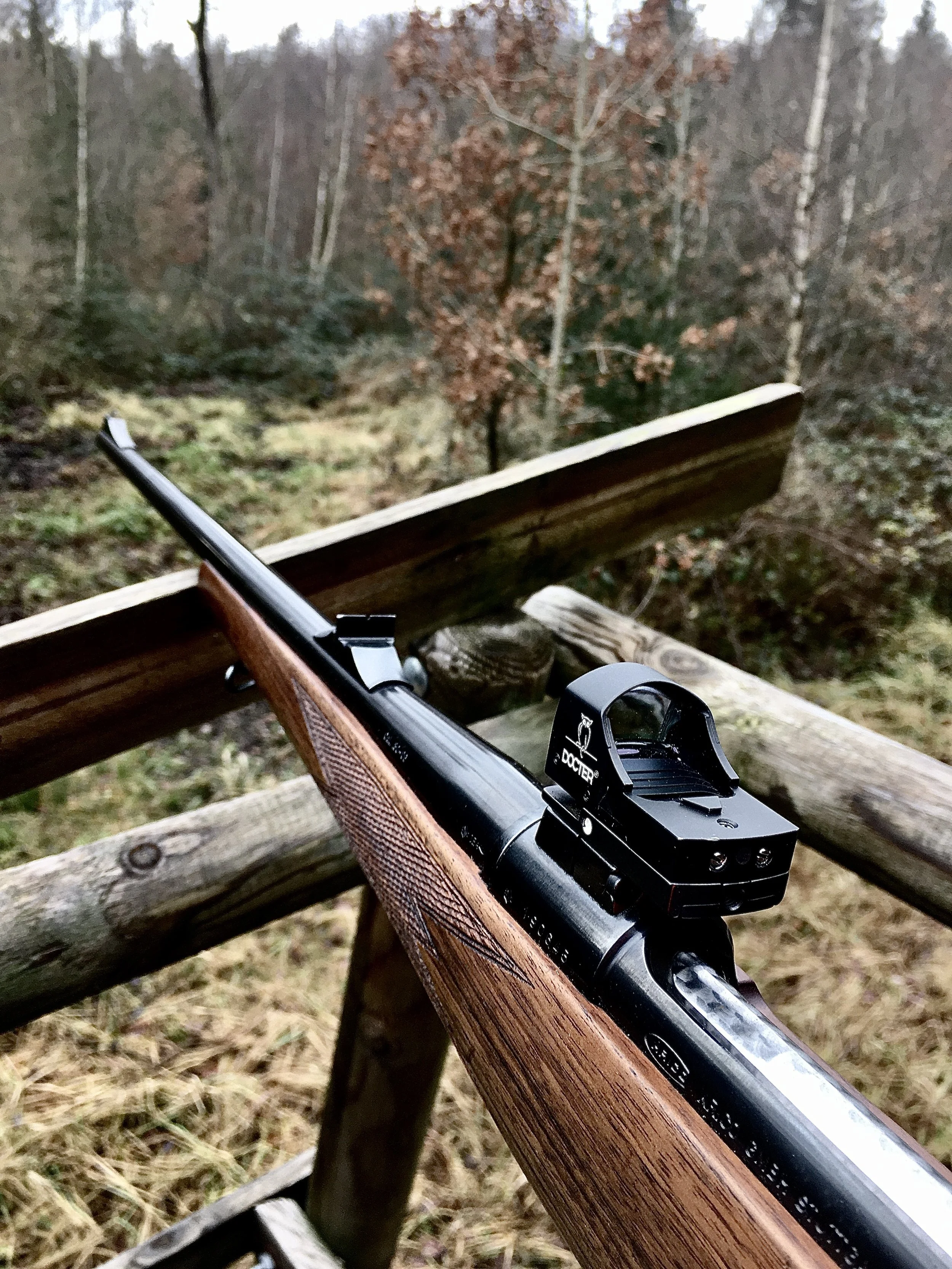
The new Winchester 400 Legend straight wall cartridge matches 30-30 Winchester performance but is legal in straight wall cartridge states.

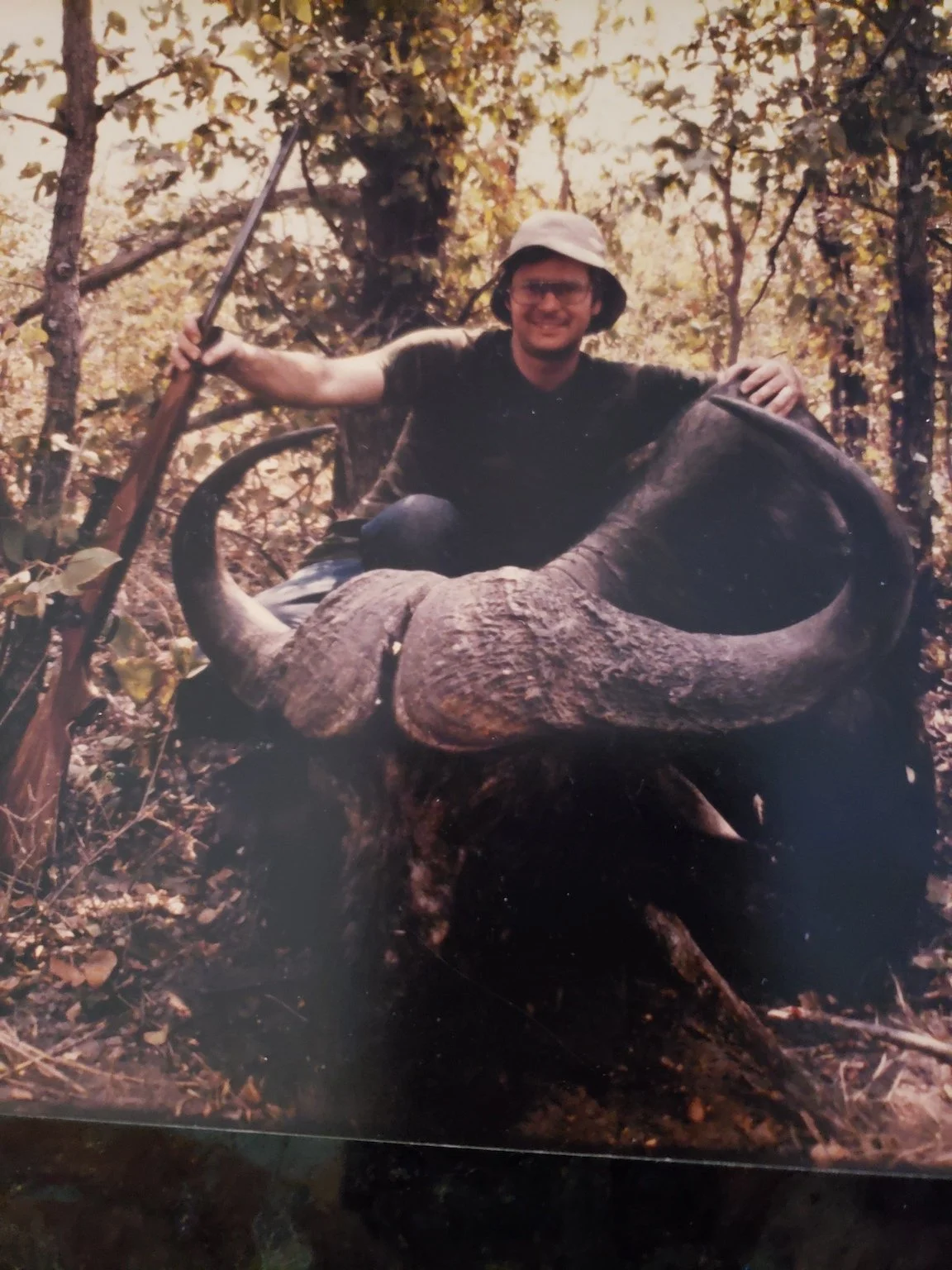
Stalking cape buffalo on the naked plains of Mozambique’s Zambezi Delta leads to food for local villagers and more wildlife across the hunting block.
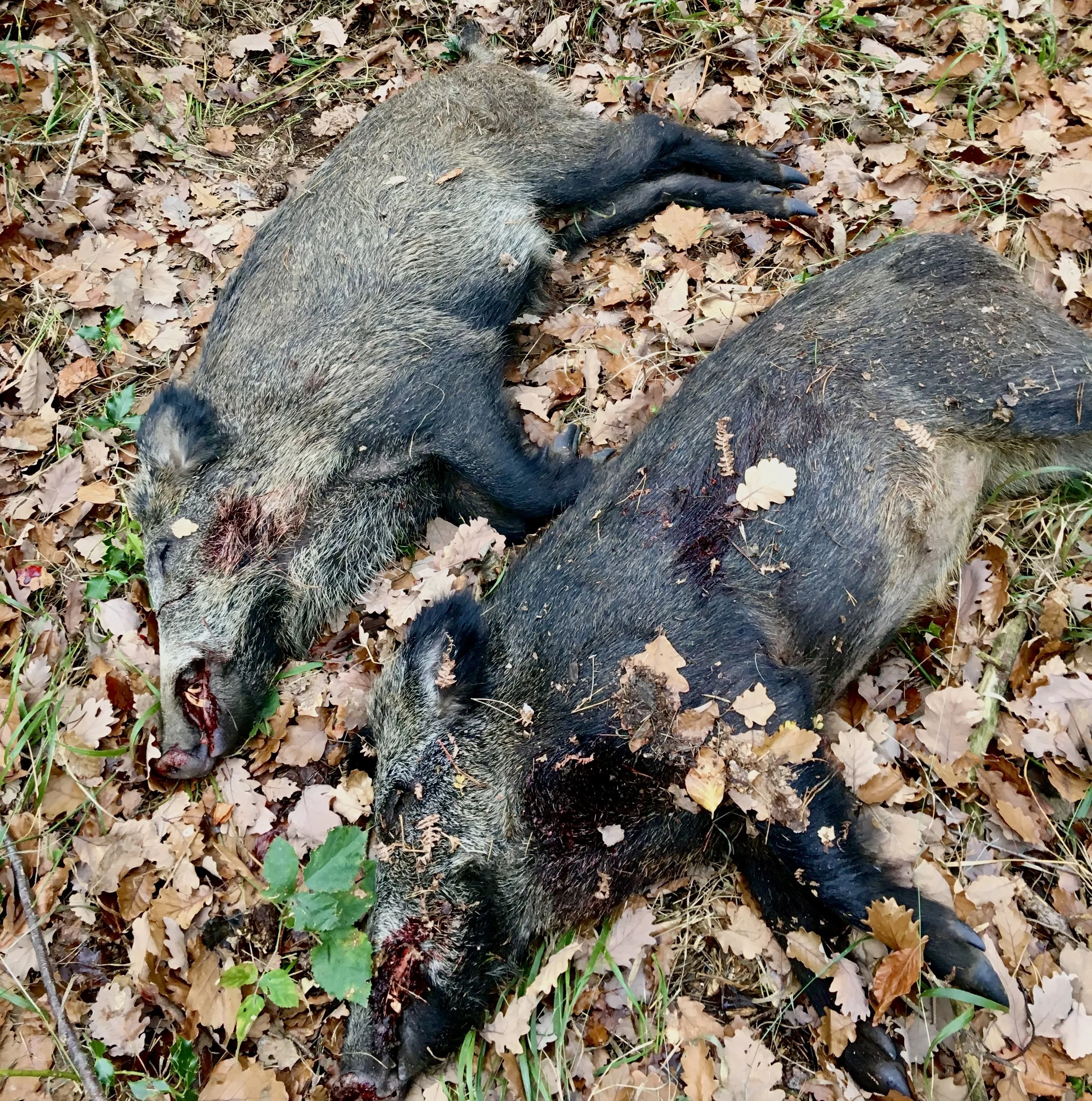
Being as stealthy as possible while moving through hunting grounds is essential. If you're still trying to hunt through potential bedding areas, closing in on game you spotted from afar, trying to sneak to your tree stand for a sit, or you're tracking bucks as they do in New England, every noise you make is too much.
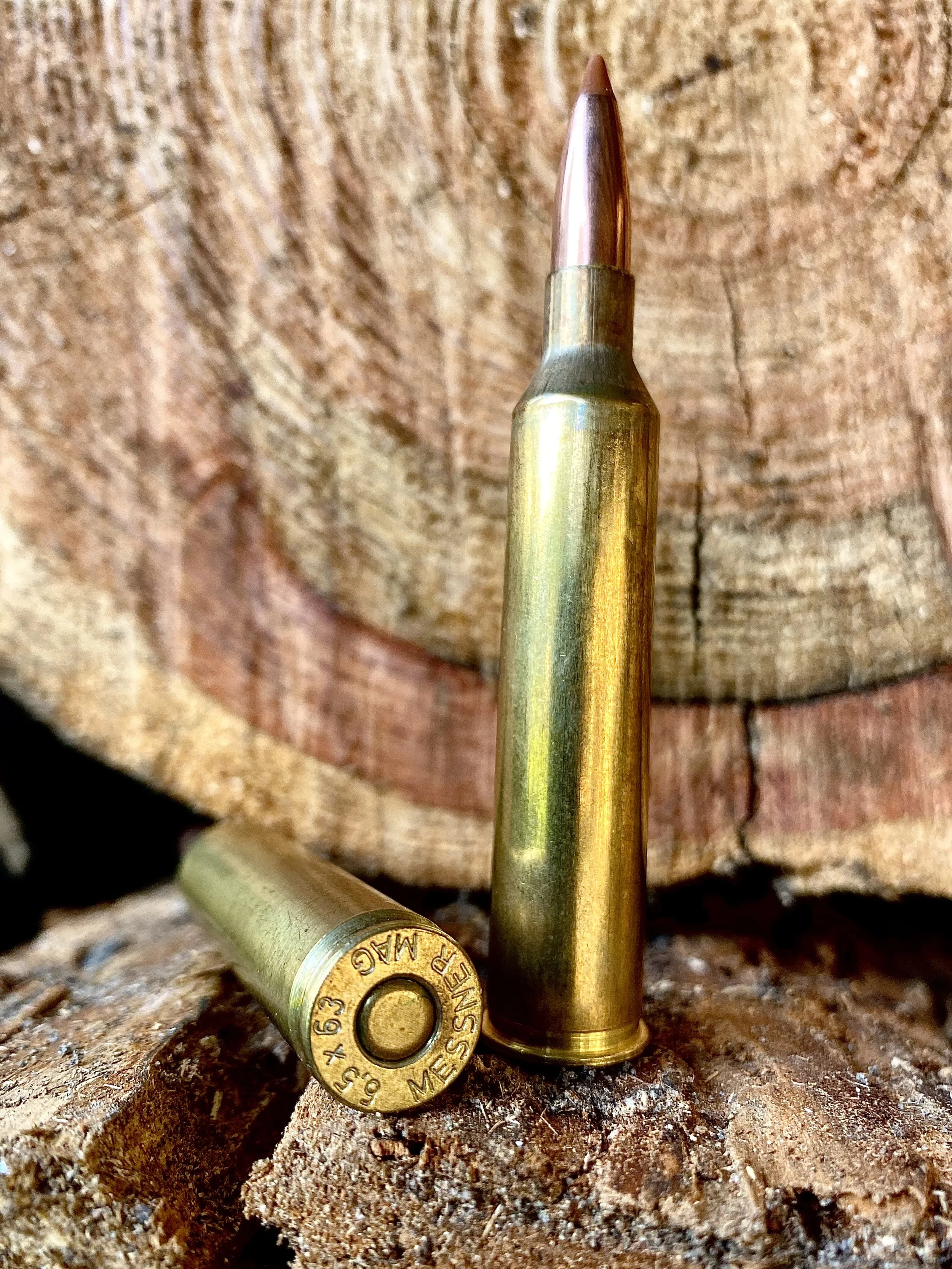
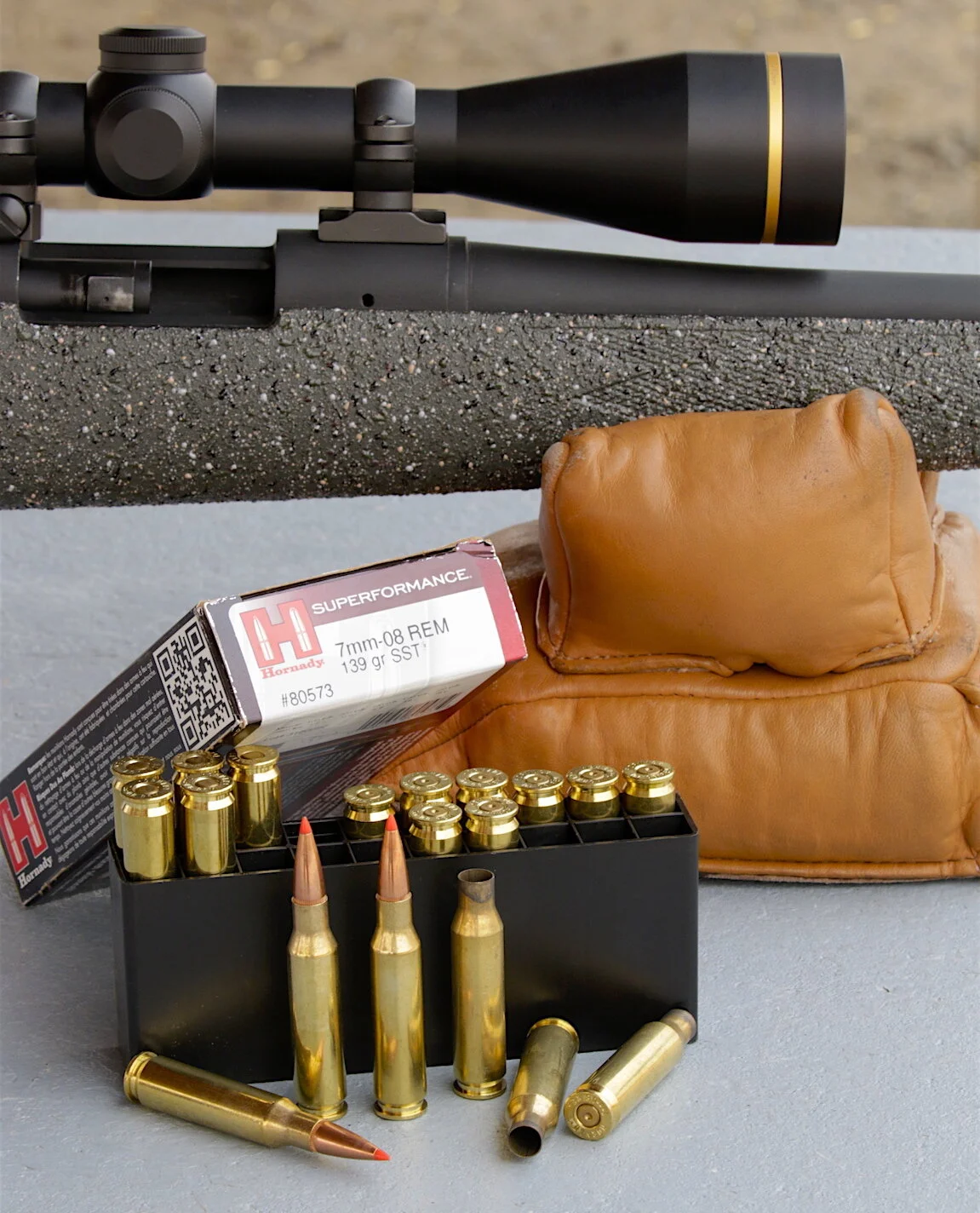
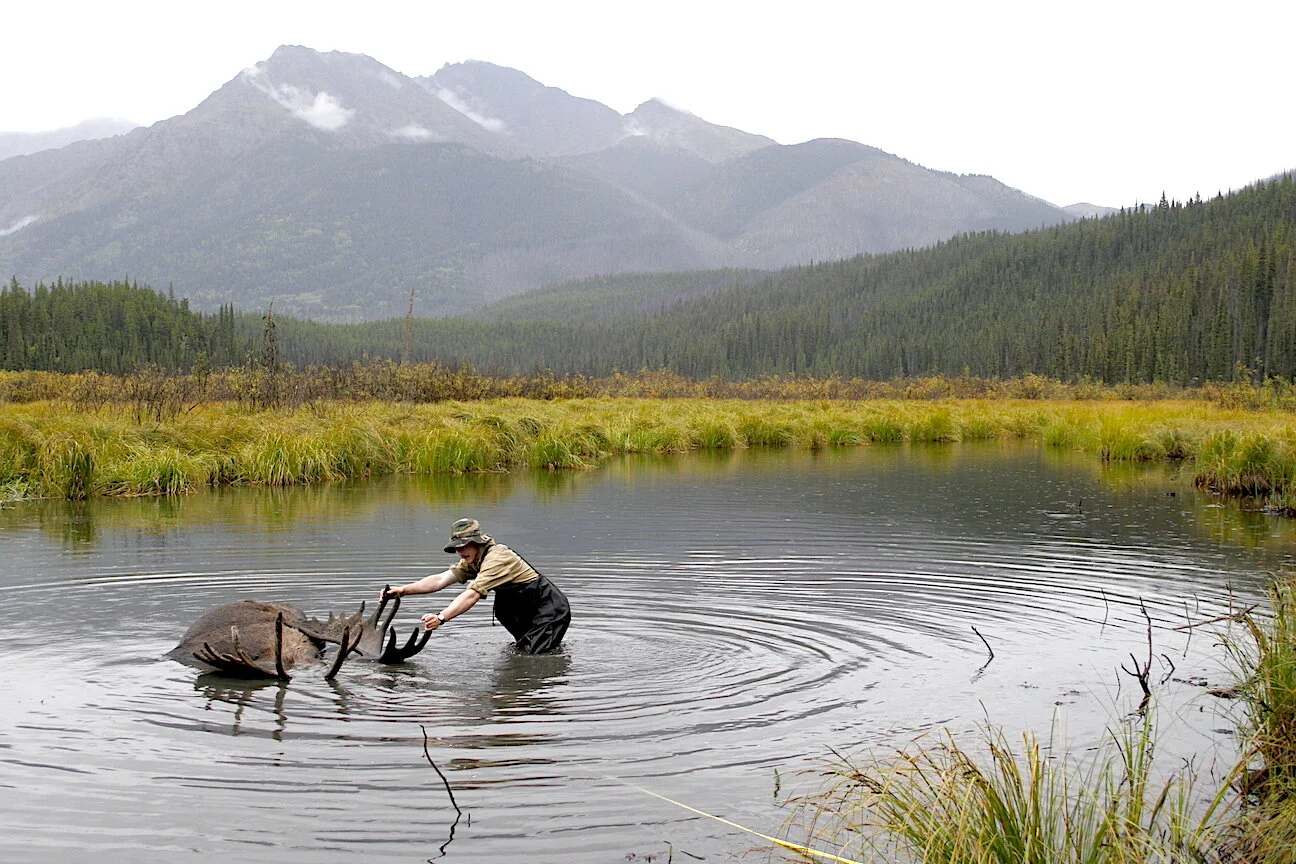
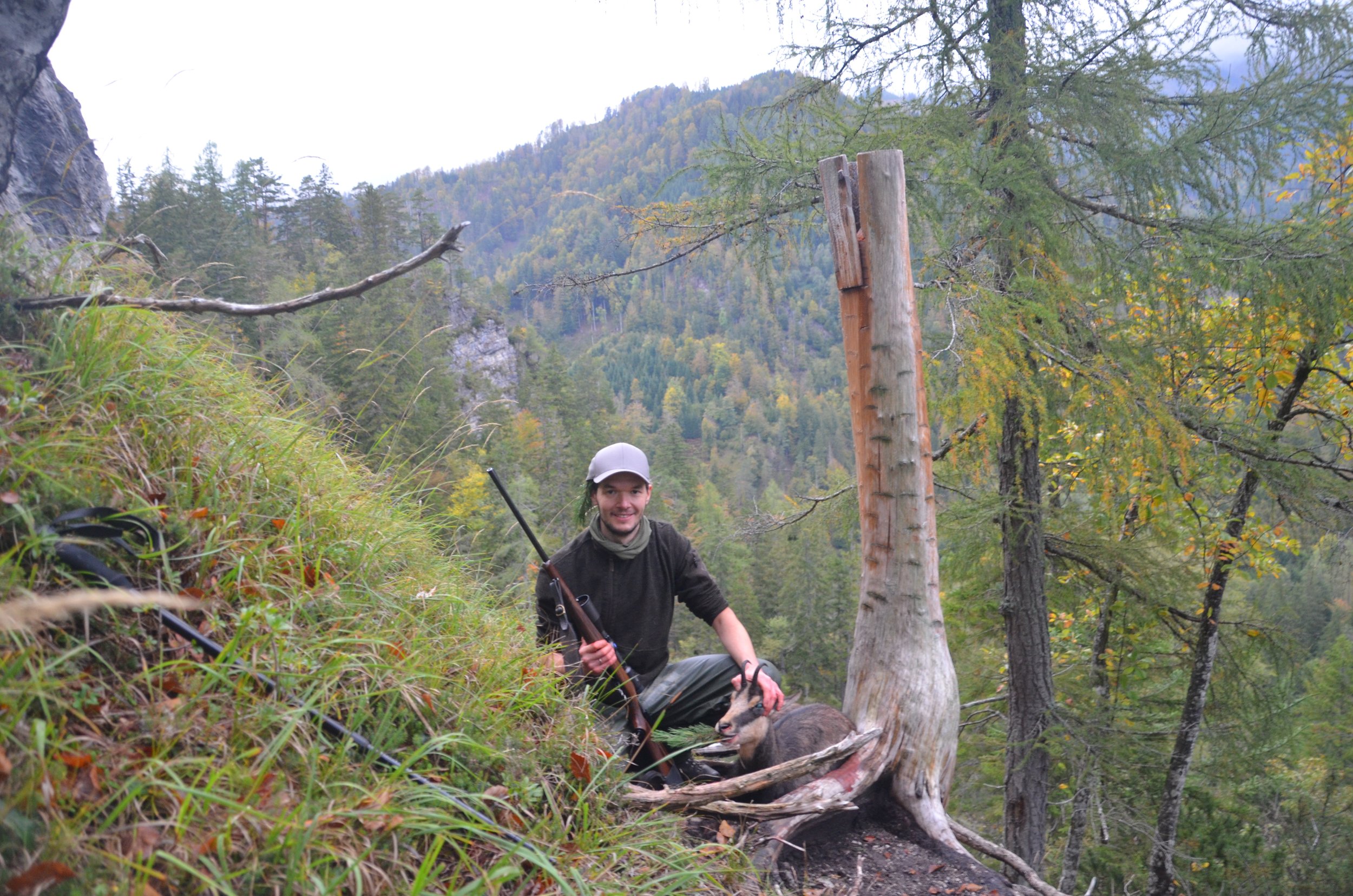
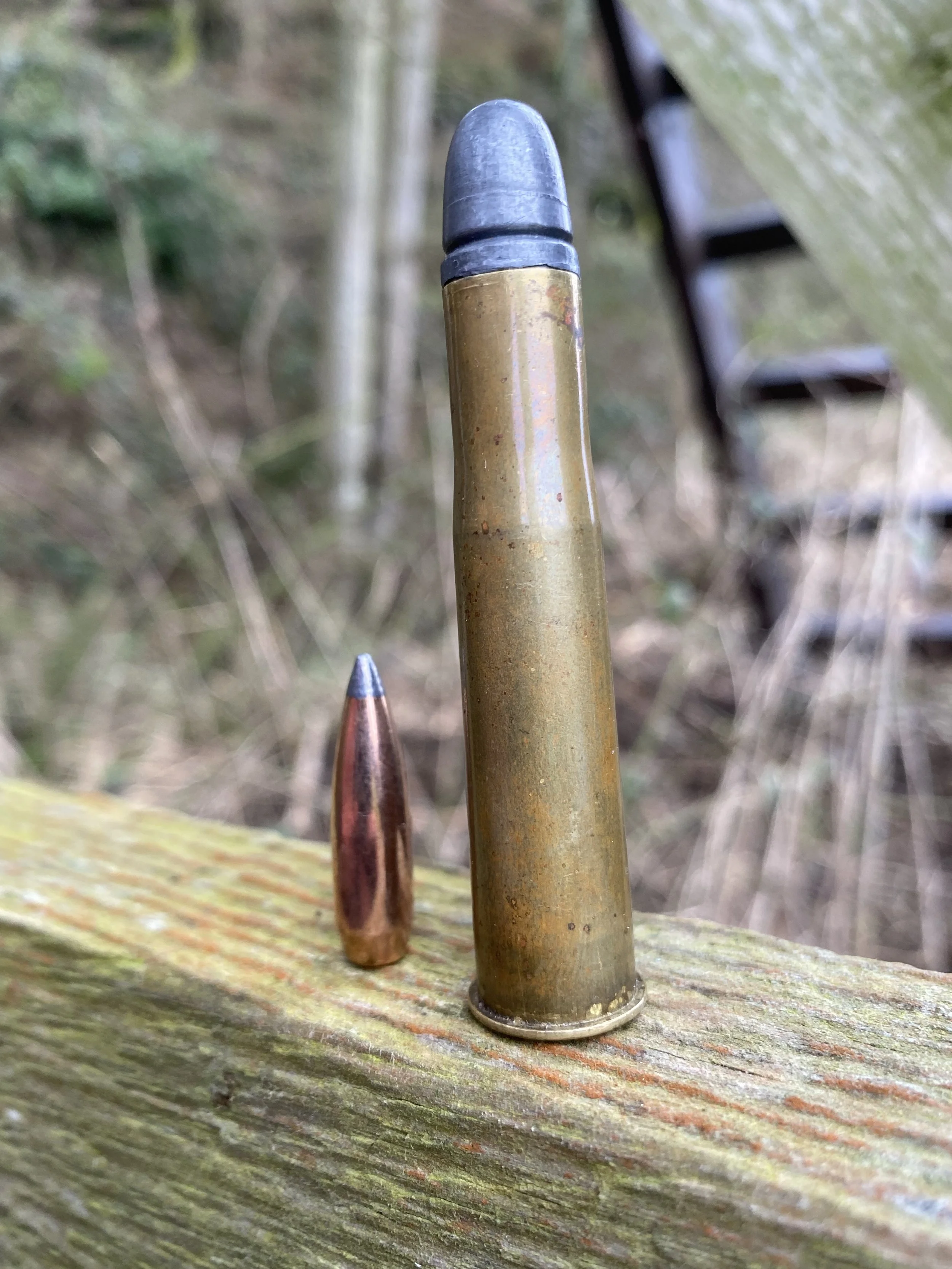
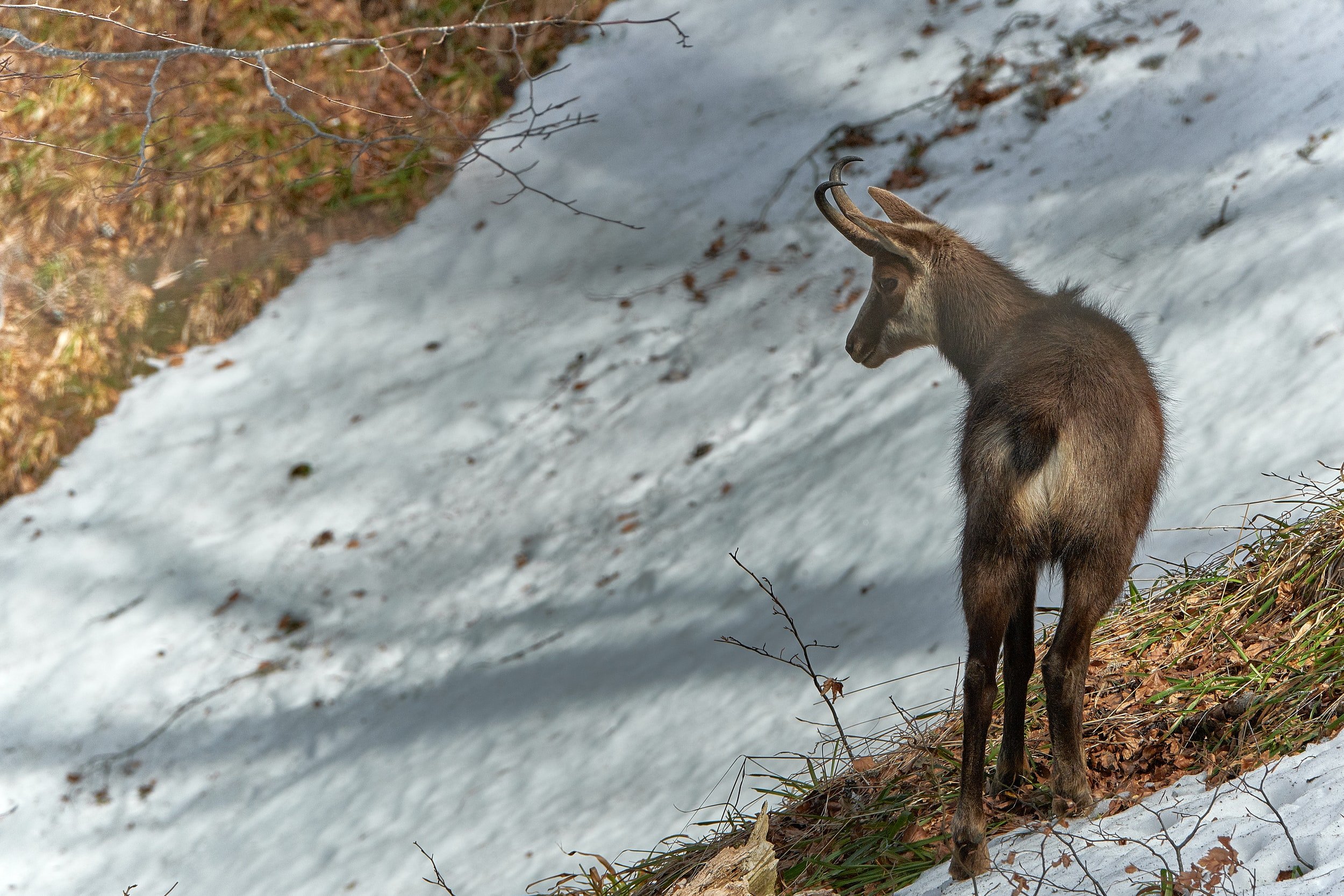
They start from the base, rising with bumps, bruises, and little rings. At last, they turn back, bending to form a bow. With their thick bases, a pair of them sits atop a white face with dark, lengthwise stripes. Every European mountain hunter dreams of this trophy -- the horns of a chamois.

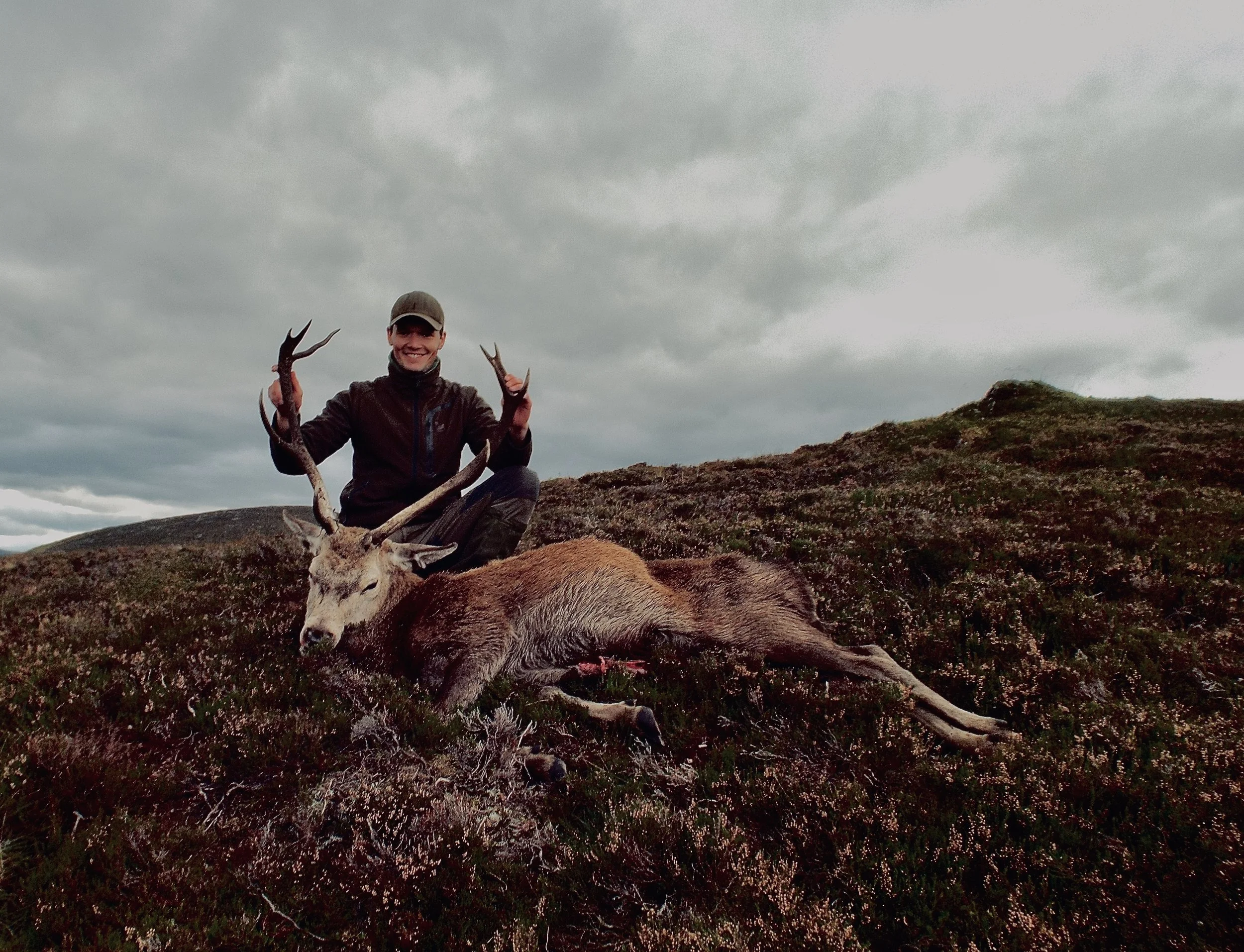

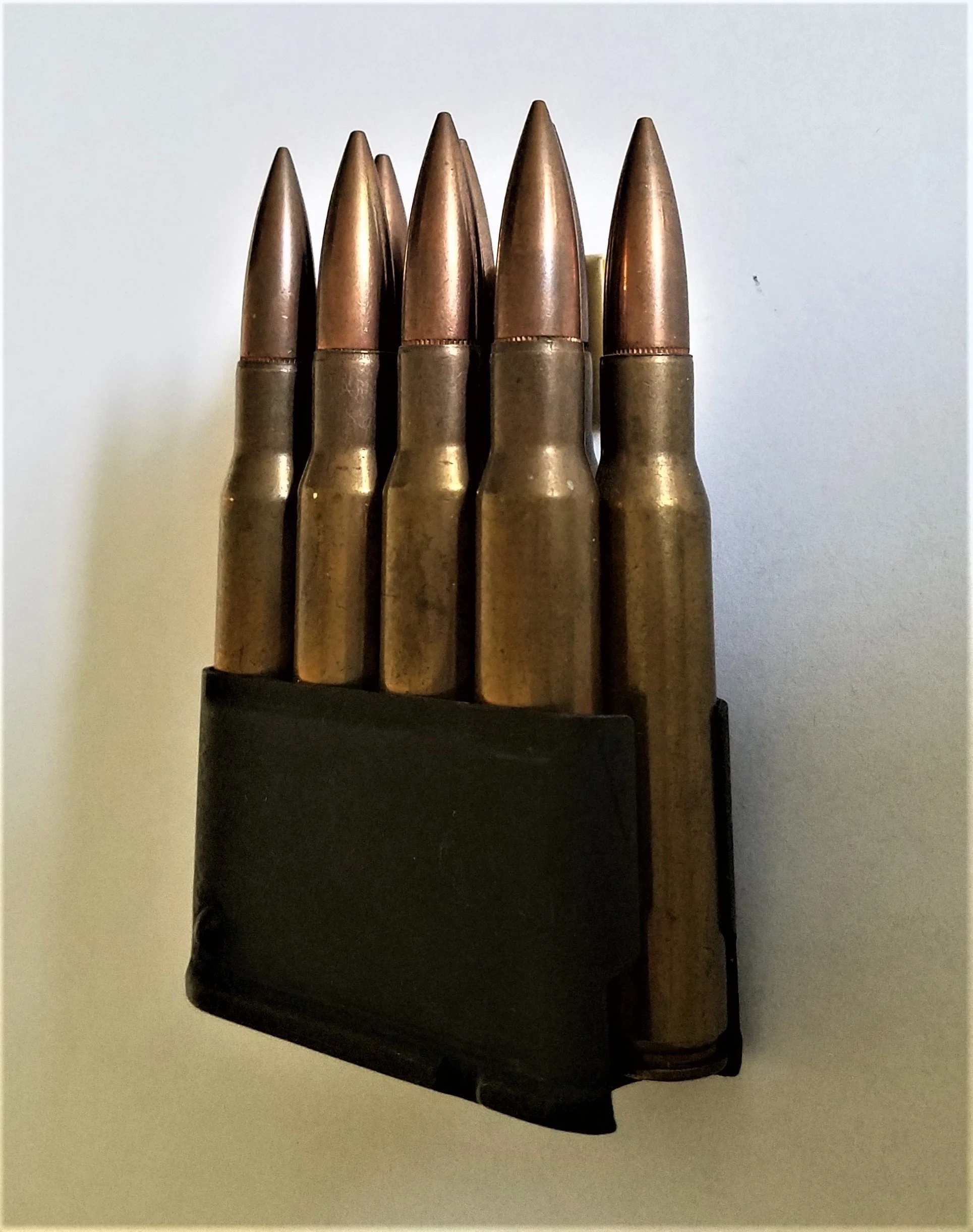
If the average American hunter heads out for a big game hunt, chances are he’s relying on the .30-06 Springfield to get some meat on the ground. Why? Well, because the ought-six has proven time and time again that it gets the job done -- reliably and repeatedly.
If his European counterpart picks his do-it-all rifle, he’ll choose the 8mm Mauser rifle every time.
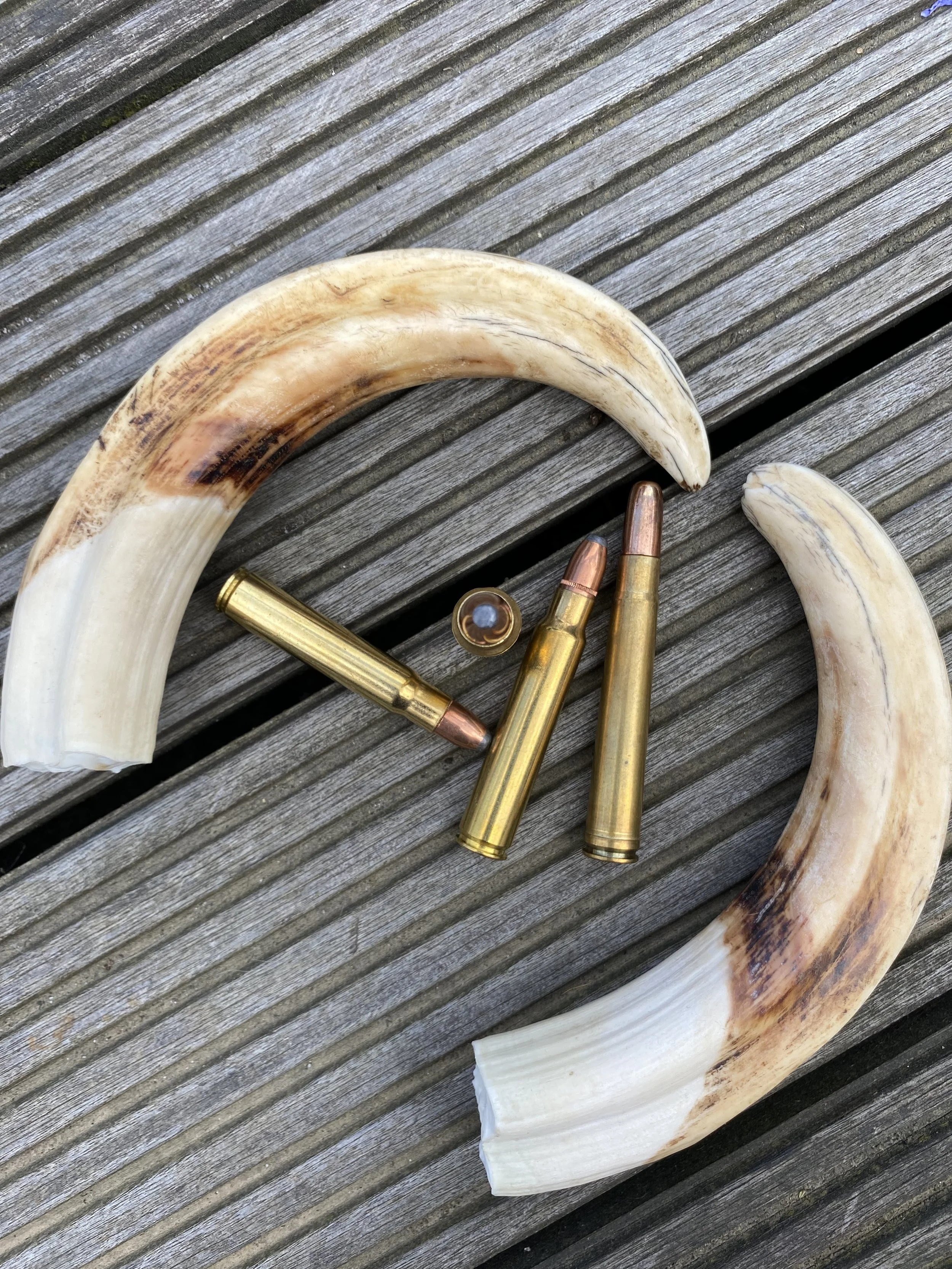
Since its introduction in 1912, the venerable .375 Holland & Holland has been the benchmark for all medium-bore cartridges. Its caliber is the minimum for dangerous game hunting in many African jurisdictions, and with adequate bullets, it’s a sensible choice even for elephant hunting.

Zeroing a traditional 30-30 load at 160-yards maximizes point blank range, but a 50-yard zero might be more effective in tight cover where shots are no farther than 120 yards. Sight-in high at 100 yards for most versatility.
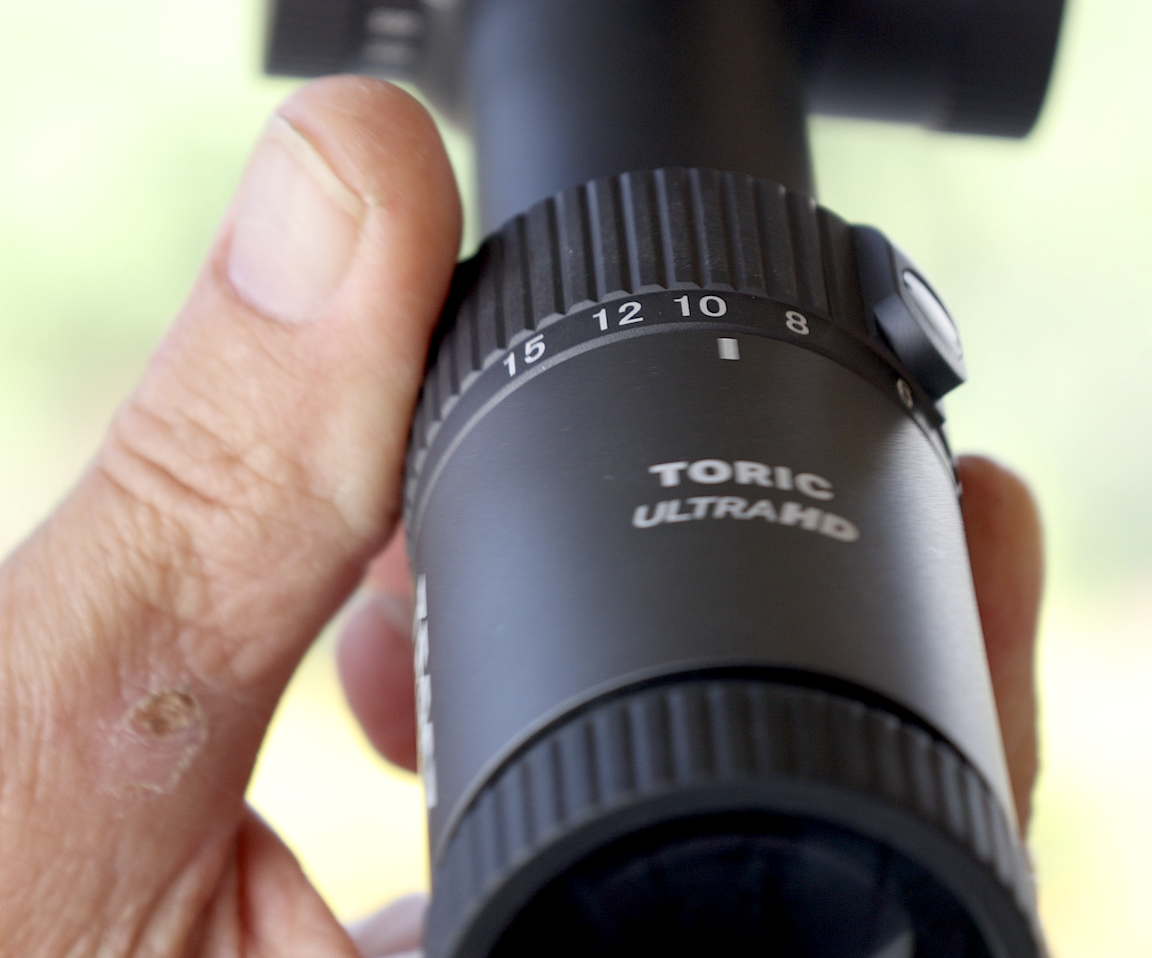
Tract Toric Ultra HD 2.5-15x44 FFP MOA scope earns 5 Stars. Sharp, bright, high contrast, precise, repeatable.


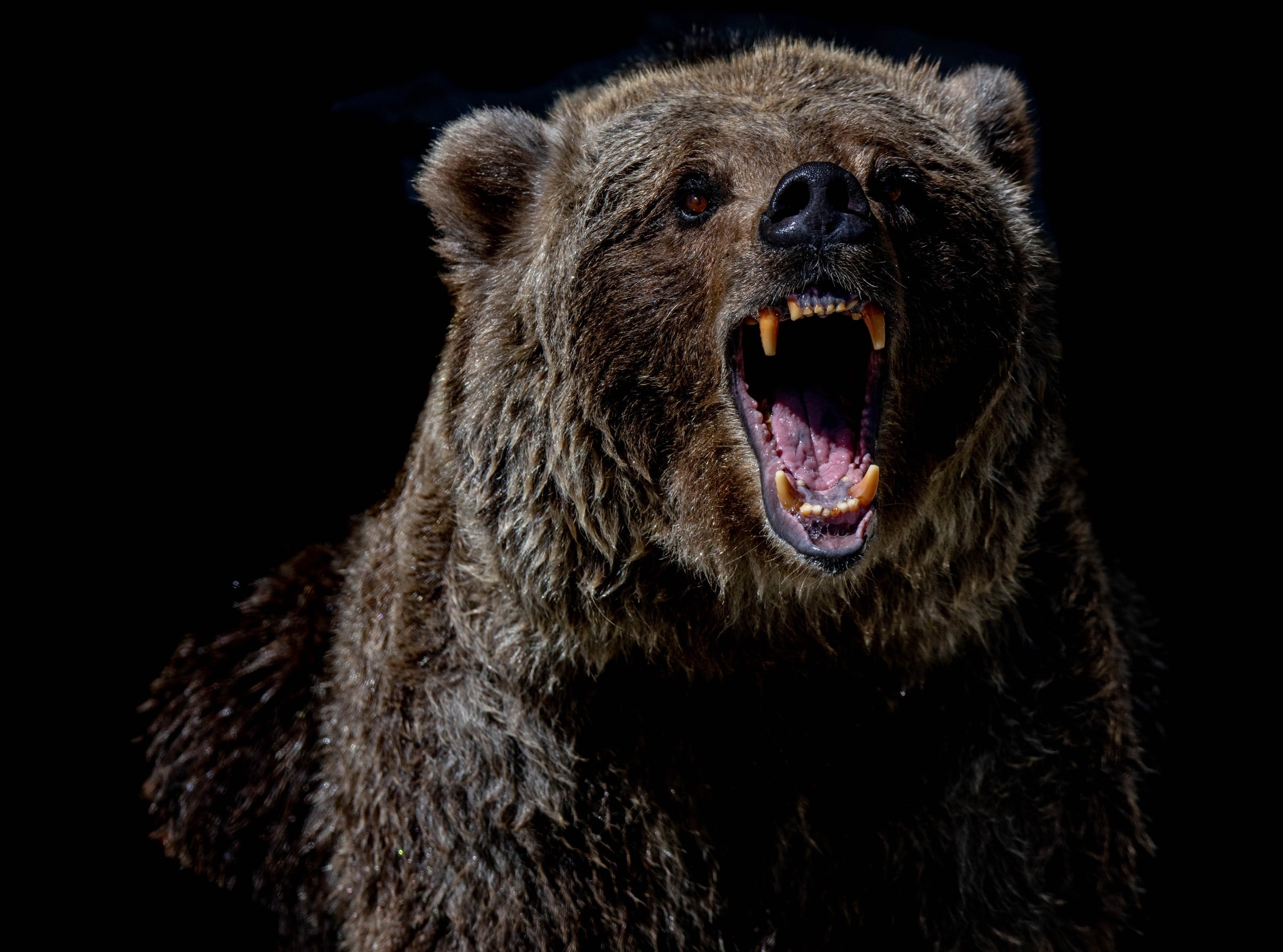
“Find me a good flapping scalp story,” I’d say to the Outdoor Life editors at many of our staff meetings. I meant, of course, a good bear tale where a grizzly or Alaska brown bear got the upper hand and chewed off the hunter’s scalp. During my tenure at Outdoor Life, I learned very quickly that our readers had a true love affair with bears, especially rogue grizzlies.
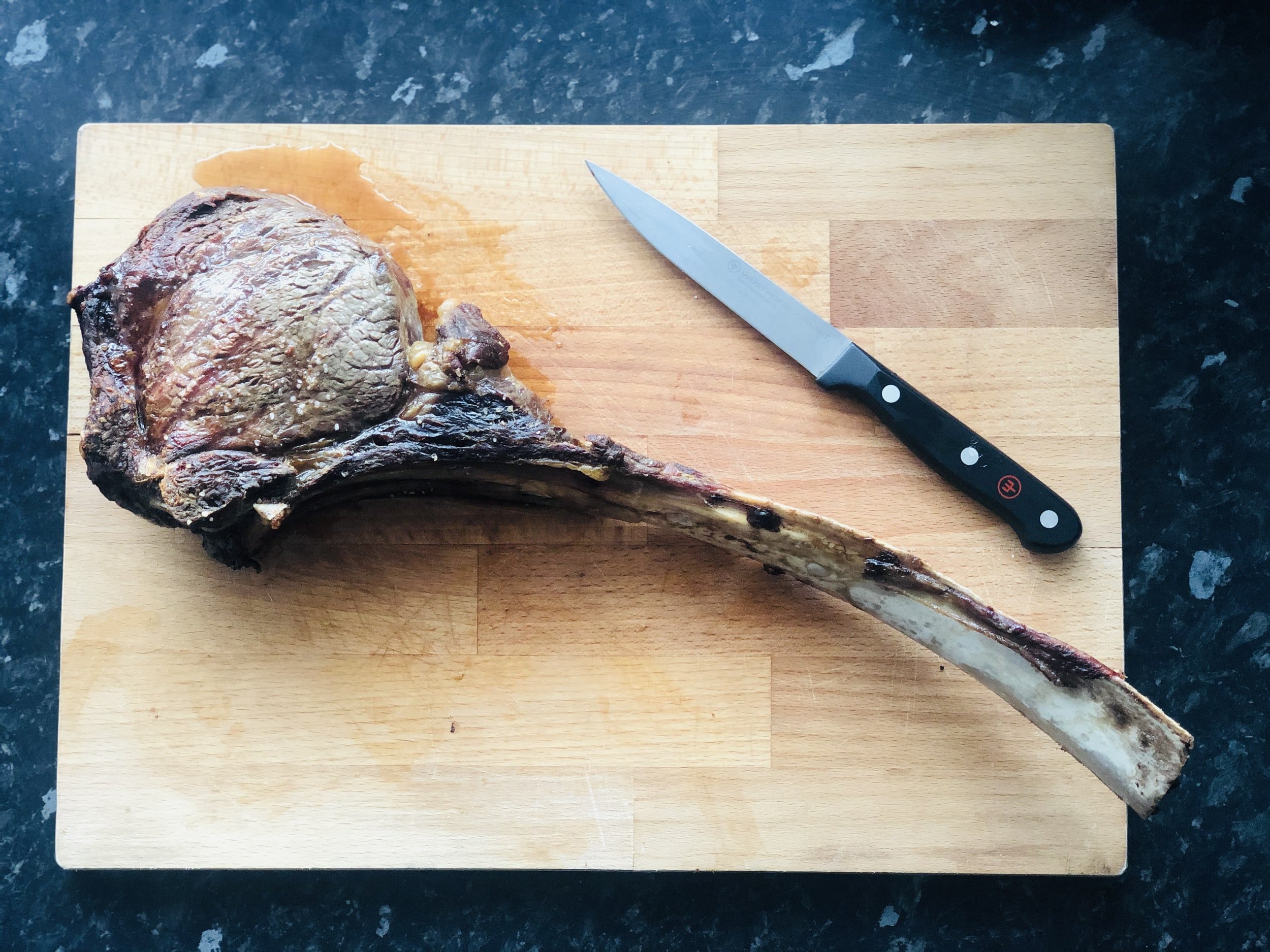
Baffin Island in the Northwest Territories can be downright mean to hunters. It’s cold, windy, and wet. Campfires are a luxury on Baffin. There are no trees, and the only vegetation is lichen and moss. The shoreline is a maze of ankle-twisting rocks. But the caribou hunting more than made up for the aches and pains in my body when I hunted there years ago.

Unfortunately, the recent black bear attack in northern New Jersey and the first fatal bear attack in about 150 years is an example of what happens when people panic and run scared. Perhaps this deadly attack might not have happened if the young hiker had been more knowledgeable about the dangers of encountering a wild animal.
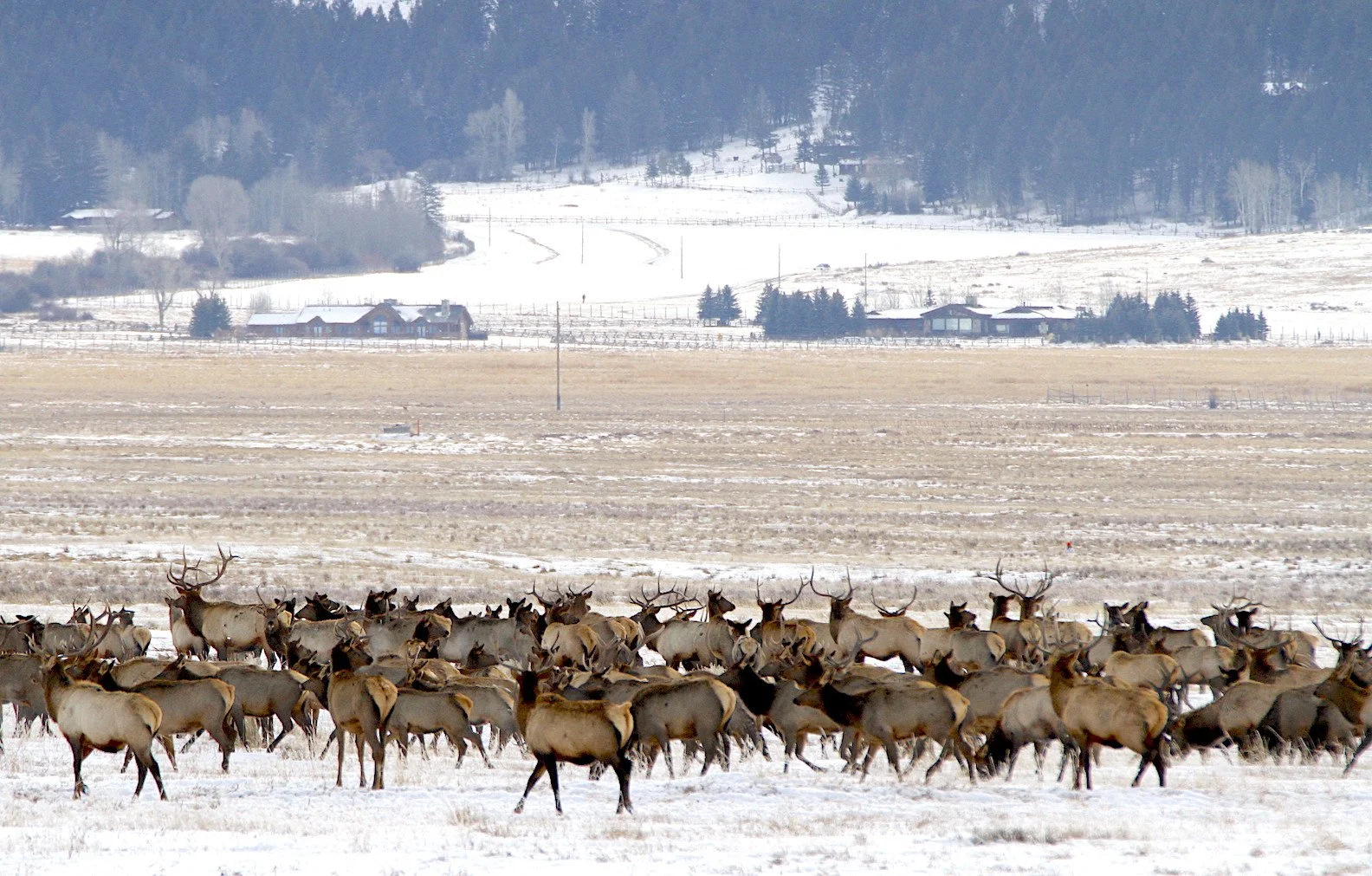
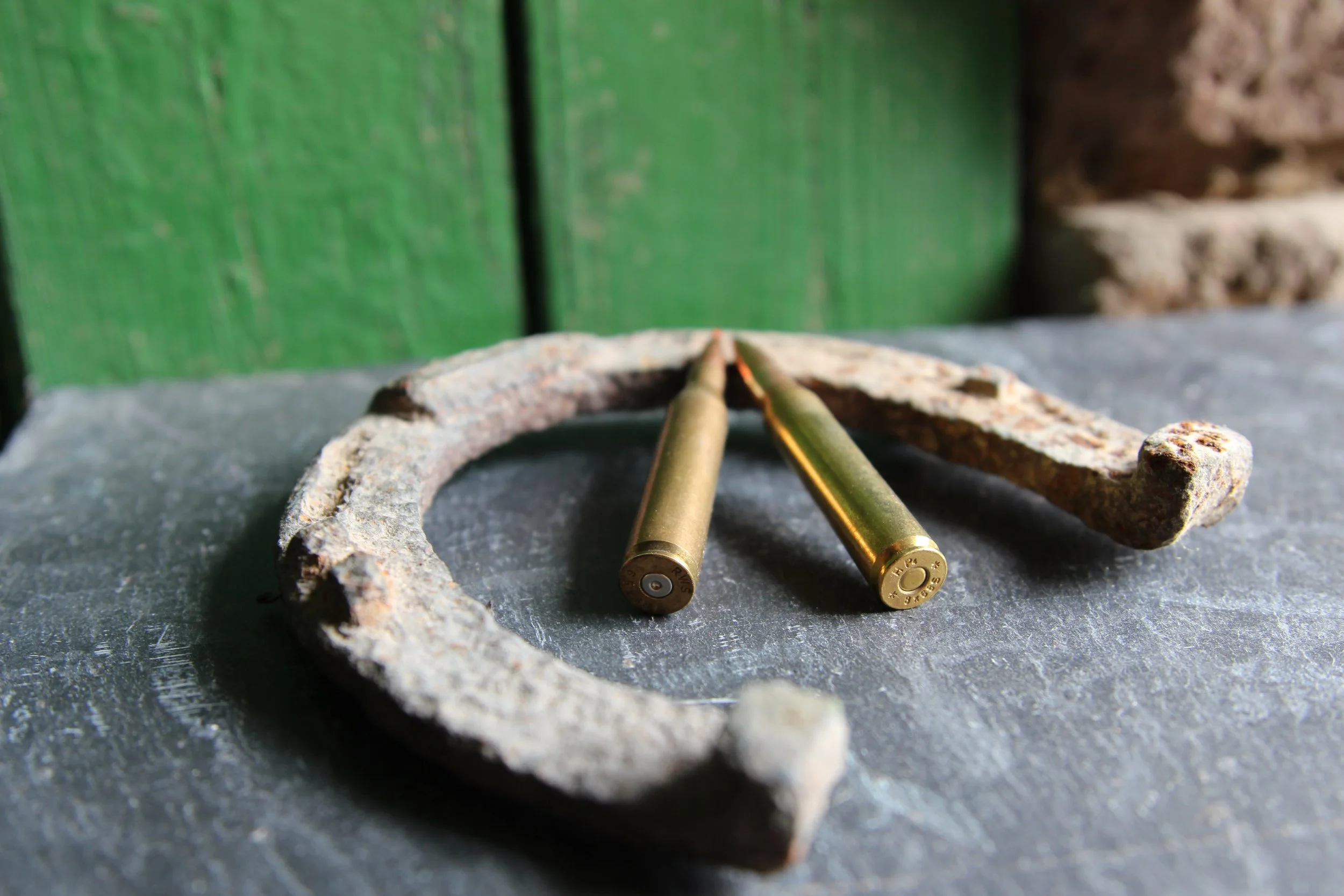

“This was not the way it was supposed to happen. I hit the Cape buffalo squarely in the chest with a .375 Holland & Holland, a cartridge the size of a banana. Nyati was supposed to go down. He didn’t even flinch! In fact, the bull trotted off with his buddies.