

I think I have an incurable knife fetish. I’m not happy unless I have a knife in my pocket. I feel incomplete unless I have a sharp fillet knife in my tackle box when fishing. I always carry a folding knife on my belt and a fixed blade knife in my pack if I’m hunting. Keeping my knives sharp is a year-round job.
Hunting Knives
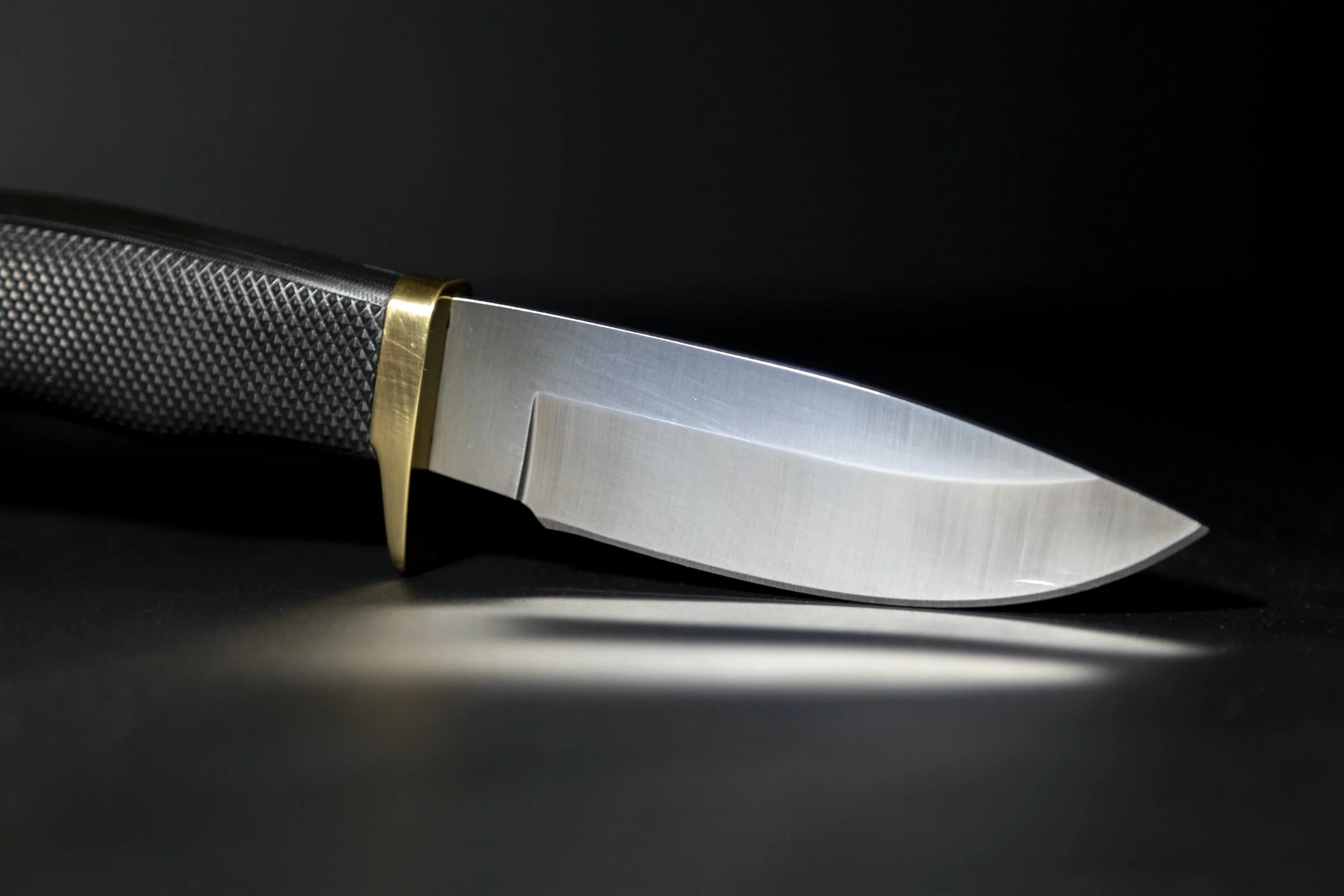
There is, however, an important point of separation. When it comes to fillet knives for fishing, I’m happy with fillet knives that cost about $20. I’ll even settle for stainless steel. Carbon steel blades may be easier to sharpen, but they will rust and require more care than stainless steel. There are also a few features to look for when buying a fillet knife. If you’re a freshwater fisherman and catch more crappies than 10-pound bass, you don’t need a fillet knife with a blade longer than 6 inches. My old L.L. Bean trout knife has a 4-inch blade. For fluke and bigger saltwater fishing, but with a blade that measures 7 or 9 inches.
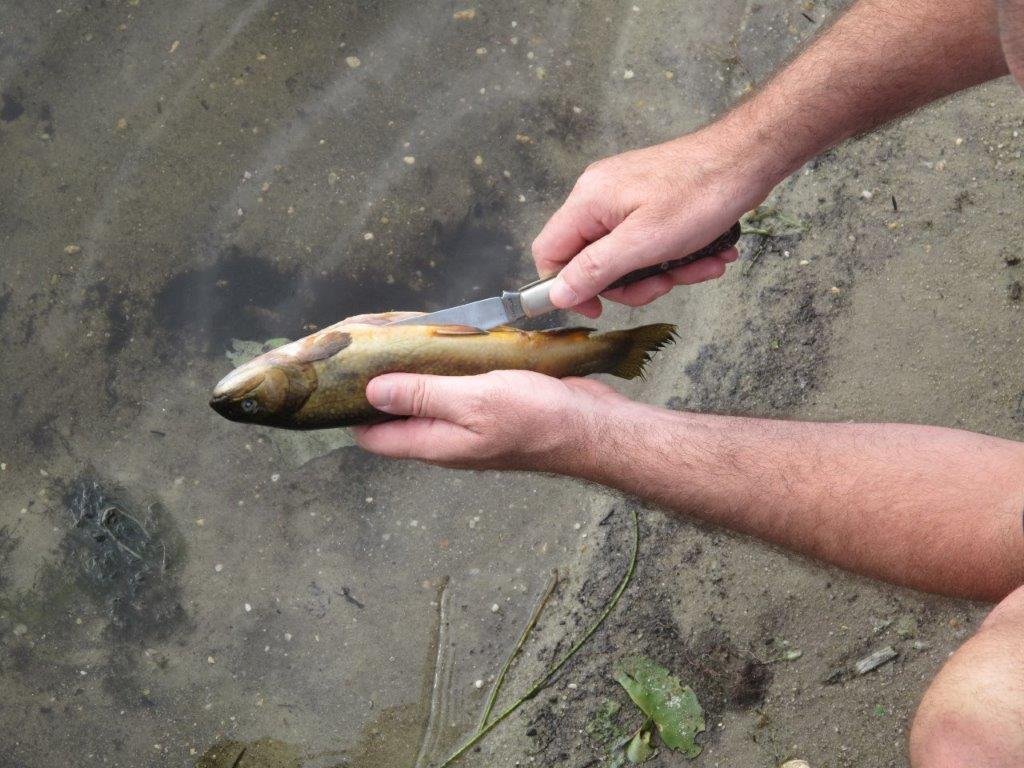
The handles are sometimes just as important as the blades with fillet knives. Avoid those slippery smooth handles. Pick one with non-slip rubber or plastic handles. When filleting any fish, take the fillets off with long sweeping slices. Short cuts will only show ugly hack marks on the fillets. More about that later when I get to Japanese knives.
I can get serious when I get to my hunting knives, and I’m not alone. You only have to thumb through the pages of Sporting Classics magazine to see there’s a bunch of custom knife makers ready to build a knife that will become a family heirloom. But you don’t need to go the custom route to get a good-grade hunting knife. To name a few, Buck, LL Bean, and Benchmark range from $100 to $150 and will last a lifetime. There is no need for a hunting knife with a blade longer than 5 inches. There are also many blade designs. My choice is a blade with a drop point design. My hunting knives are custom Morseth designs. None of them have blades longer than 5 inches. I dressed out dozens of deer with 4 or 5-inch blades. Show up at deer camp with a big 8 or 10-inch blade knife on your belt, and the old hunters in camp will know you’re still learning.
Cooking Knives
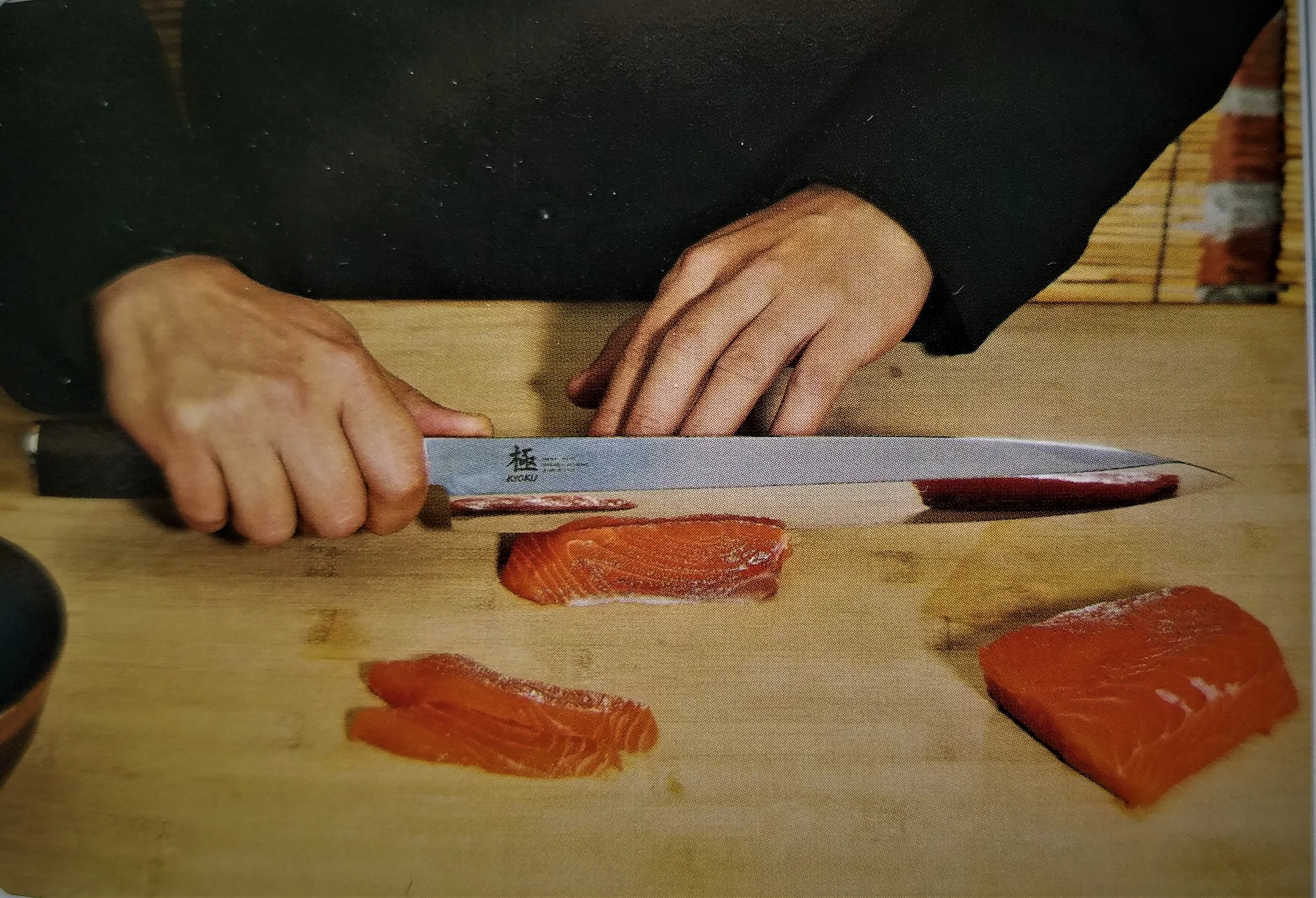
My 10.5 inch High Carbon Japanese Steel Yanagiba knife I use to slice sushi and sashimi.
Of late, my knife fetish has progressed to the kitchen. I like sushi and sashimi, which I assume most of my readers know is raw fish. The best fish for sushi and sashimi are tuna and salmon, though I’ve had fluke, mackerel, octopus, and a few others -- dipped in a mixture of soy sauce and wasabi, sushi is a culinary delight. You can also try Crudo, an Italian version of sushi; substitute the soy sauce and wasabi with a mixture of lemon juice, olive oil, and seasonings. What does all of this have to do with knives? A lot!
Preparing fish for sushi requires that the fish be sliced wafer-thin, which requires a very sharp knife with a long blade. Remember what I said about filleting fish with long sweeping slices and that short cuts will only show ugly hack marks on the fillet. This is doubly important when slicing fish for sushi. For years, I used my fillet knives for preparing sushi until I discovered the unique world of Japanese knives. And the various designs.
I picked the Yanagiba knife -- a 10.5 inch High Carbon Japanese Steel blade. Kyoku makes it, and I paid $48 for the knife. It arrived razor-sharp, and I use it for nothing else except slicing raw fish for sushi and sashimi. I’m convinced that the easiest way to dull a sharp knife is to use it to chop food on a glass cutting board. My advice is don’t chop when you can slice and only use a wood cutting board. Yes, I know wood holds bacteria. So take the time to wash the wood board thoroughly.
Even the best knives will eventually get dull. It’s easy to put a razor edge on carbon steel with a whetstone. A good whetstone will last a lifetime with some care. Never use it dry. After you sharpen your knife, apply more oil and wipe it clean. Oil floats steel particles about the surface, so they will not clog the stone. Use a Washita stone. It is essential that you maintain the same-degree angle between the back of the blade as you draw the blade across the stone as if you were taking a slice off the top. If you find this difficult, buy one of the knife sharpening devices available today. They will do the job for you.
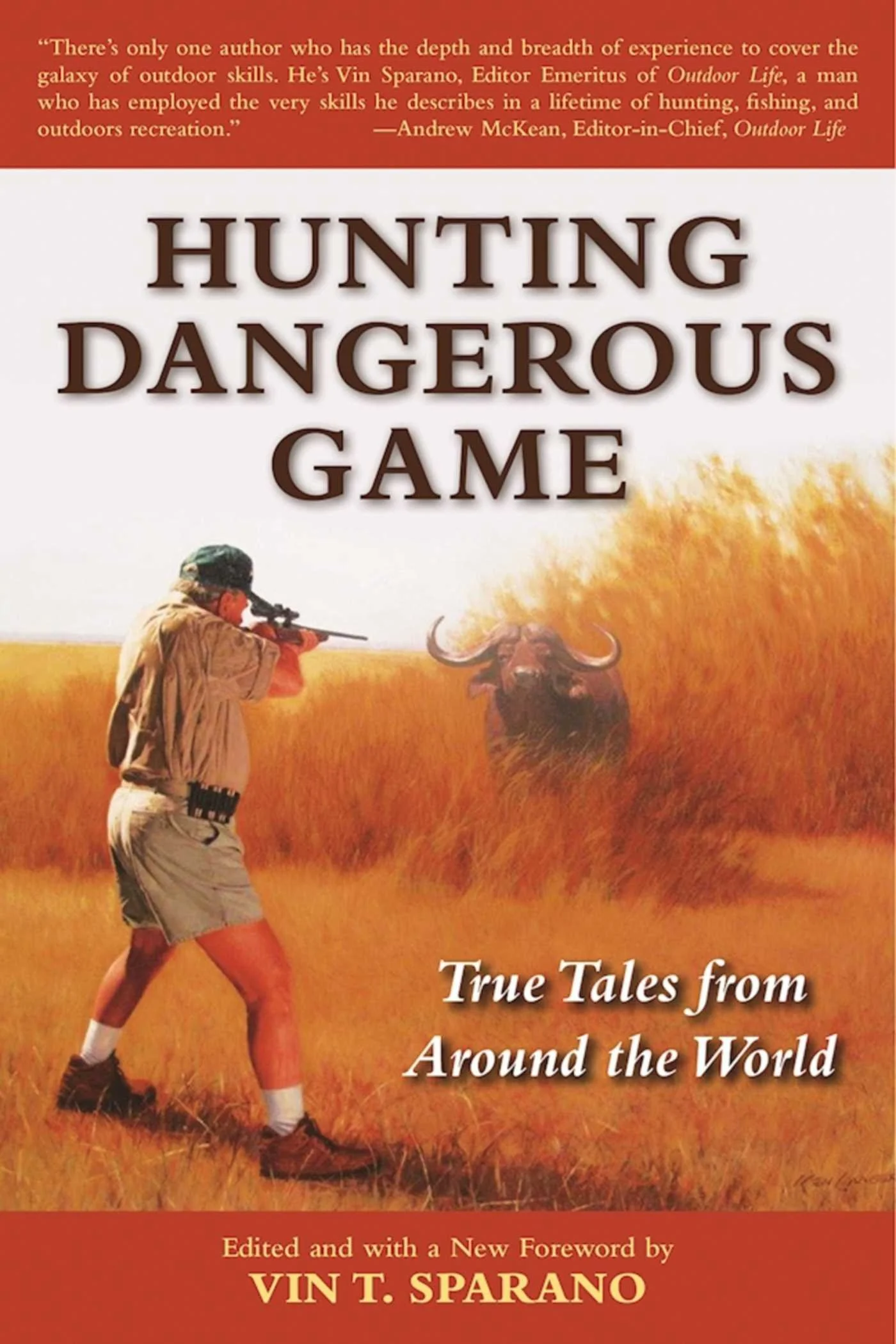
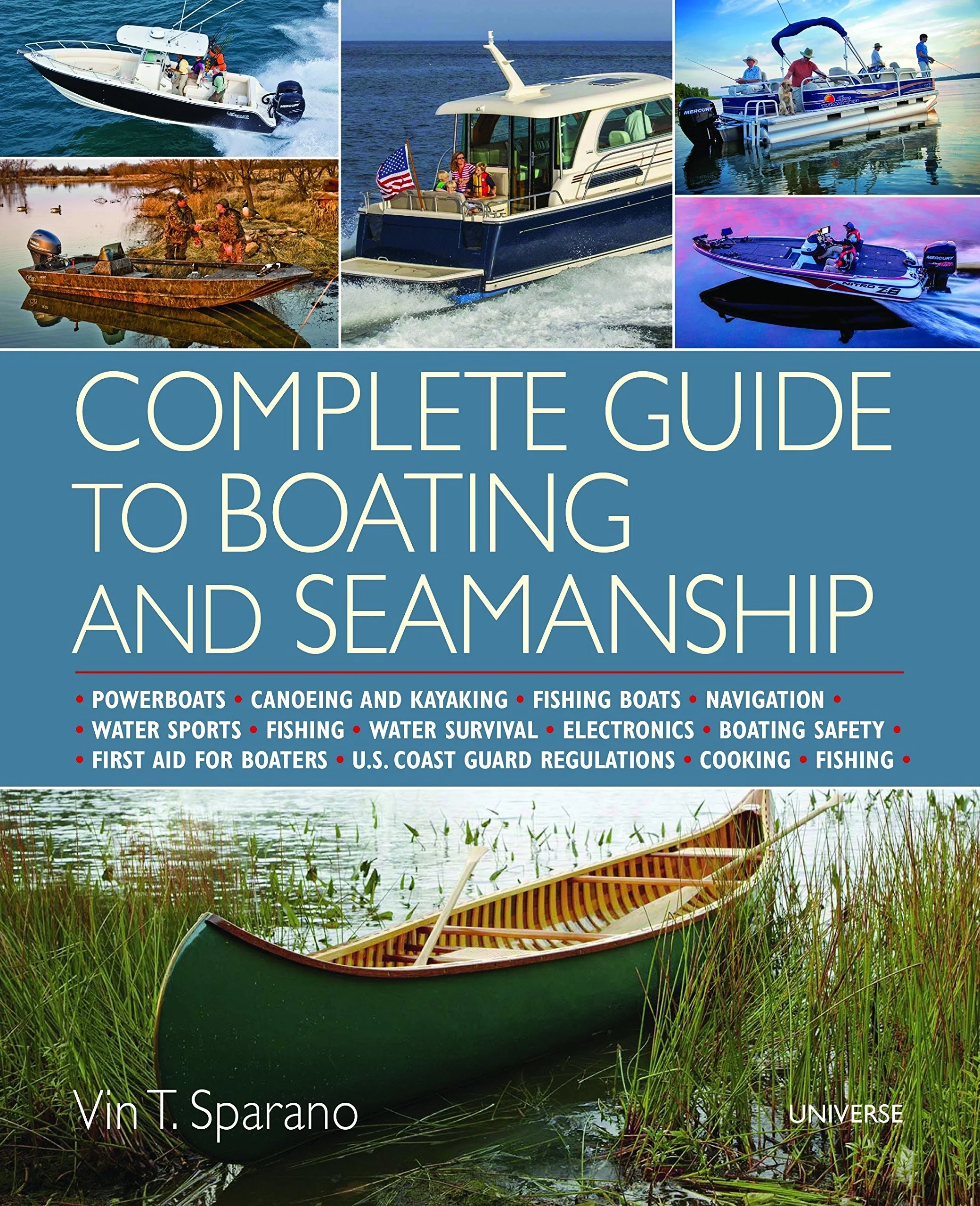
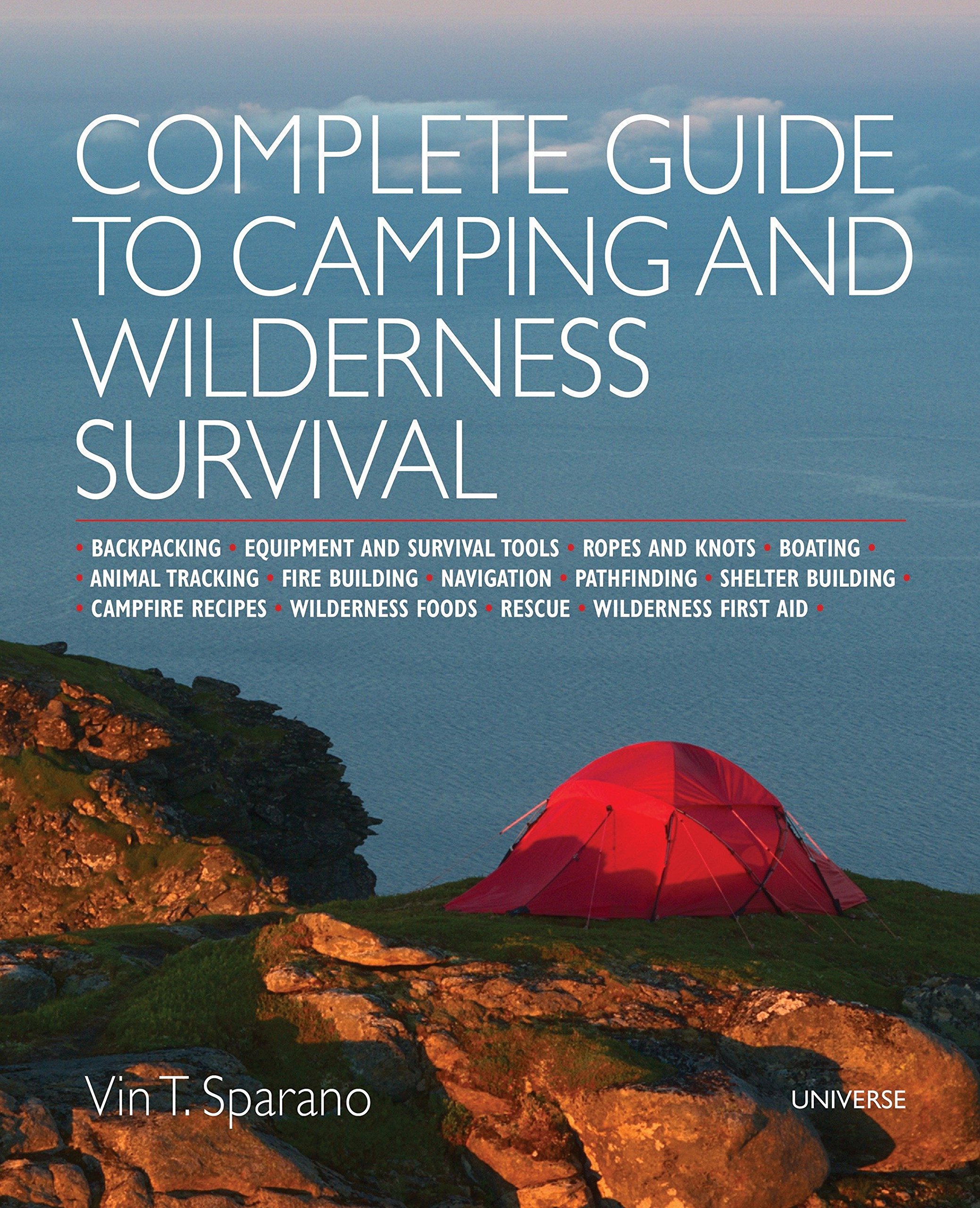
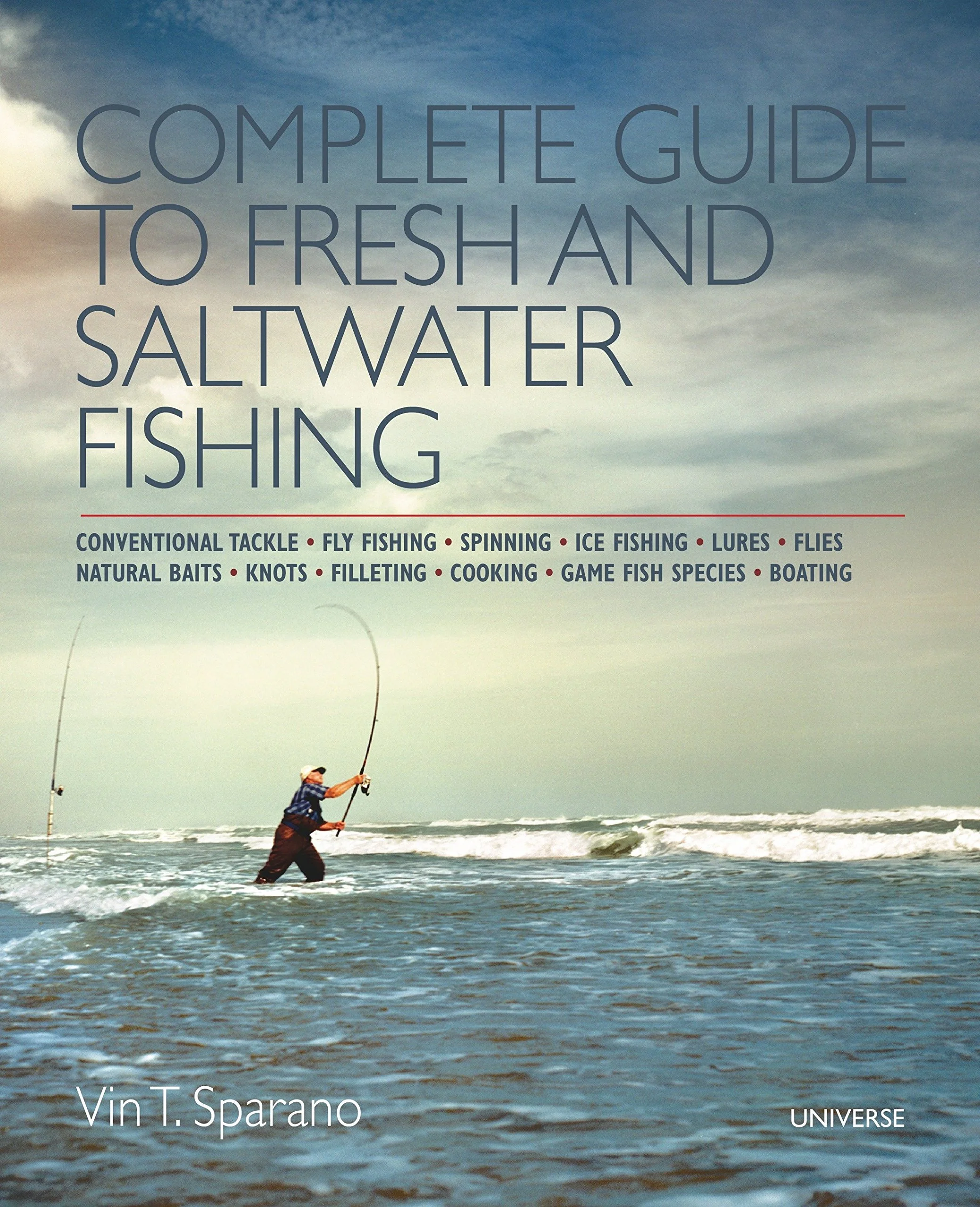
Check Out Vin T. Sparano’s Books





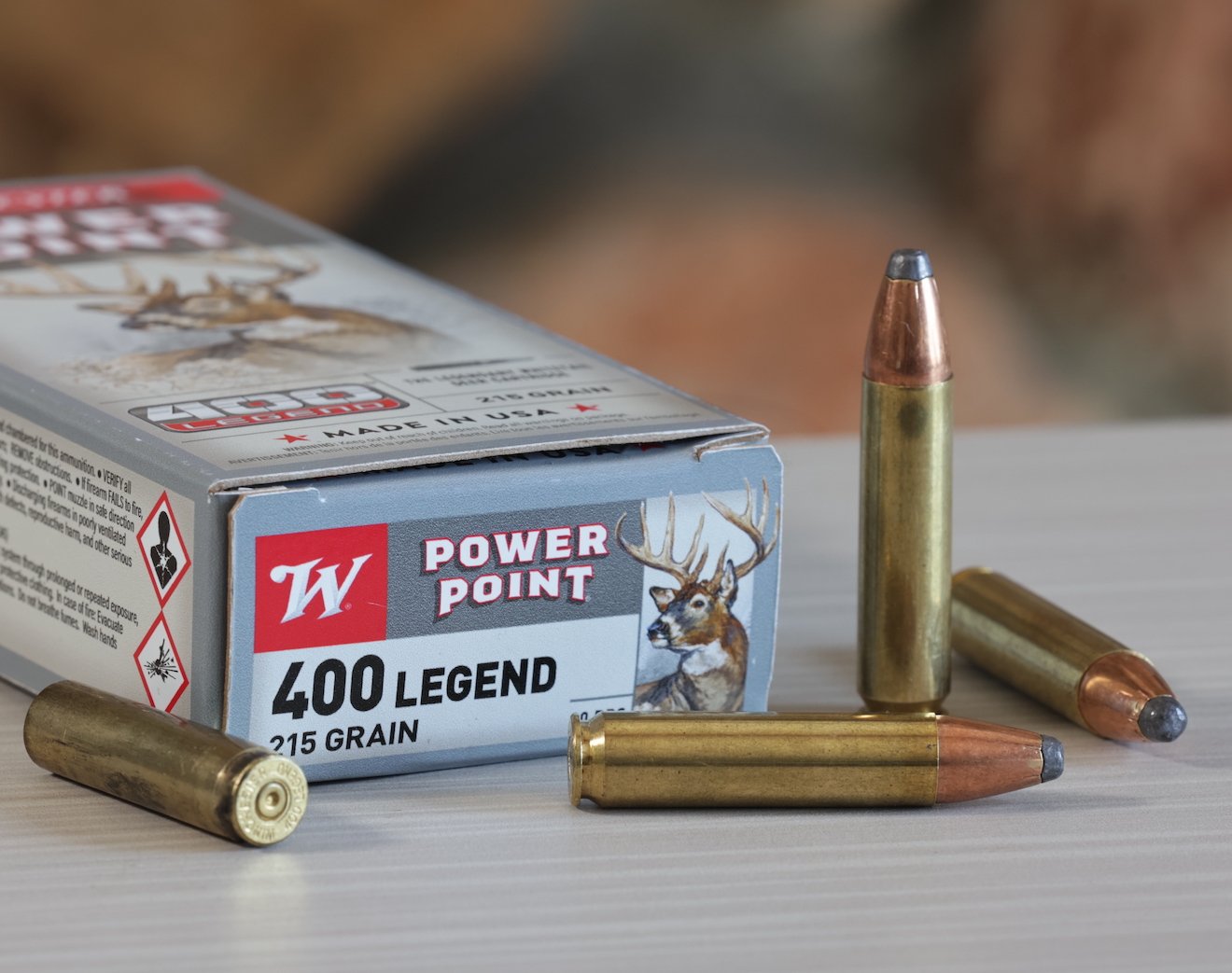
The new Winchester 400 Legend straight wall cartridge matches 30-30 Winchester performance but is legal in straight wall cartridge states.

Stalking cape buffalo on the naked plains of Mozambique’s Zambezi Delta leads to food for local villagers and more wildlife across the hunting block.
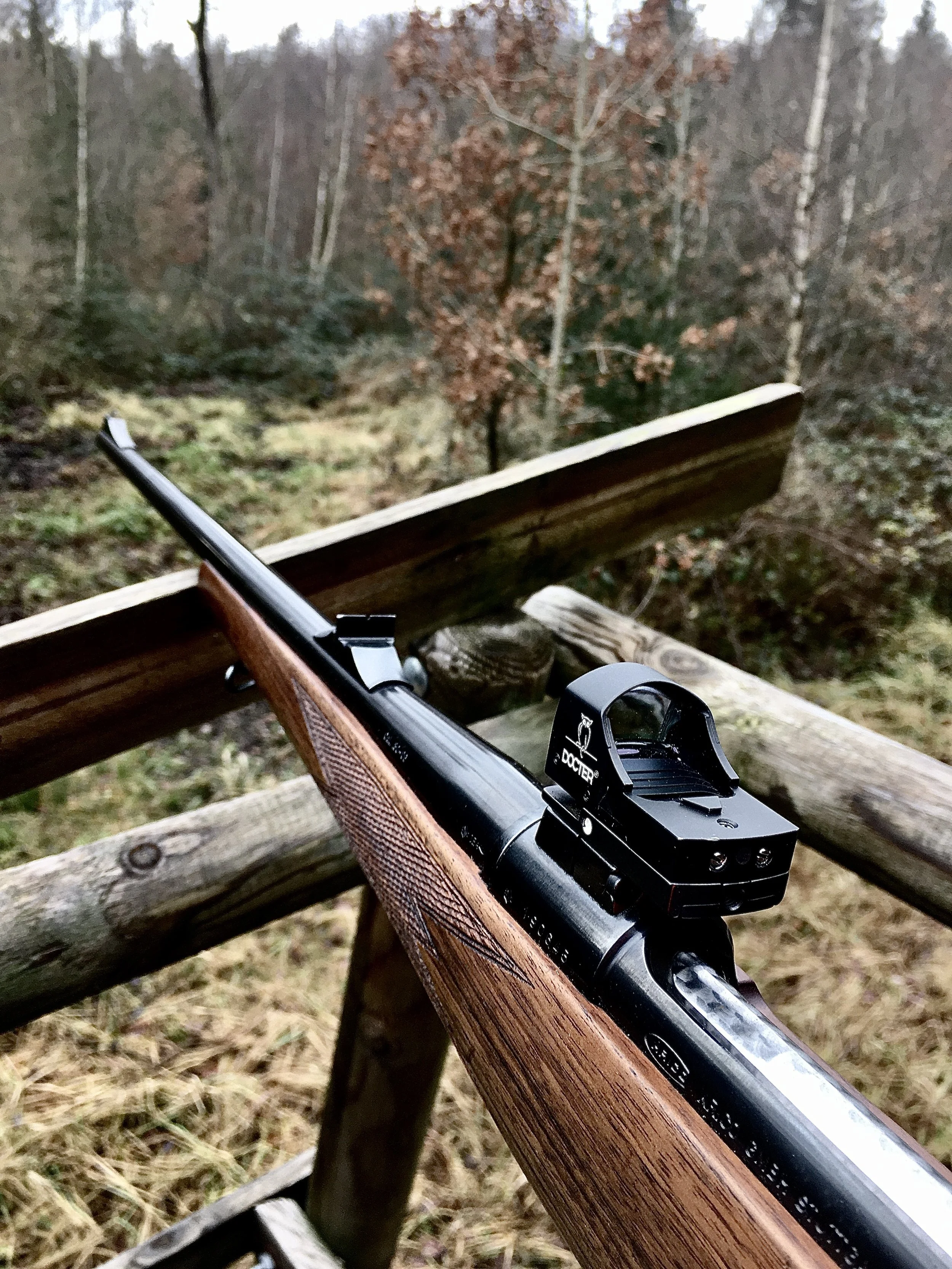
Being as stealthy as possible while moving through hunting grounds is essential. If you're still trying to hunt through potential bedding areas, closing in on game you spotted from afar, trying to sneak to your tree stand for a sit, or you're tracking bucks as they do in New England, every noise you make is too much.
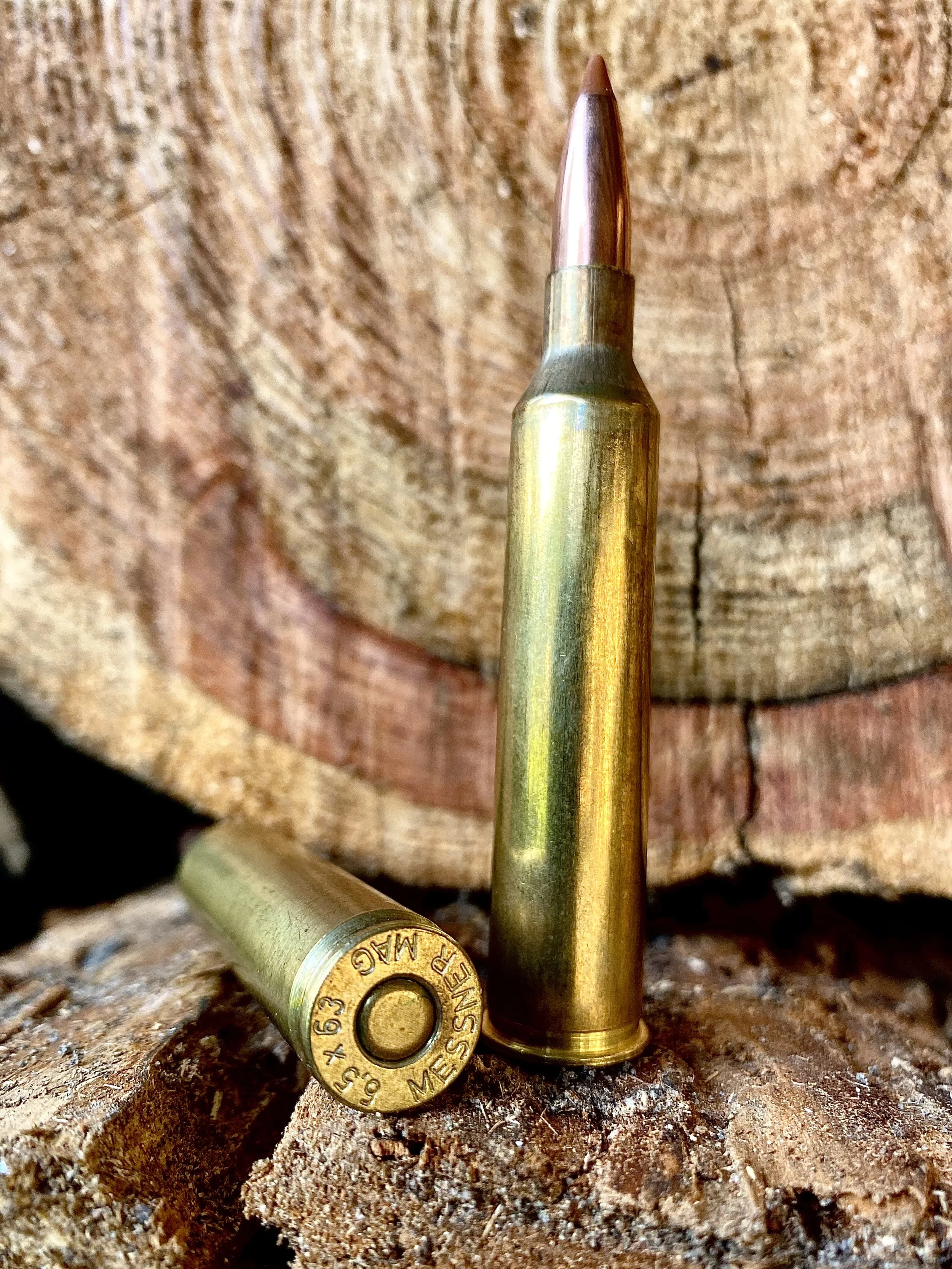
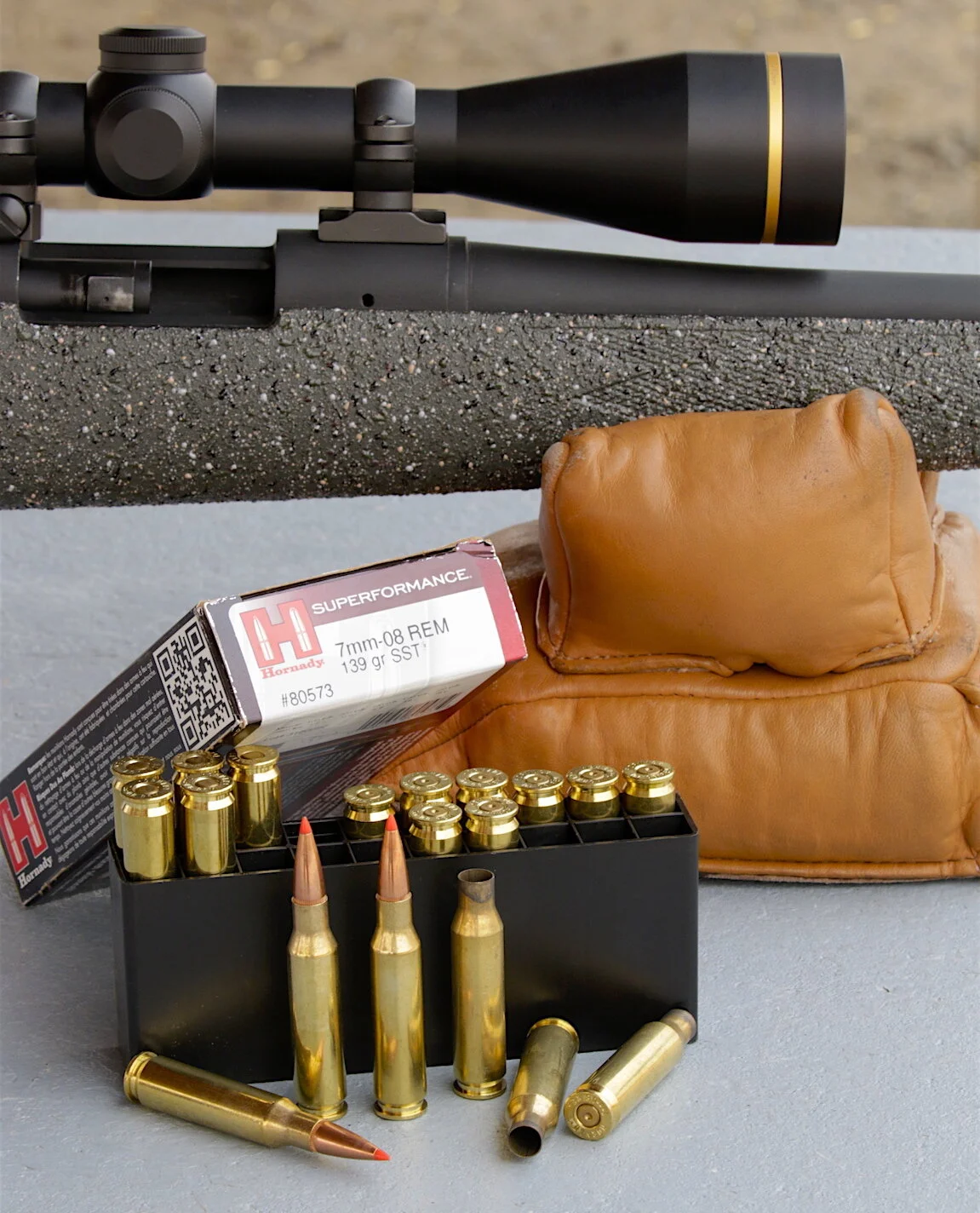
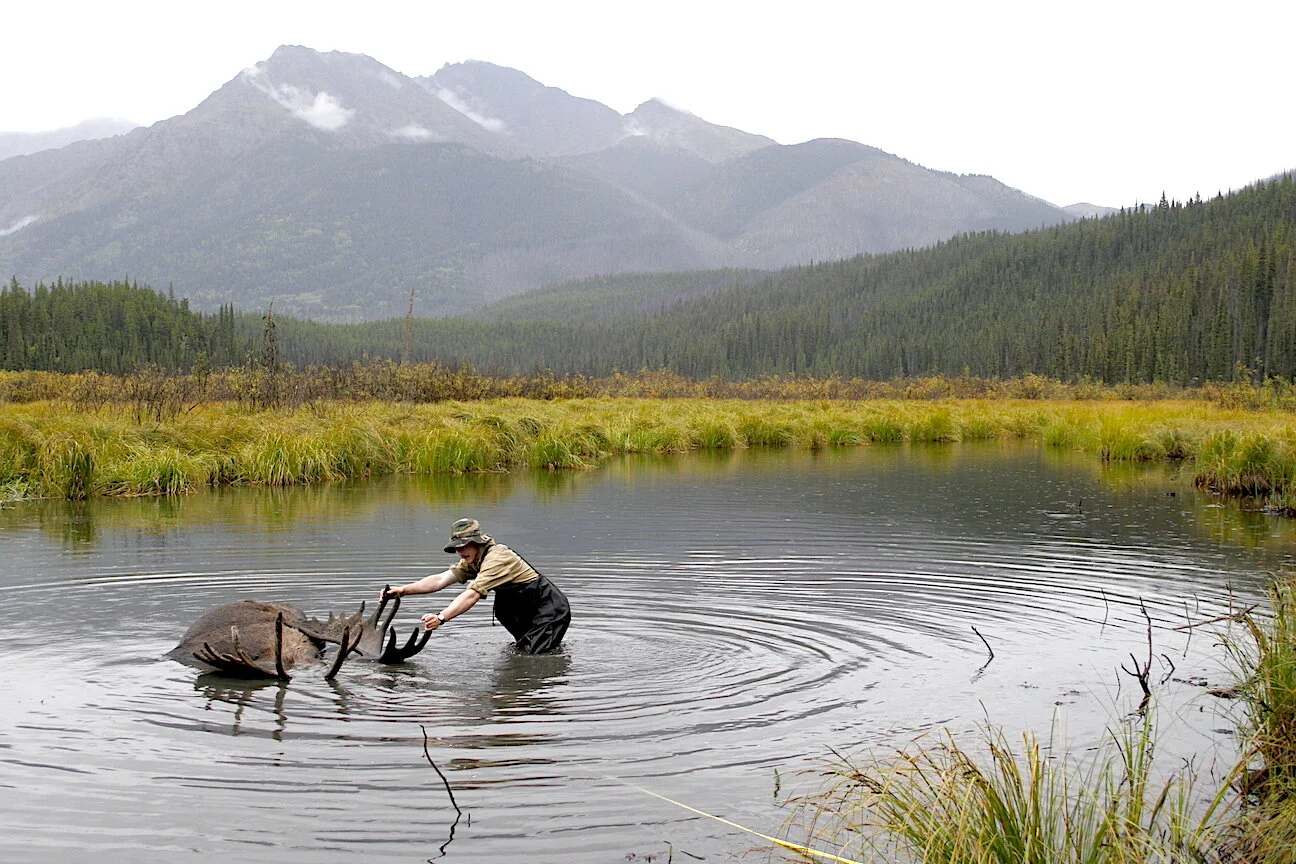
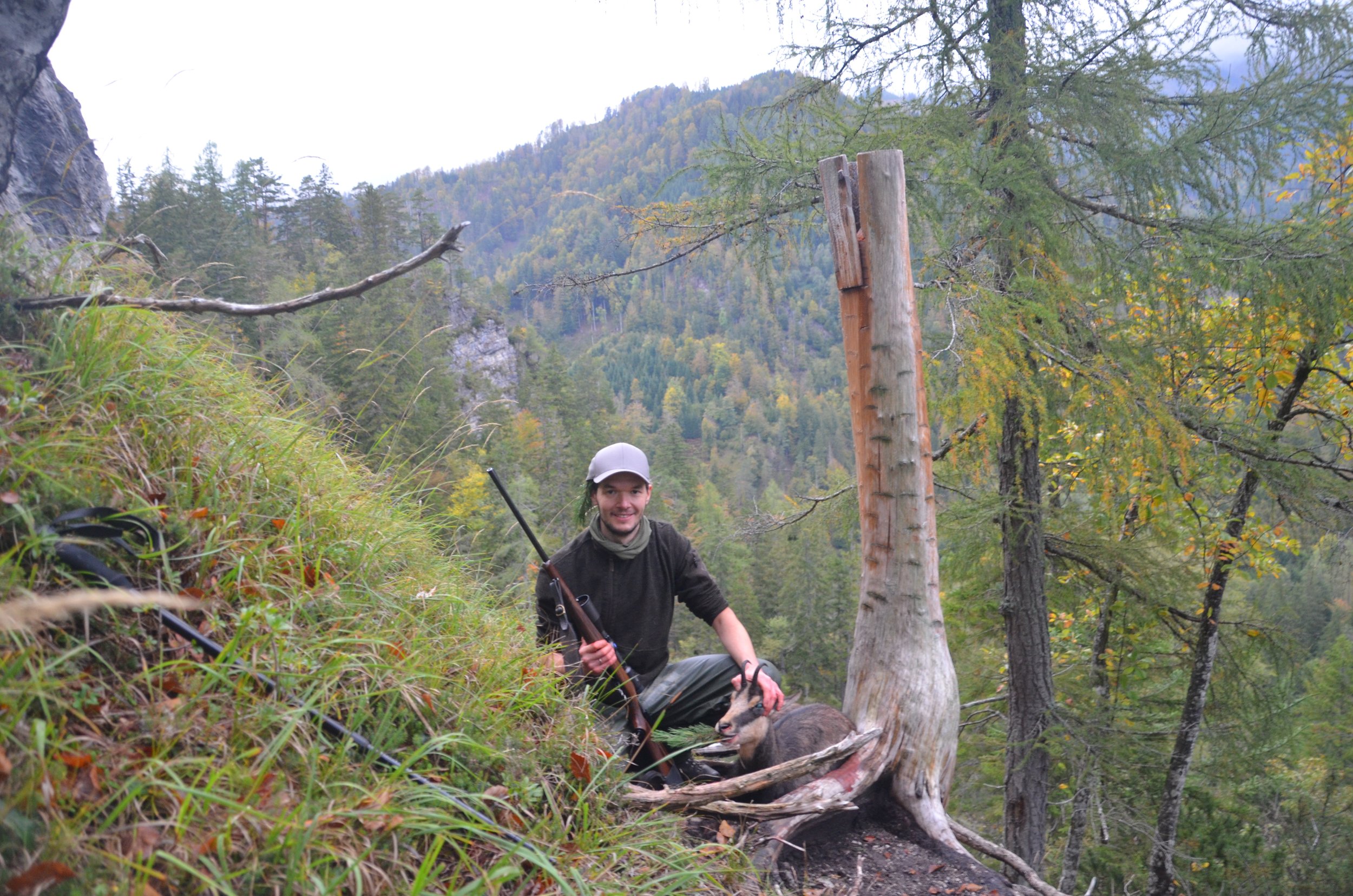

They start from the base, rising with bumps, bruises, and little rings. At last, they turn back, bending to form a bow. With their thick bases, a pair of them sits atop a white face with dark, lengthwise stripes. Every European mountain hunter dreams of this trophy -- the horns of a chamois.
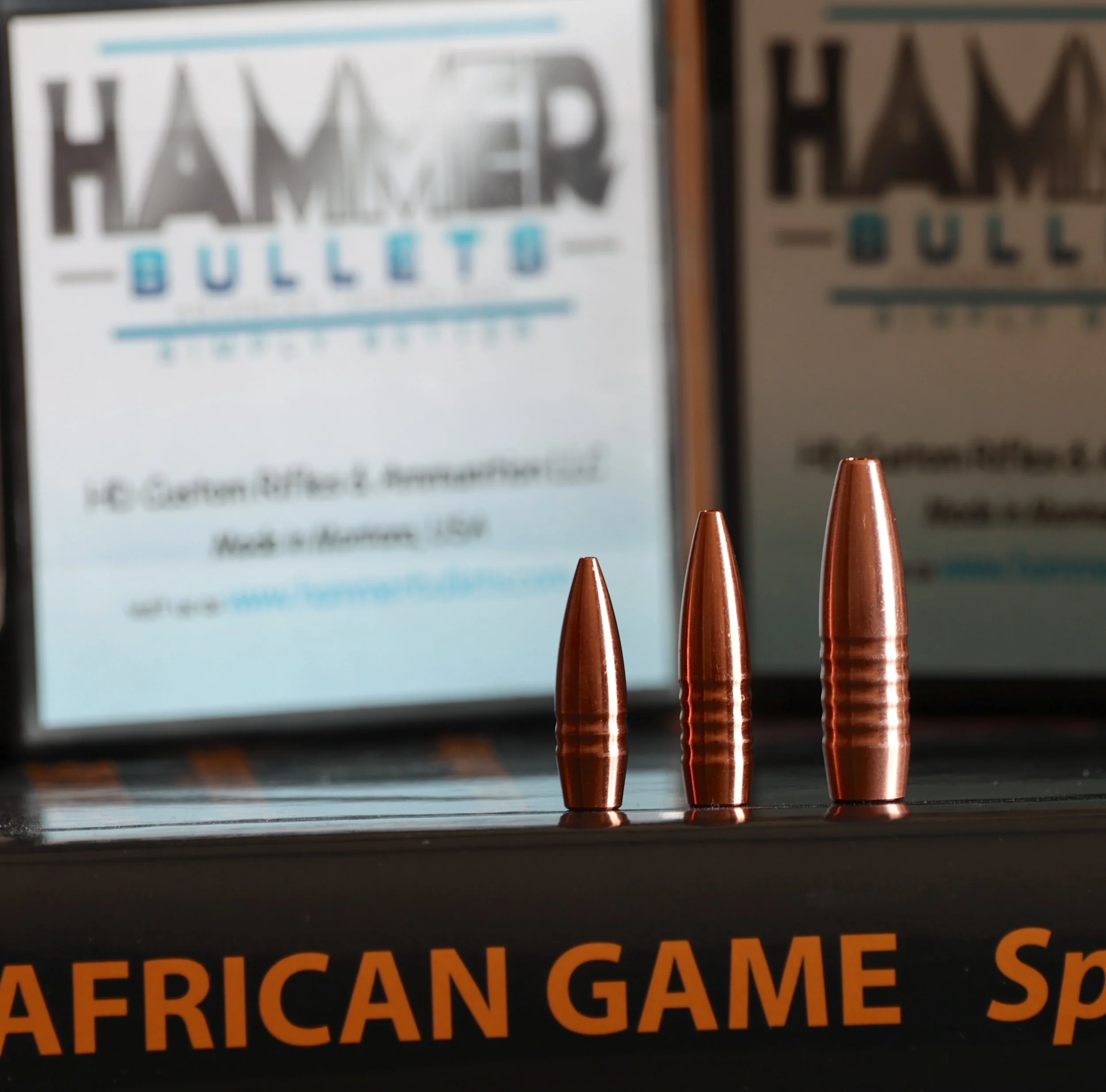
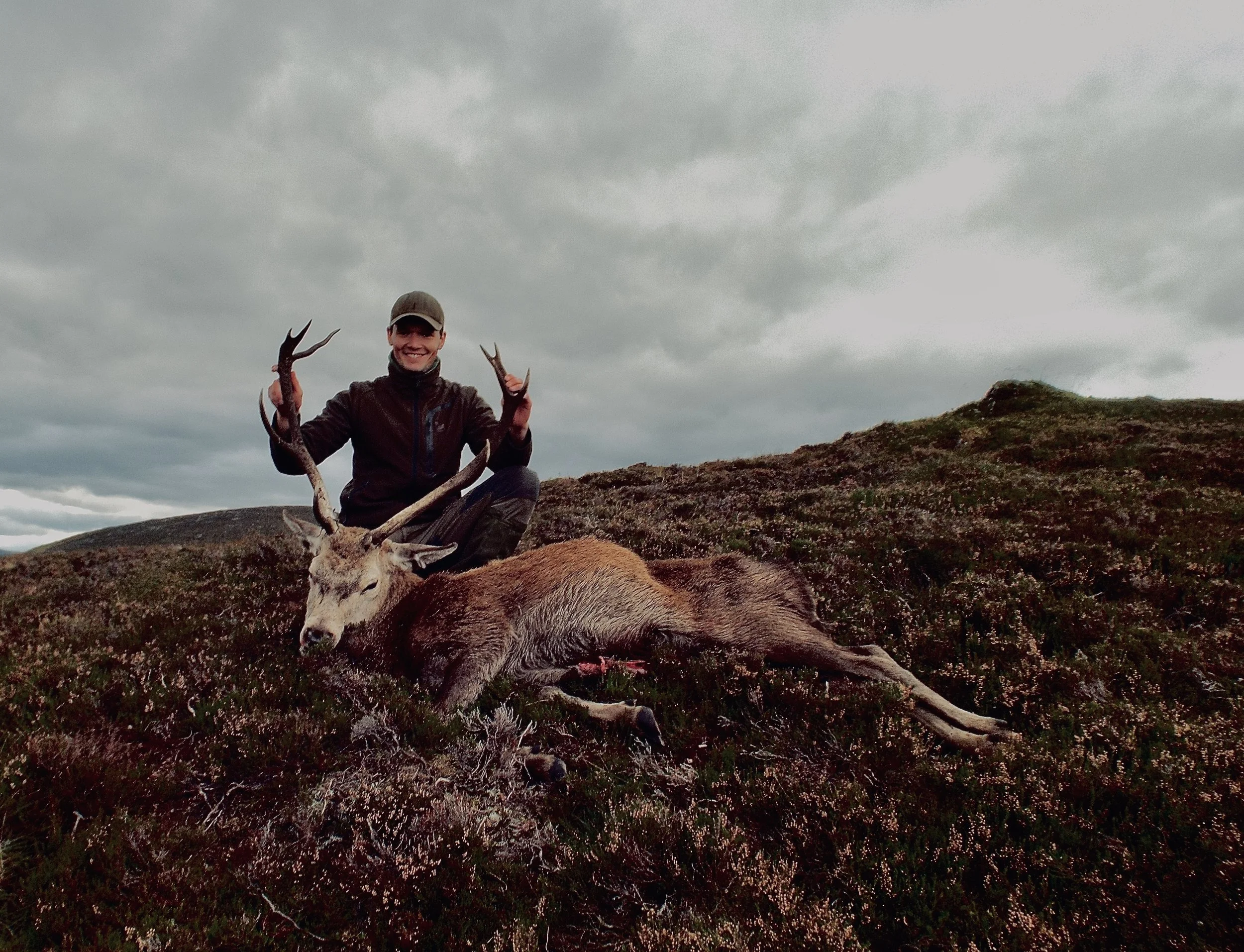

If the average American hunter heads out for a big game hunt, chances are he’s relying on the .30-06 Springfield to get some meat on the ground. Why? Well, because the ought-six has proven time and time again that it gets the job done -- reliably and repeatedly.
If his European counterpart picks his do-it-all rifle, he’ll choose the 8mm Mauser rifle every time.
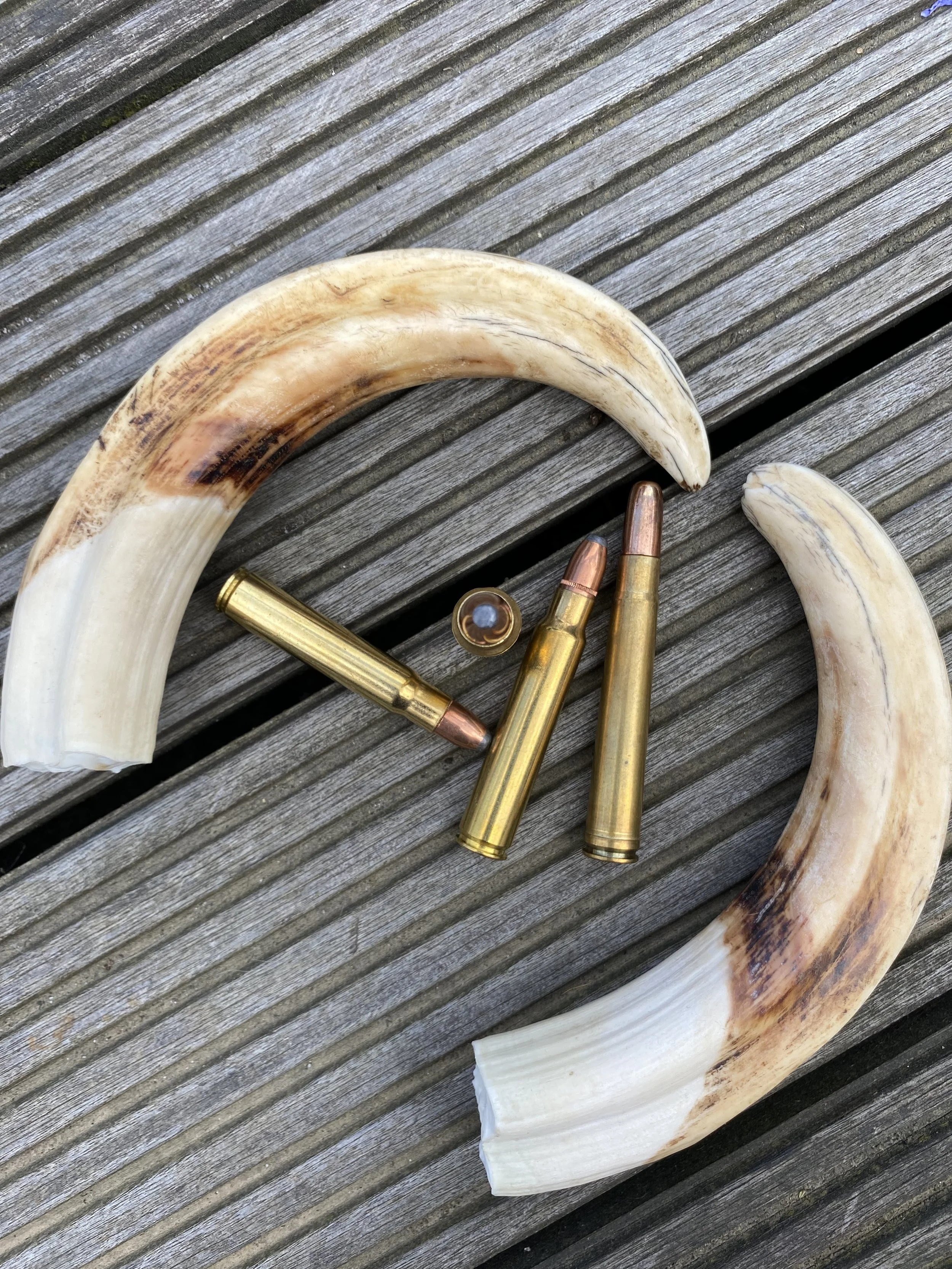
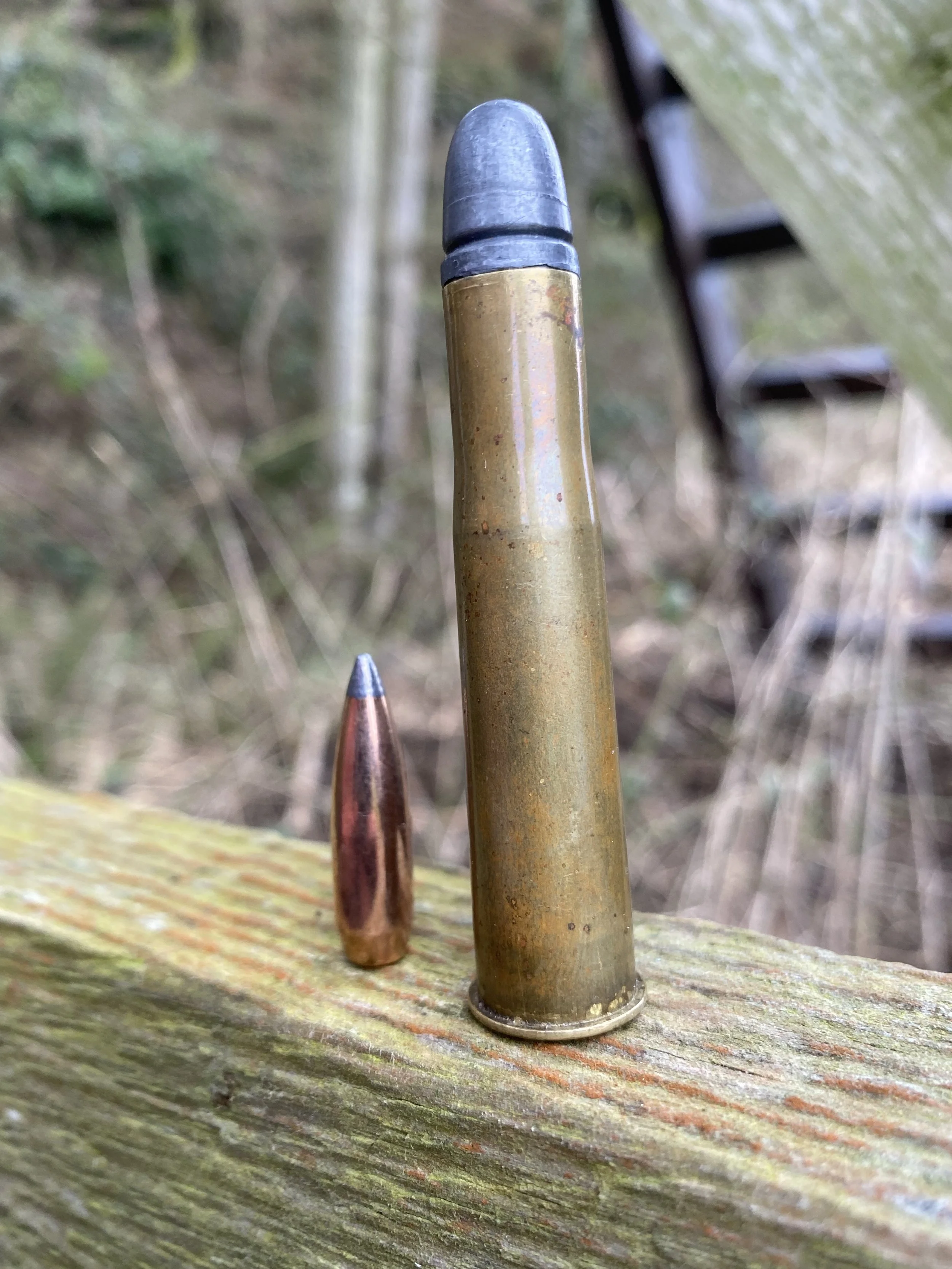
Since its introduction in 1912, the venerable .375 Holland & Holland has been the benchmark for all medium-bore cartridges. Its caliber is the minimum for dangerous game hunting in many African jurisdictions, and with adequate bullets, it’s a sensible choice even for elephant hunting.

Zeroing a traditional 30-30 load at 160-yards maximizes point blank range, but a 50-yard zero might be more effective in tight cover where shots are no farther than 120 yards. Sight-in high at 100 yards for most versatility.
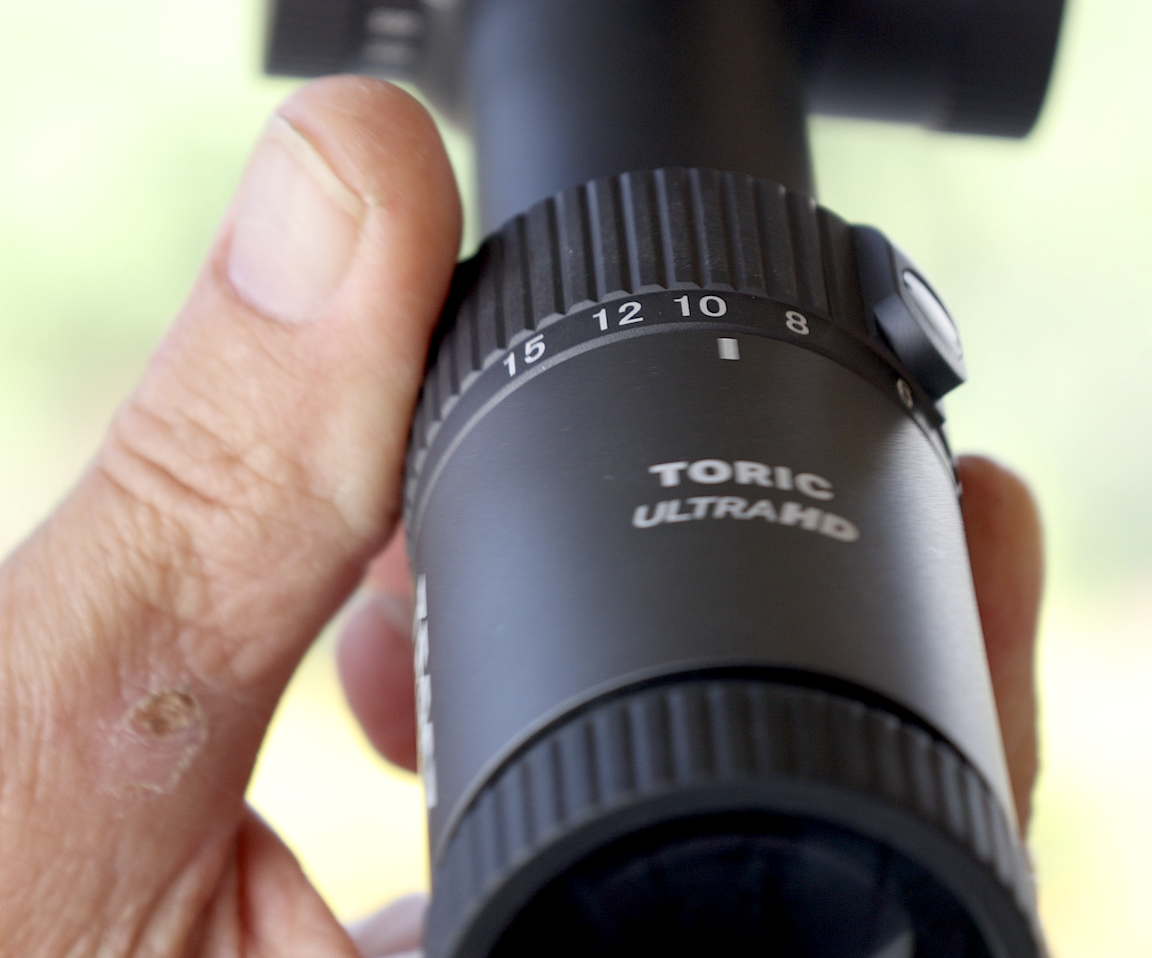
Tract Toric Ultra HD 2.5-15x44 FFP MOA scope earns 5 Stars. Sharp, bright, high contrast, precise, repeatable.


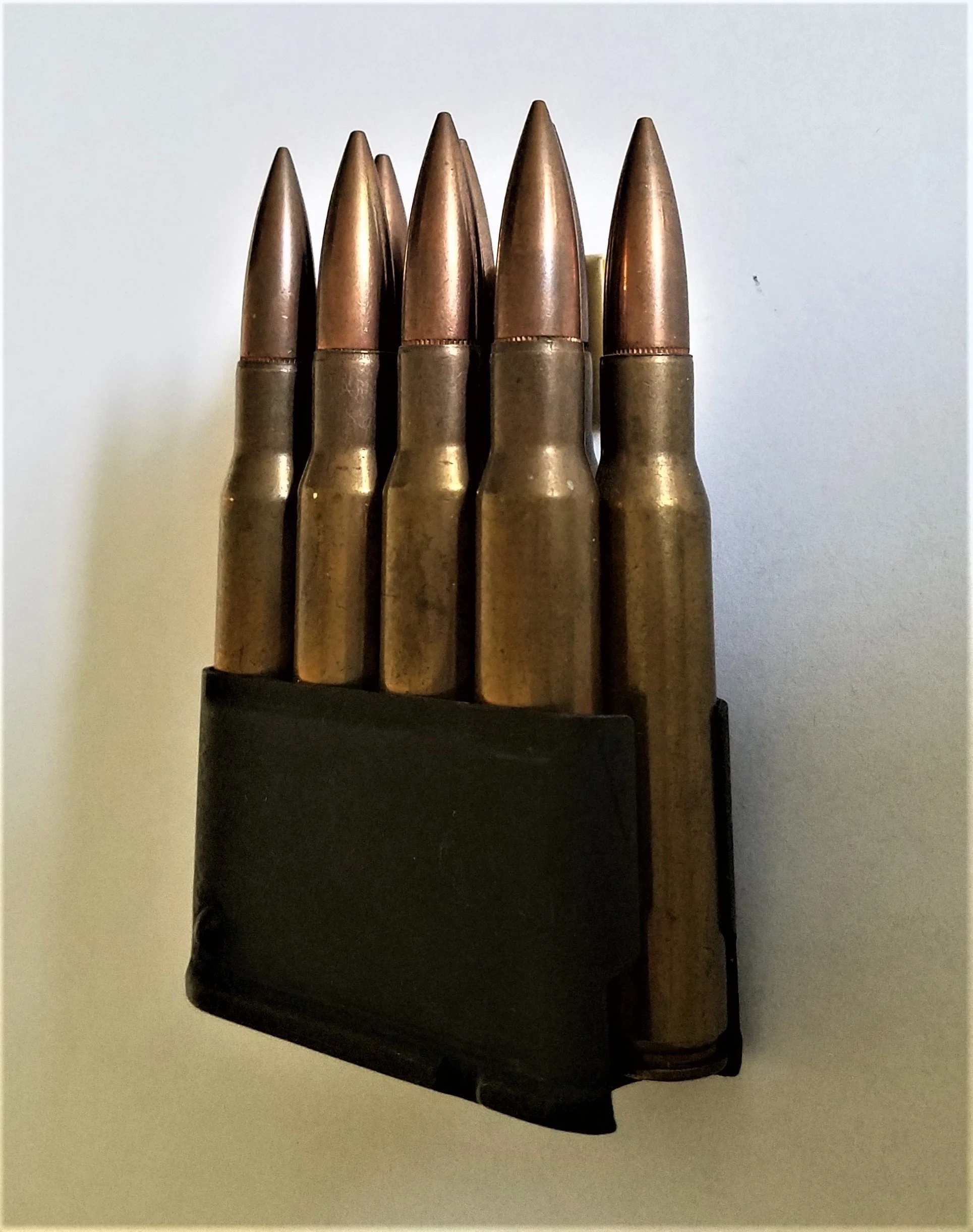
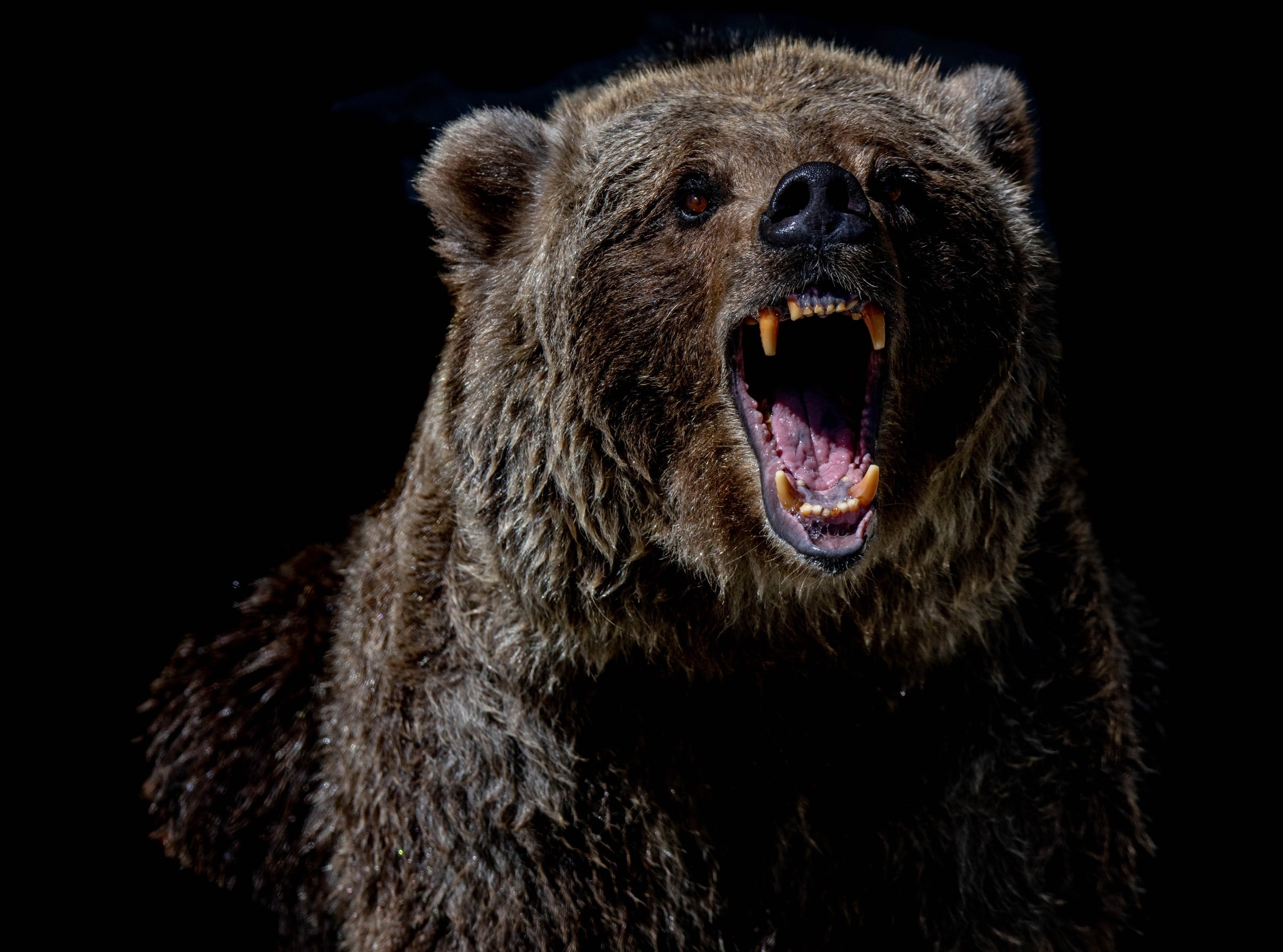
“Find me a good flapping scalp story,” I’d say to the Outdoor Life editors at many of our staff meetings. I meant, of course, a good bear tale where a grizzly or Alaska brown bear got the upper hand and chewed off the hunter’s scalp. During my tenure at Outdoor Life, I learned very quickly that our readers had a true love affair with bears, especially rogue grizzlies.
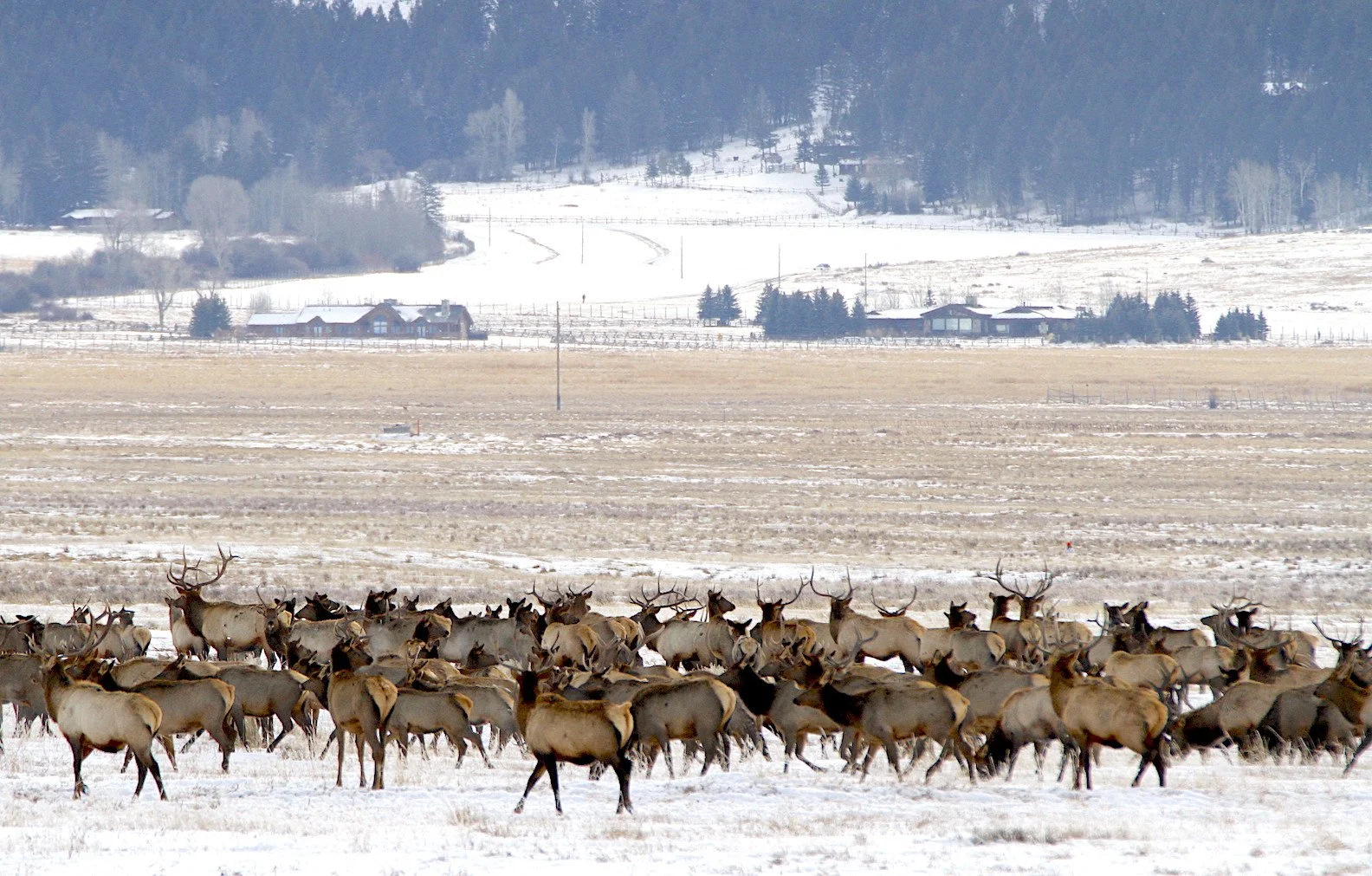
Baffin Island in the Northwest Territories can be downright mean to hunters. It’s cold, windy, and wet. Campfires are a luxury on Baffin. There are no trees, and the only vegetation is lichen and moss. The shoreline is a maze of ankle-twisting rocks. But the caribou hunting more than made up for the aches and pains in my body when I hunted there years ago.

Unfortunately, the recent black bear attack in northern New Jersey and the first fatal bear attack in about 150 years is an example of what happens when people panic and run scared. Perhaps this deadly attack might not have happened if the young hiker had been more knowledgeable about the dangers of encountering a wild animal.
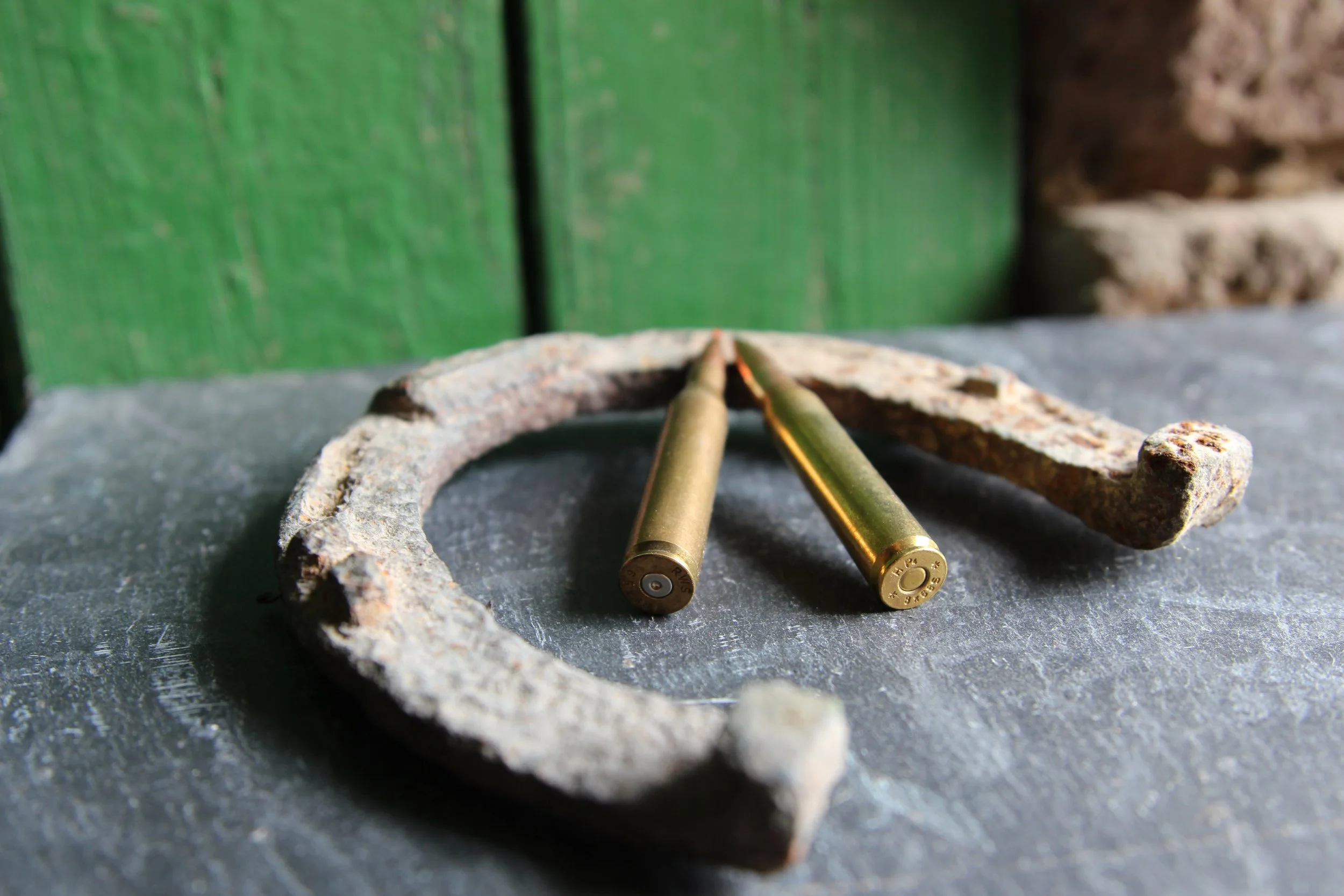

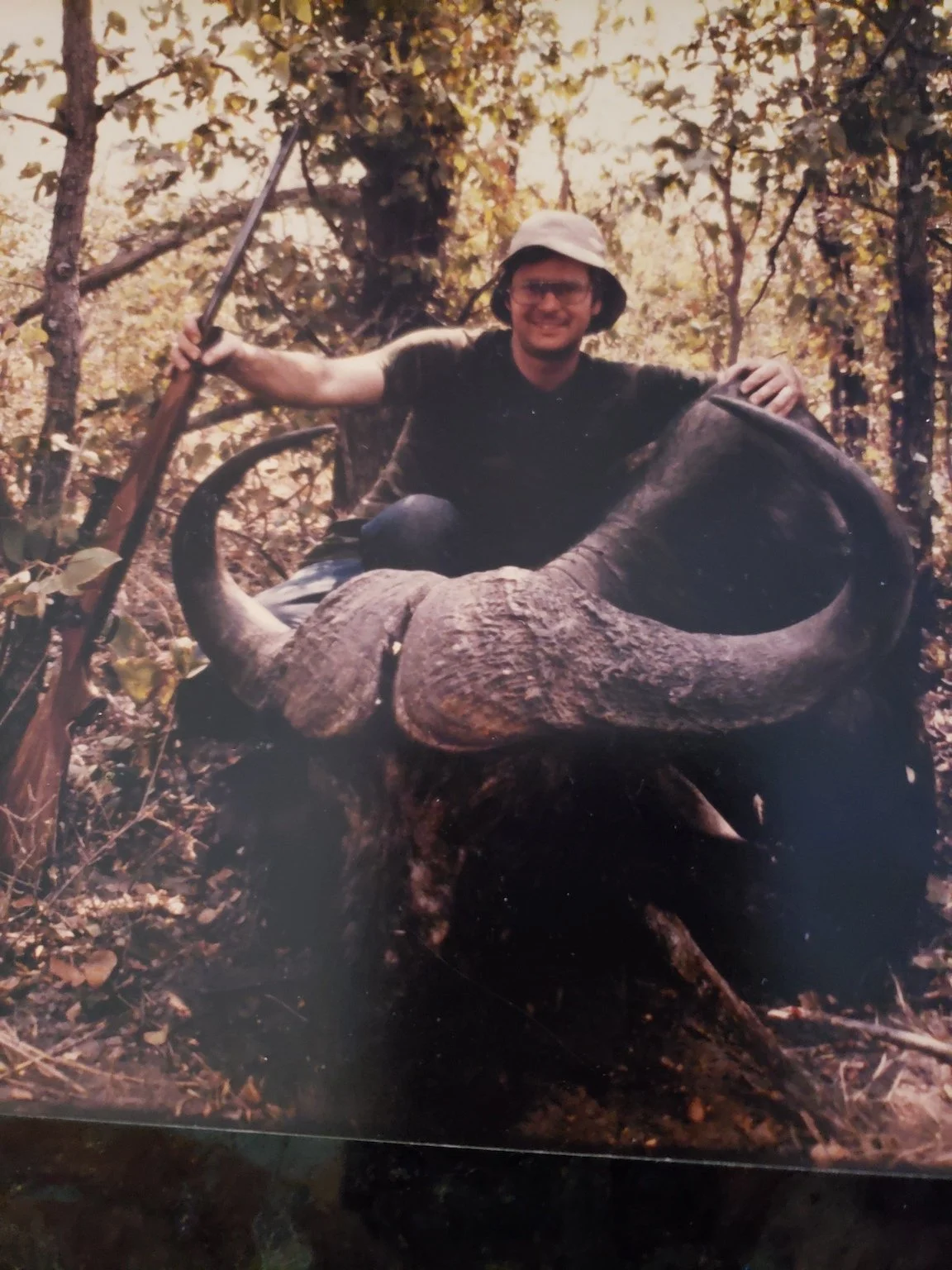
“This was not the way it was supposed to happen. I hit the Cape buffalo squarely in the chest with a .375 Holland & Holland, a cartridge the size of a banana. Nyati was supposed to go down. He didn’t even flinch! In fact, the bull trotted off with his buddies.