

My Friend Inuksuk
If you spend time in the woods hunting, fishing, or simply hiking, I’m sure you have occasionally seen a pile of stones stacked high. You may also see them if you look hard enough as you drive along some roads. They are usually alongside the road or at high points. Those stones have a brand new meaning to me. I’ve always known them to be trail markers. Still, I never knew their real meaning or origin until I hunted caribou many years ago with Innuit natives on Baffin Island in the Northwest Territories. That’s where I met my friend Inuksuk.
One day on that hunt, after a typical hunter’s lunch of peanut and jelly sandwiches, we continued to hunt along the shoreline of a huge lake that, according to Solomonie Jaw, my Innuit hunting guide, had no name.
I spotted a stack of rocks on a far ridge at one point. At first, I thought it was a man. But through my binoculars, I could see a pile of rocks, then a bigger rock, followed by a smaller rock. It looked like a totem pole from far away, and I didn’t realize how close I was to the truth until I asked Solomonie about it.

“It’s Inuksuk,” Solomonie said. “Innuit hunt and fish alone. We make Inuksuk so other Innuits know they aren’t alone while in the wilderness.”
Innuit hunters are always at the mercy of bad weather and bad seas. It is not unusual for an Innuit to get stranded on an island for many days while hunting and gathering. During these times, wherever he may be, he always builds an Inuksuk, a man-sized rock pile in his image. For the next Innuit hunters to come alone, it means, “You’re not alone; I have been here. Stay here. You will not be lonely.”
Solomonie explained that even Innuit children build Inuksuk when at play. The children build small Inuksuks while their fathers build big ones.
When I got home, I did a bit of research. Traditionally constructed by the Innuits, inuksuks are part of their culture and are built to communicate with humans. The real shocker: They have been found in archeological sites dating from 2400 to 1800 BCE in Baffin Island, where I was hunting with Solomonie. A red inuksuk appears on the flag of the Government of
Nunavut.
The inuksuks are helpers to the Innuit hunters. They can be trail markers, which we sometimes see today along roads, or mark a cache of food or good hunting grounds for walrus or seals. We don’t have much need for inuksuks today unless you want to listen to the words of Osutsiak, an old Innuit, who said inuksuks are often built “by those who felt the need to attach their thoughts to distant and familiar places, especially when they were a long way from home.” That’s good advice for many of us, especially hunters and fishermen who cherish their memories.
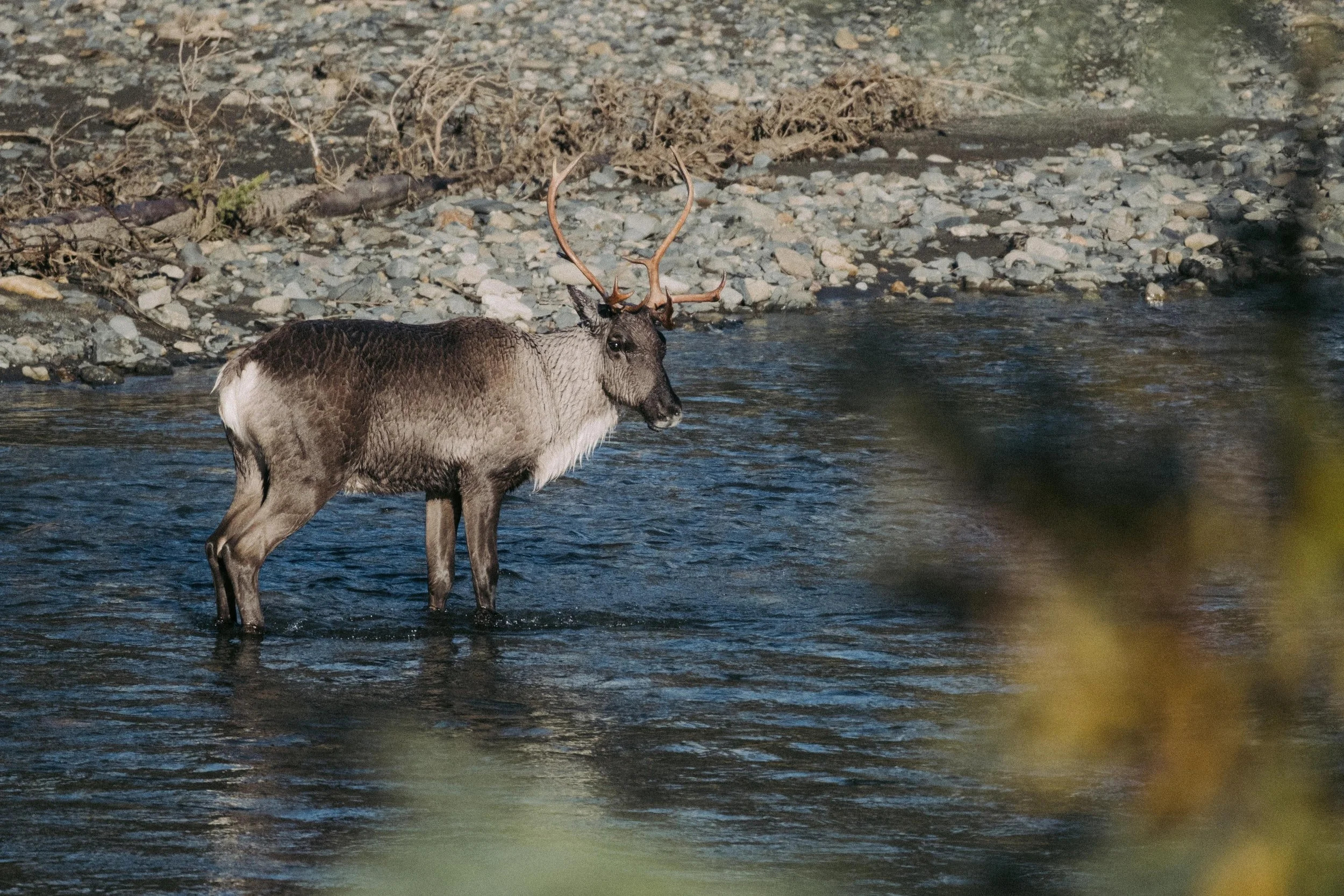
I killed a good-size caribou on that hunt. Most important, perhaps, I learned that the Innuits hunt and fish under brutal weather conditions. There is always something that can wreck your hunt. If not the weather, it’s the wolves. At one point, we had to leave a caribou until the next day. We urinated around the caribou carcass to ward off any wolf packs, hoping we were leaving enough man-smell behind to ward off any pack of wolves.
The rules are tough on Baffin Island. We passed a small island with a dozen or so sled dogs on the beach. The dogs raced along the shore when they heard our outboard, barking and howling at us. There were no buildings on the island, and I asked Solomonie how the dogs got there. He explained that many Innuits drop off their sled dogs on islands in the spring and leave them there until early winter when they need them for their sleds. Occasionally, the owners would kill a seal and drop it off on the beach for the dogs. Only the tough dogs got to eat. In fact, as Solomonie explained, a weak dog would be killed and eaten by the stronger dogs.
“In winter,” Solomonie explained, “only the strong dogs left for the sled.”
“Isn’t there a better way for these dogs?” I asked. Solomonie cut me short.
“Better to run free on the island than be chained in the village,” I asked no more questions.
But getting back to inuksuks -- have you ever seen the movie Cast Away with Tom Hanks? He was stranded on an island for several years. His only companion was Wilson, a soccer ball on which Hanks painted a face. Wilson was his only friend on that island. I wonder if Tom Hanks knew he had built his own Inuksuk.
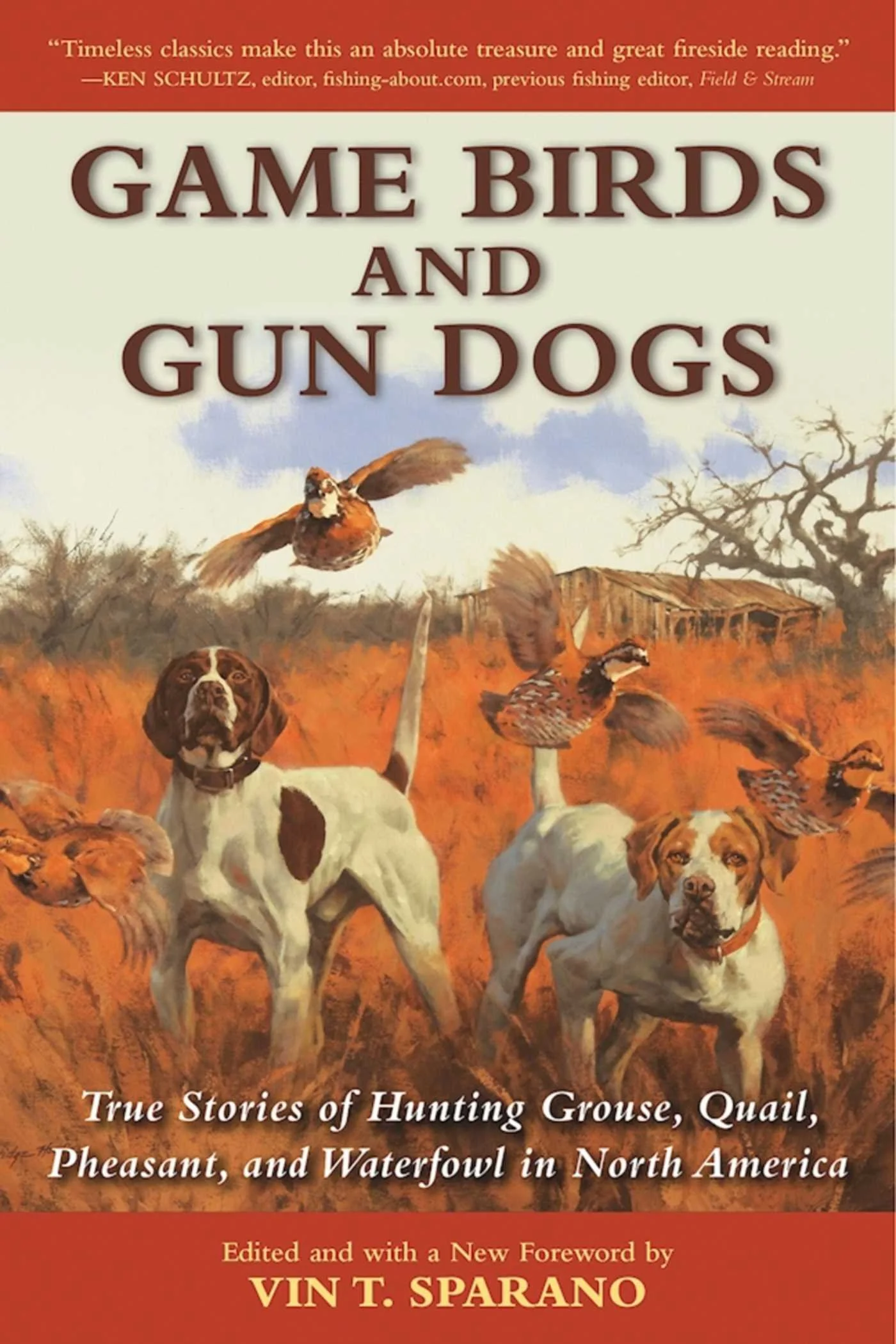
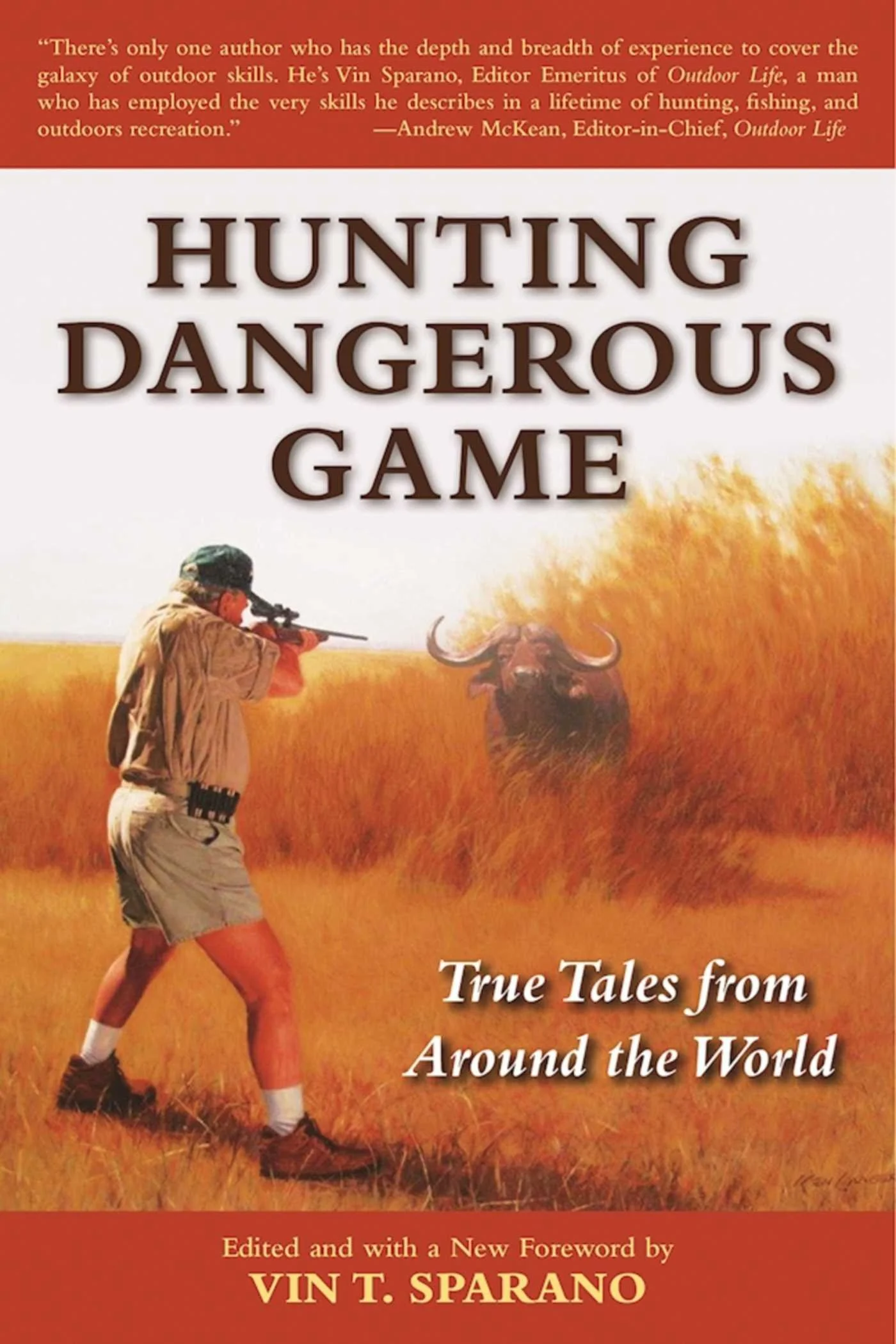
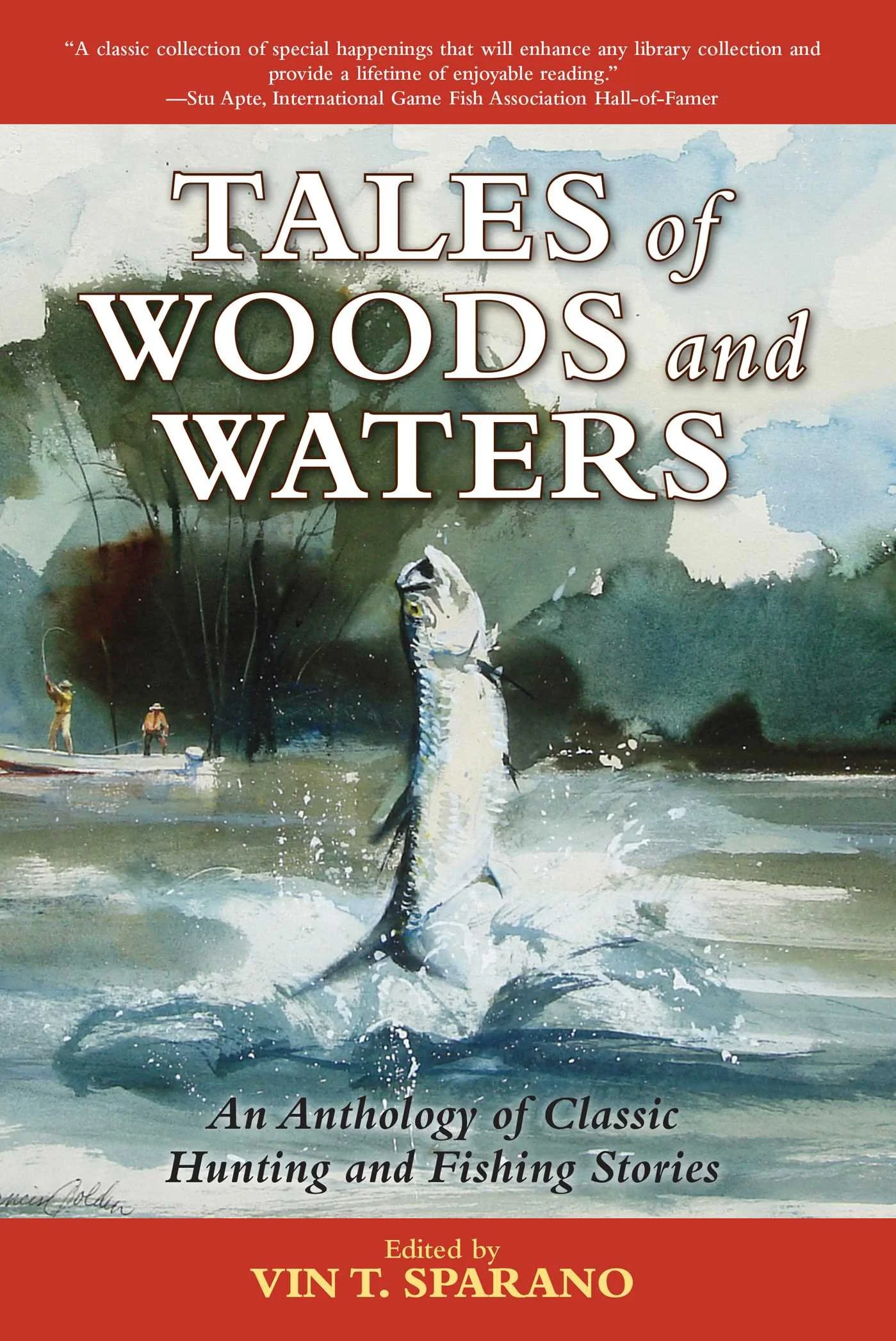
Check Out Vin T. Sparano’s Books

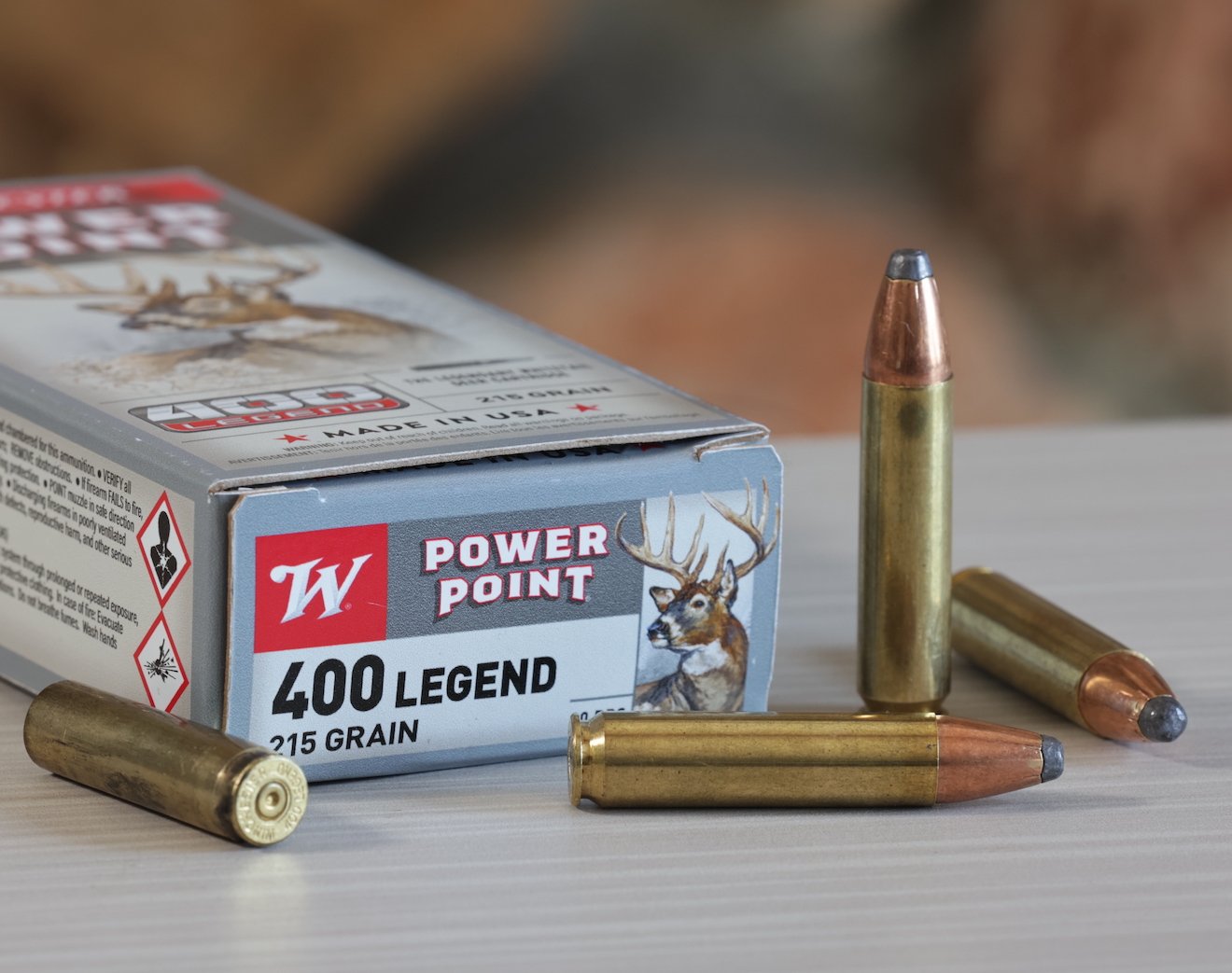
The new Winchester 400 Legend straight wall cartridge matches 30-30 Winchester performance but is legal in straight wall cartridge states.

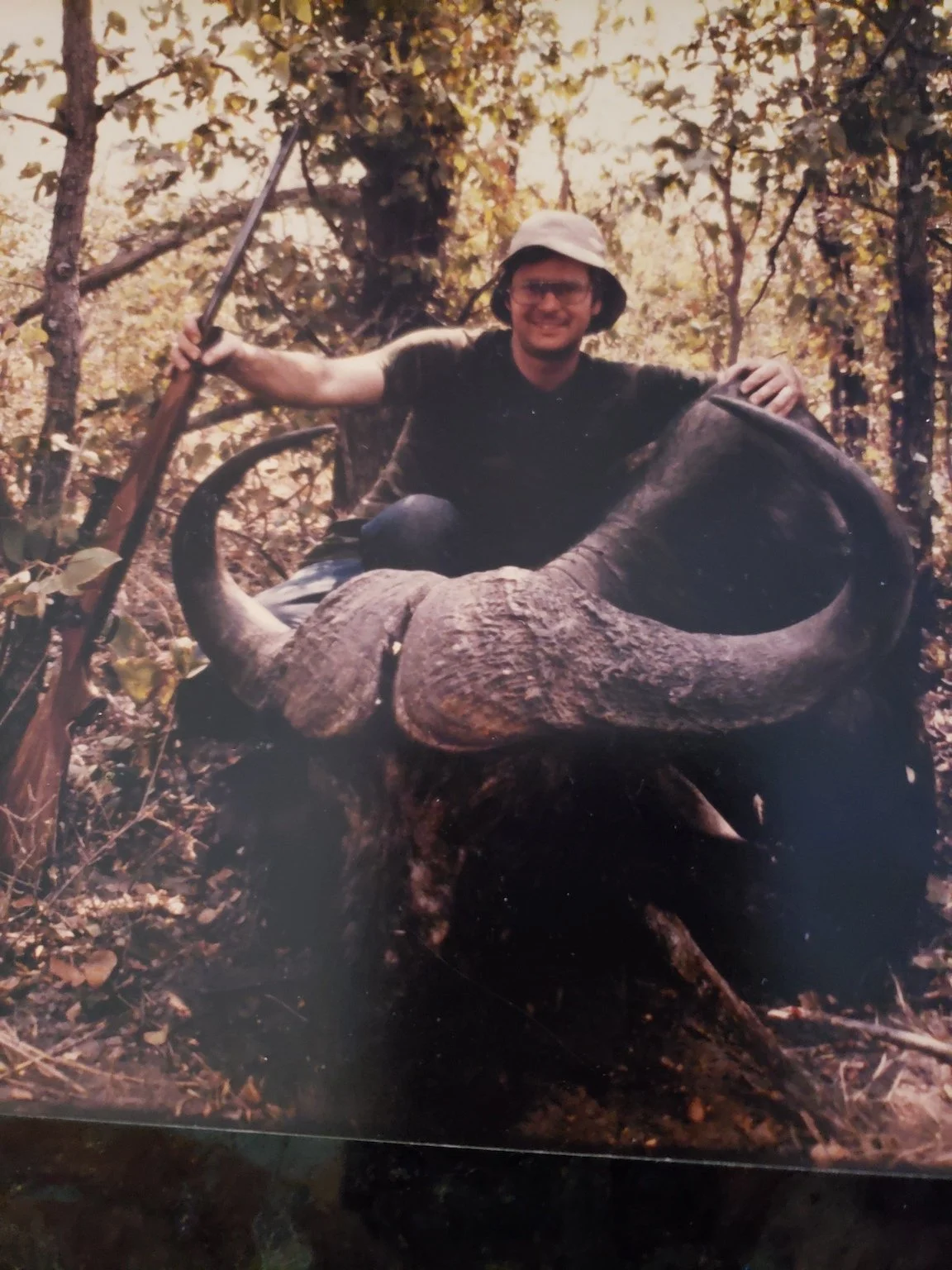
Stalking cape buffalo on the naked plains of Mozambique’s Zambezi Delta leads to food for local villagers and more wildlife across the hunting block.
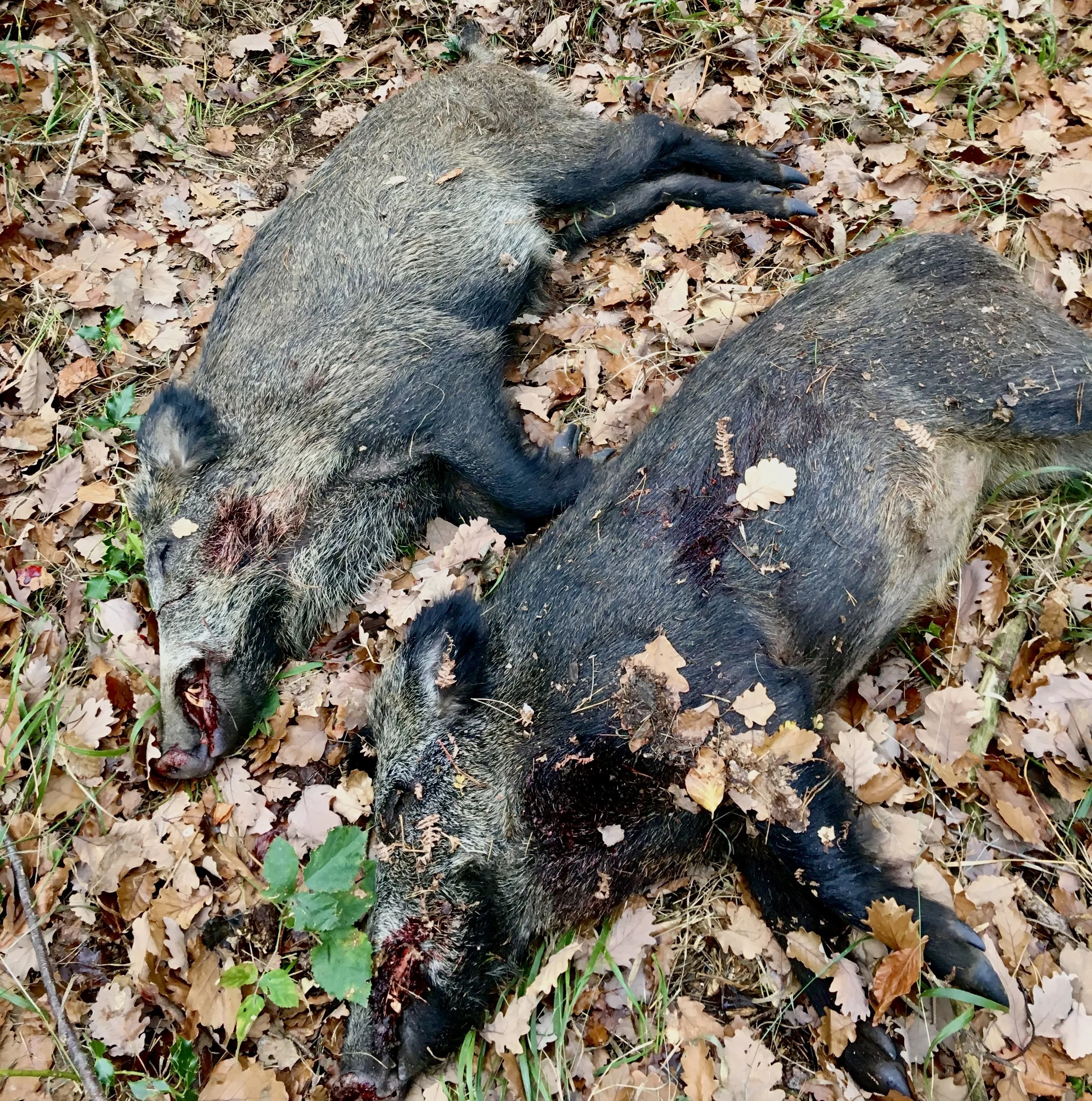
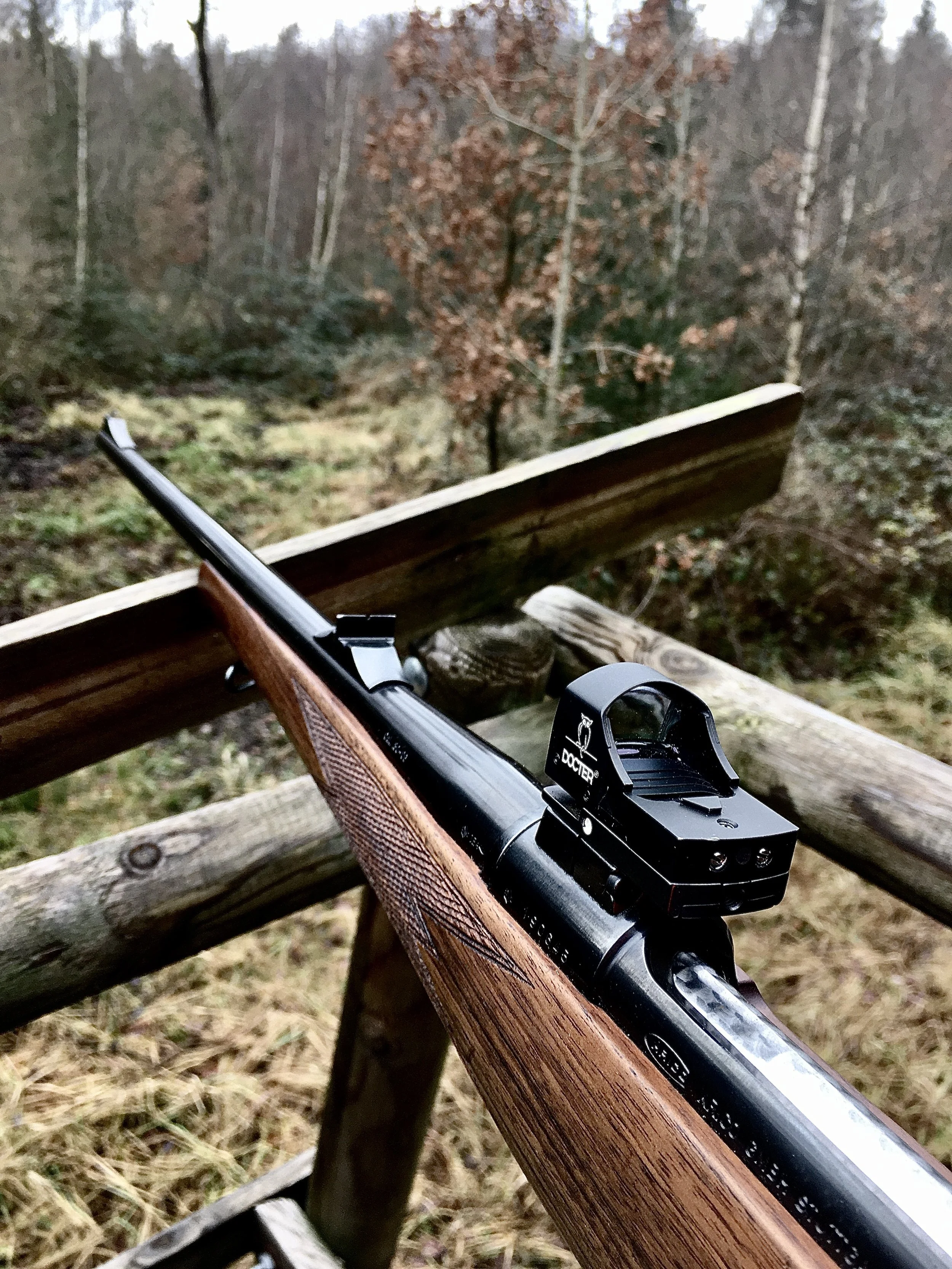
Being as stealthy as possible while moving through hunting grounds is essential. If you're still trying to hunt through potential bedding areas, closing in on game you spotted from afar, trying to sneak to your tree stand for a sit, or you're tracking bucks as they do in New England, every noise you make is too much.
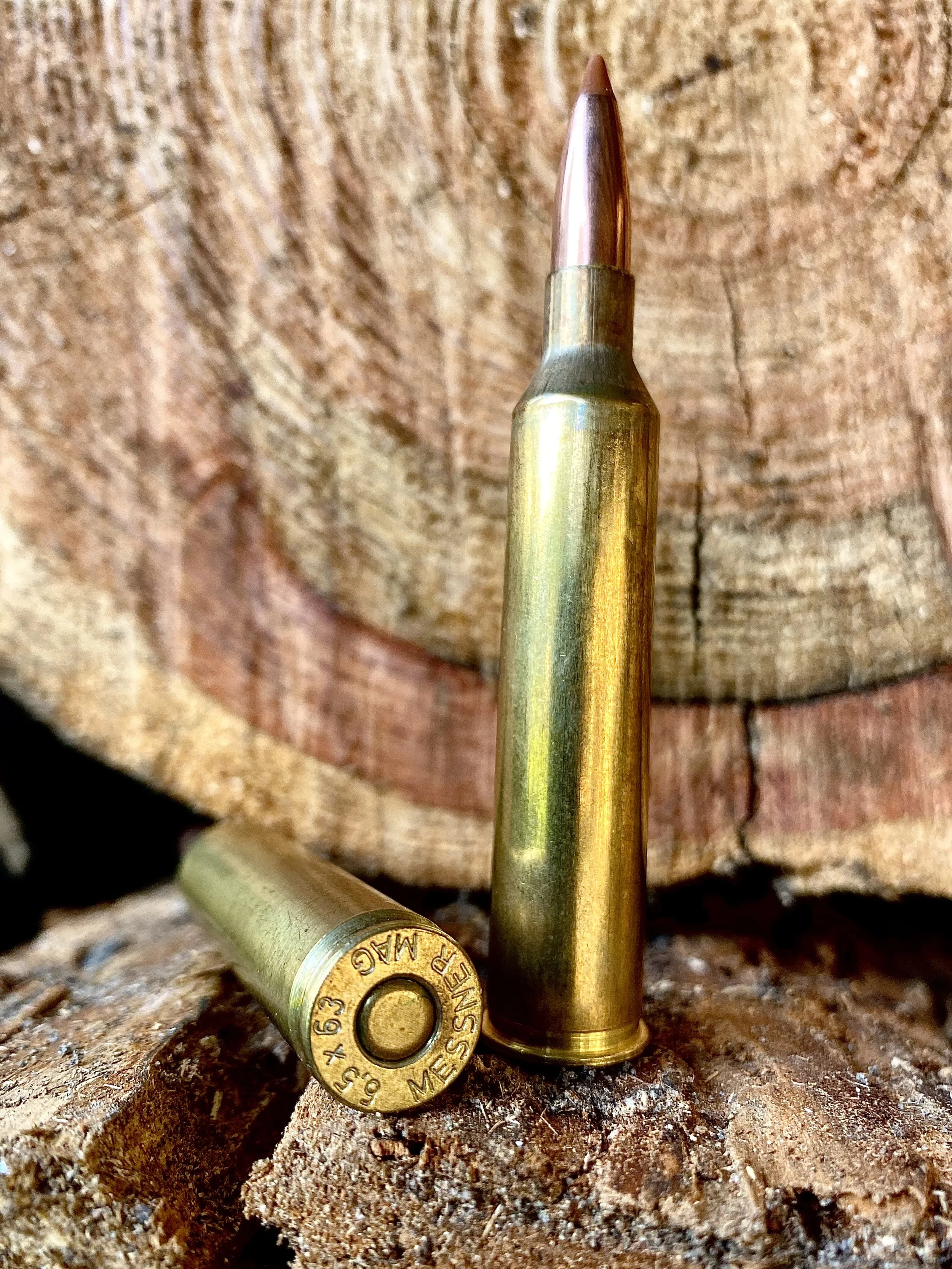
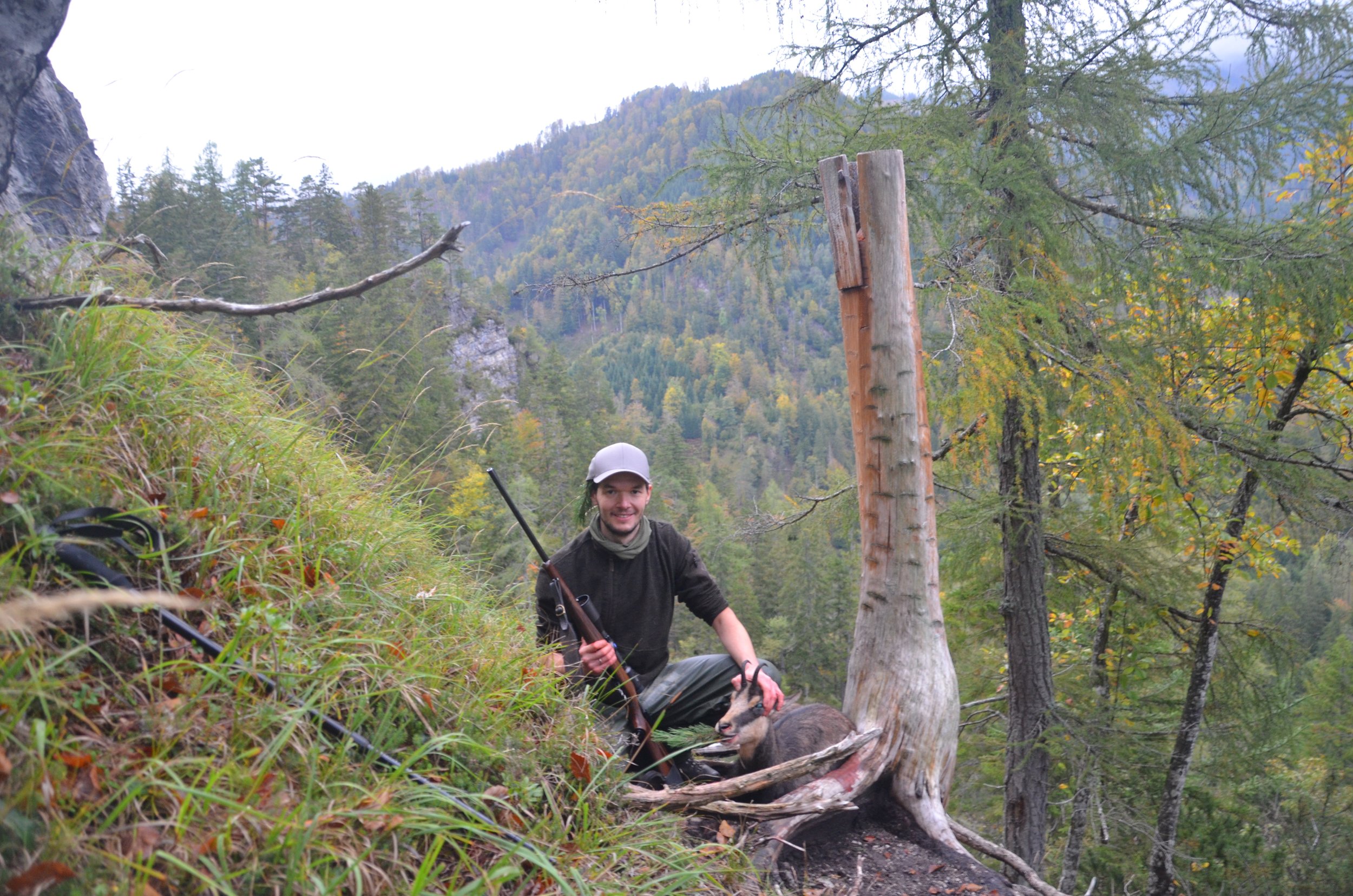
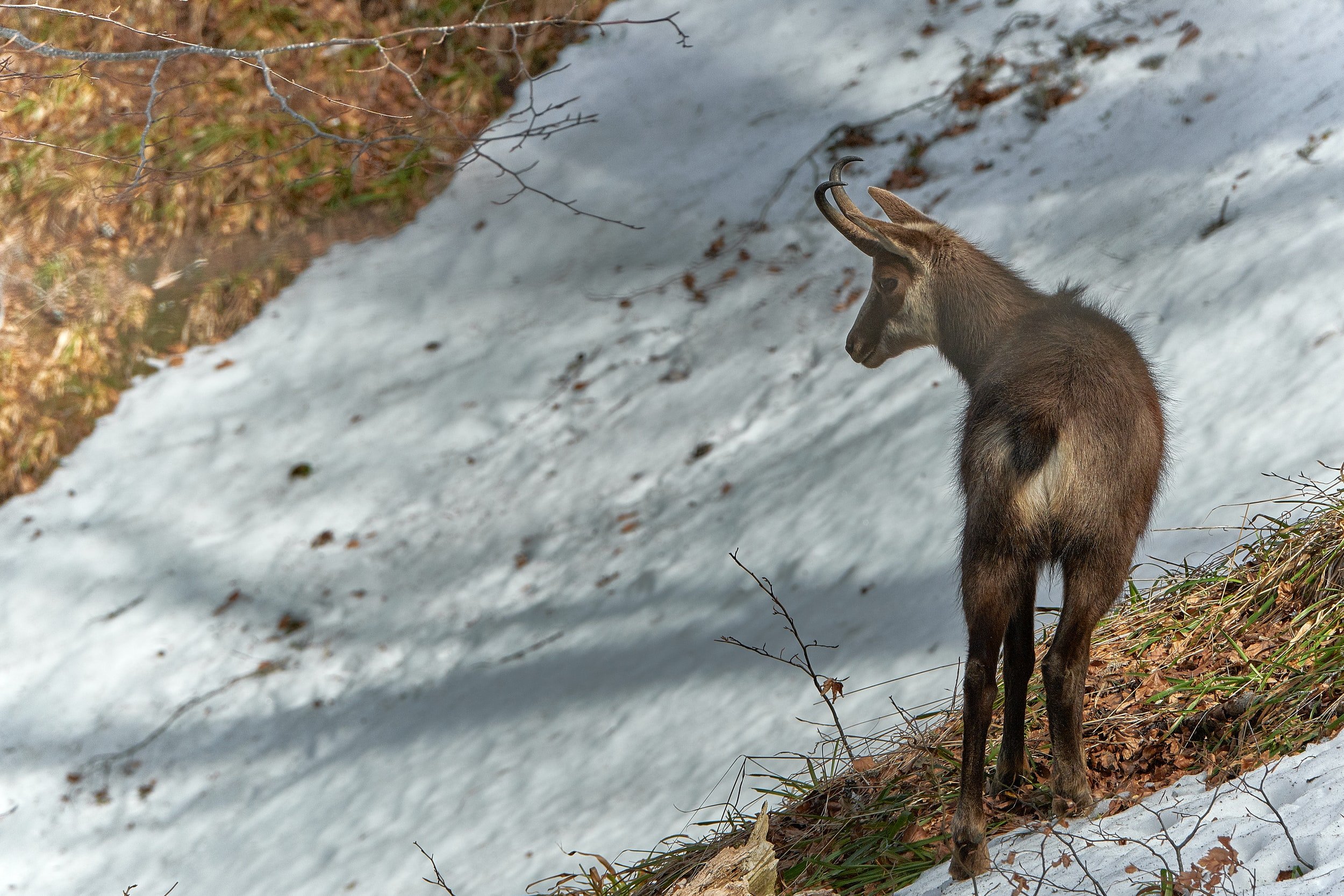
They start from the base, rising with bumps, bruises, and little rings. At last, they turn back, bending to form a bow. With their thick bases, a pair of them sits atop a white face with dark, lengthwise stripes. Every European mountain hunter dreams of this trophy -- the horns of a chamois.

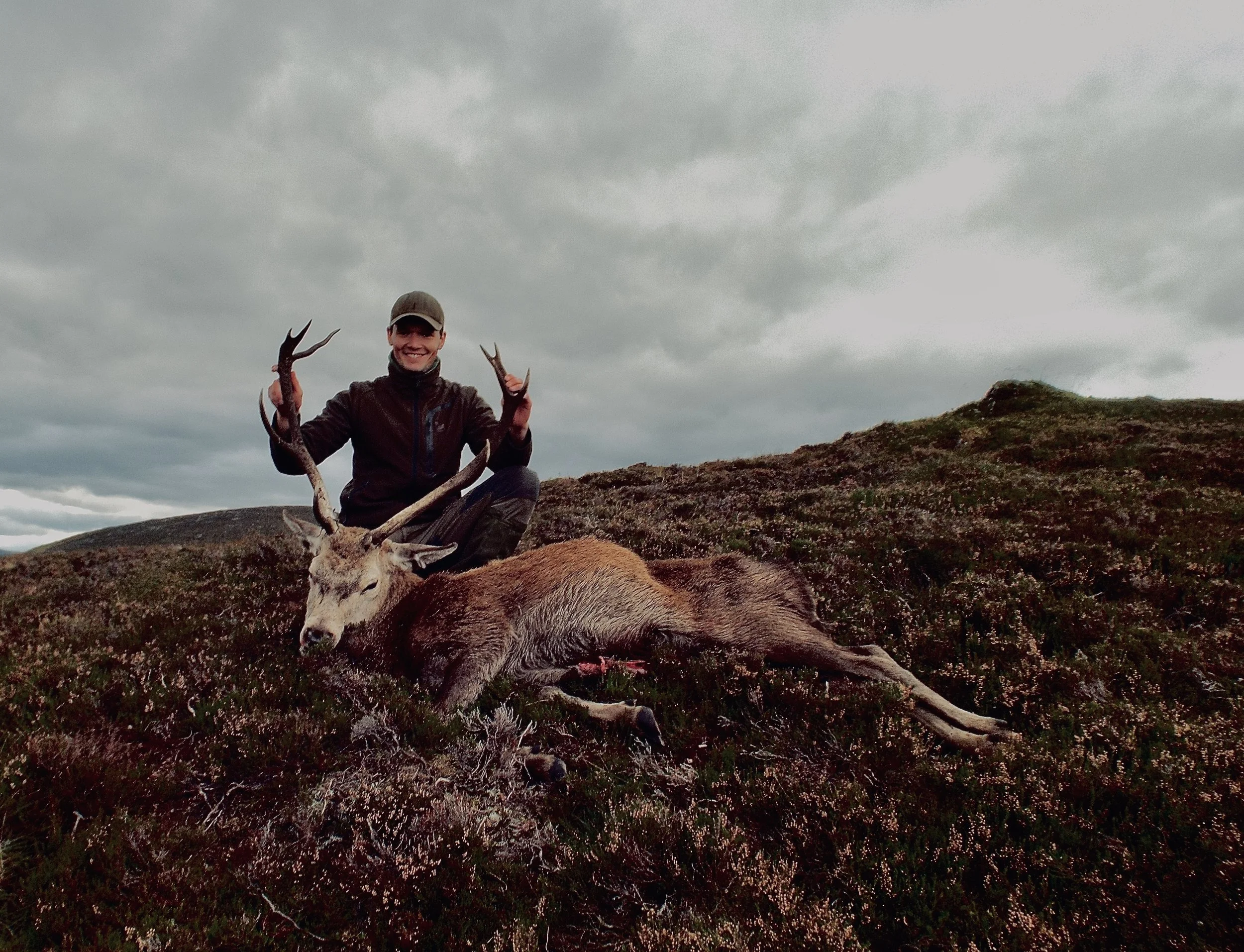

If the average American hunter heads out for a big game hunt, chances are he’s relying on the .30-06 Springfield to get some meat on the ground. Why? Well, because the ought-six has proven time and time again that it gets the job done -- reliably and repeatedly.
If his European counterpart picks his do-it-all rifle, he’ll choose the 8mm Mauser rifle every time.
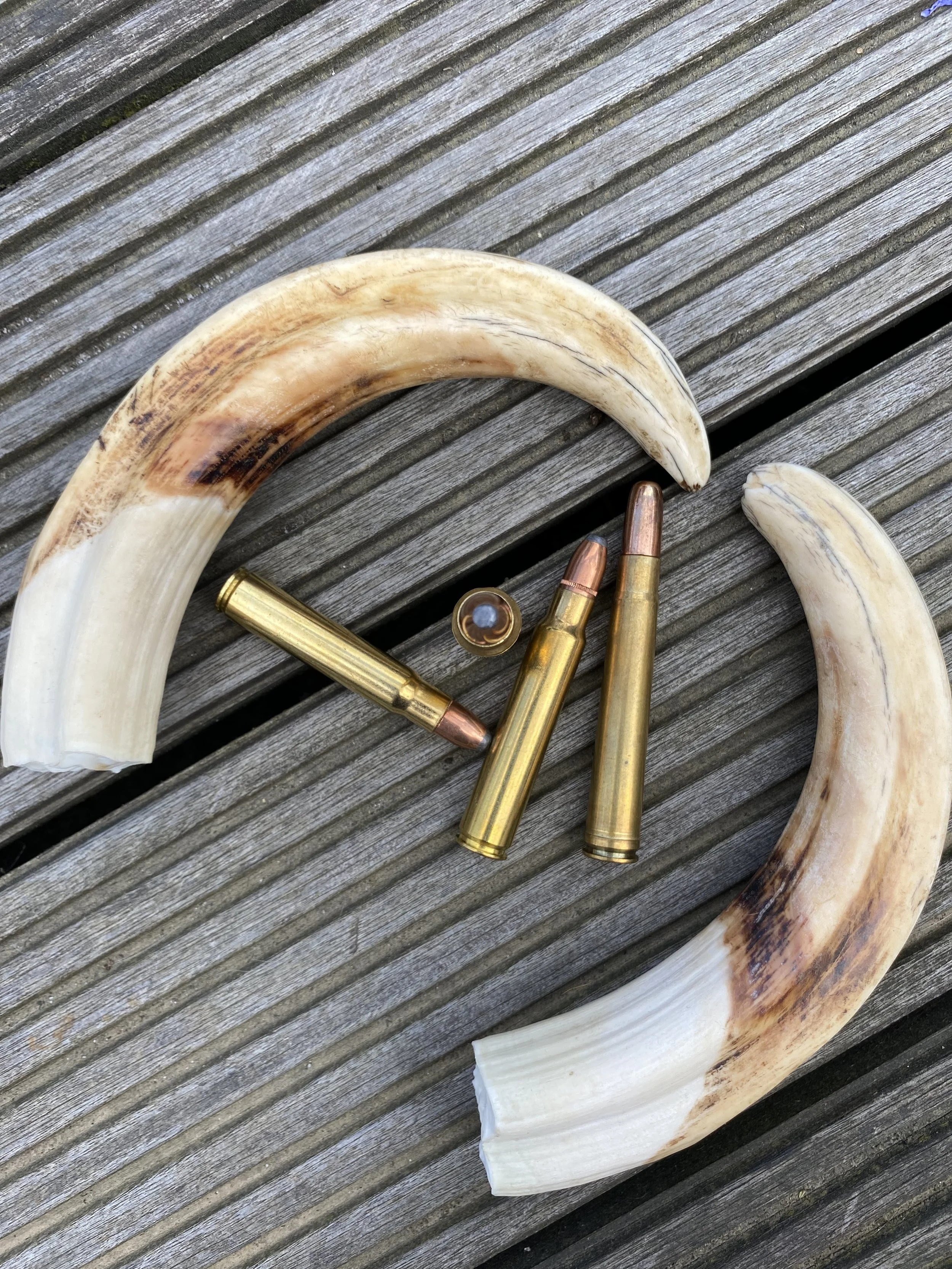
Since its introduction in 1912, the venerable .375 Holland & Holland has been the benchmark for all medium-bore cartridges. Its caliber is the minimum for dangerous game hunting in many African jurisdictions, and with adequate bullets, it’s a sensible choice even for elephant hunting.

Zeroing a traditional 30-30 load at 160-yards maximizes point blank range, but a 50-yard zero might be more effective in tight cover where shots are no farther than 120 yards. Sight-in high at 100 yards for most versatility.
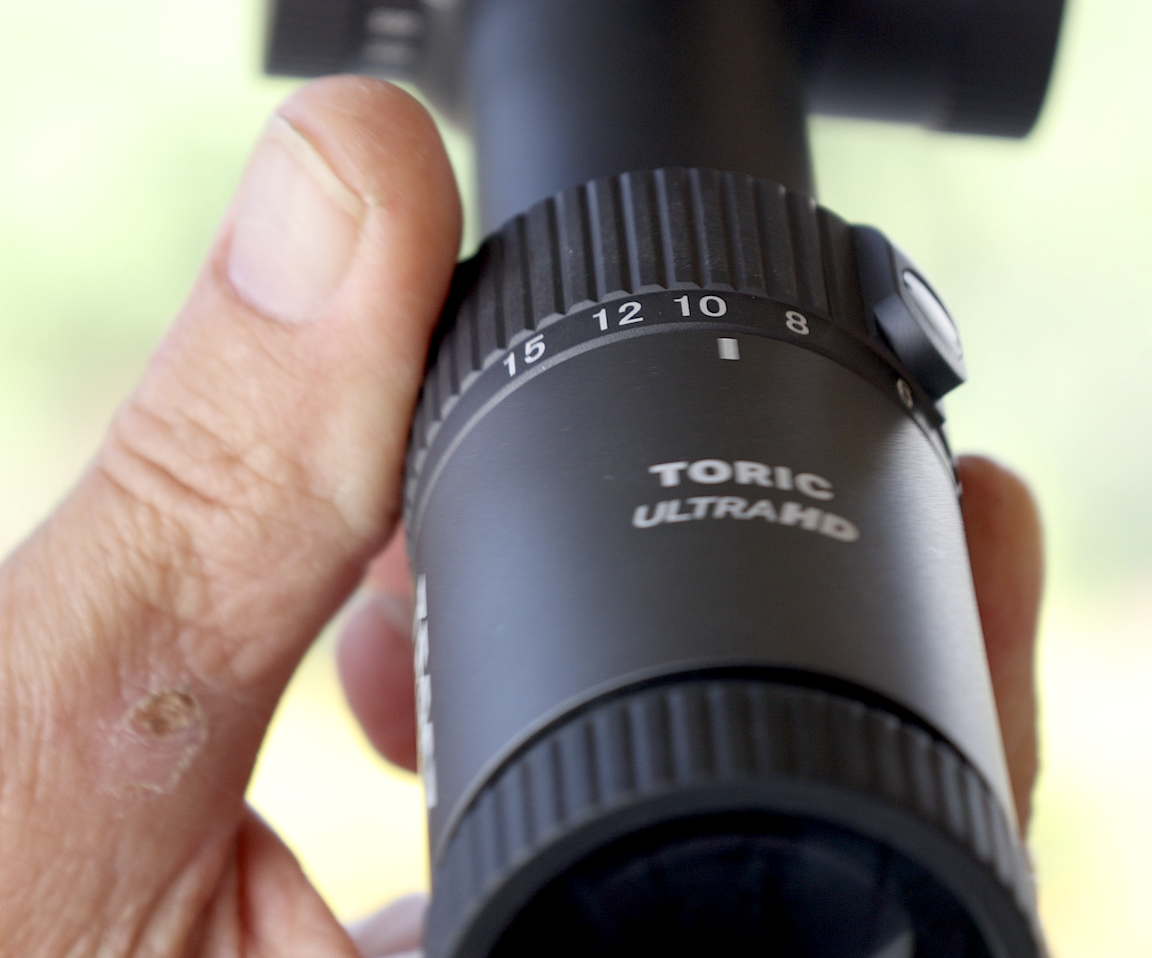
Tract Toric Ultra HD 2.5-15x44 FFP MOA scope earns 5 Stars. Sharp, bright, high contrast, precise, repeatable.


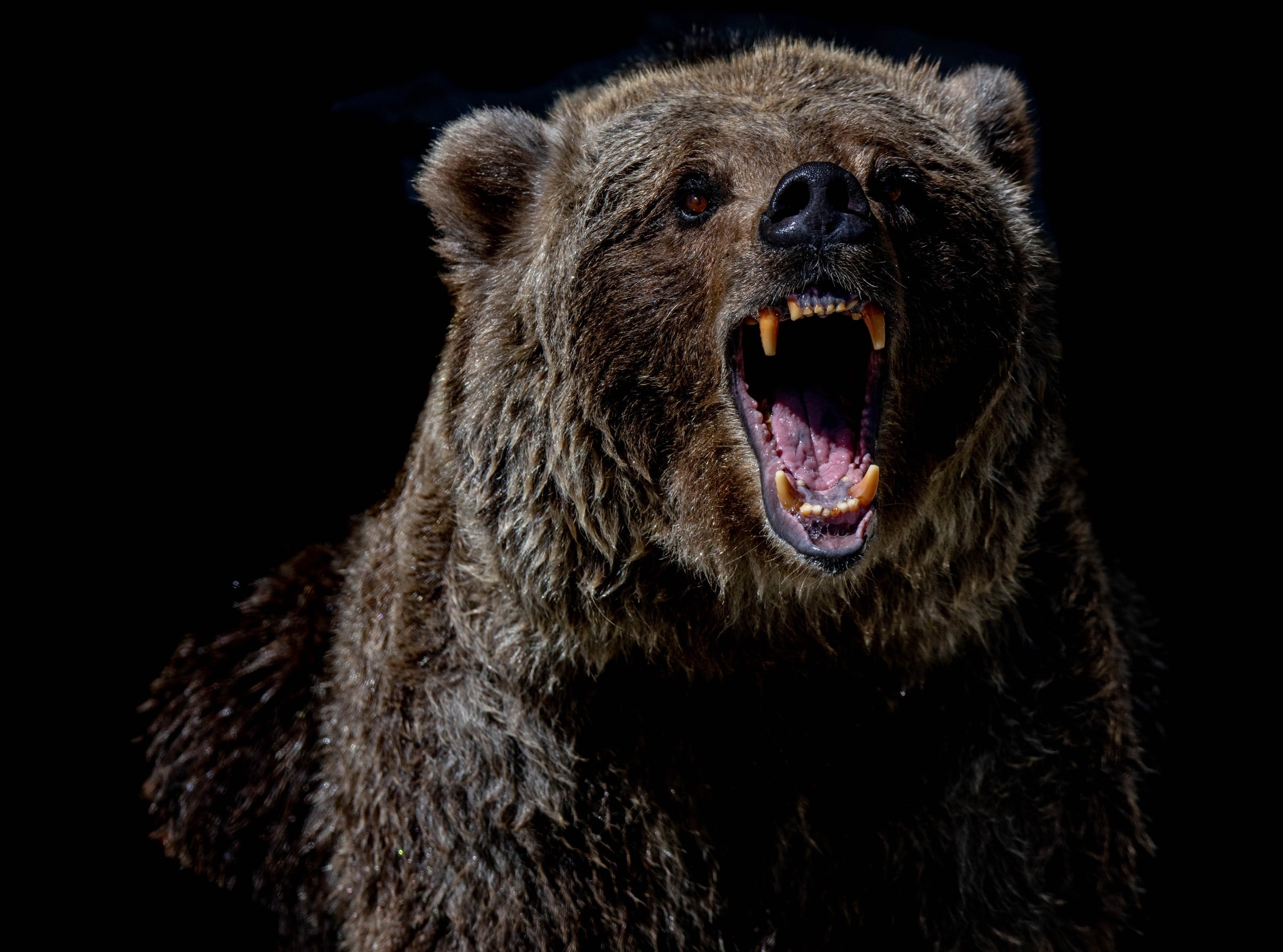
“Find me a good flapping scalp story,” I’d say to the Outdoor Life editors at many of our staff meetings. I meant, of course, a good bear tale where a grizzly or Alaska brown bear got the upper hand and chewed off the hunter’s scalp. During my tenure at Outdoor Life, I learned very quickly that our readers had a true love affair with bears, especially rogue grizzlies.
Baffin Island in the Northwest Territories can be downright mean to hunters. It’s cold, windy, and wet. Campfires are a luxury on Baffin. There are no trees, and the only vegetation is lichen and moss. The shoreline is a maze of ankle-twisting rocks. But the caribou hunting more than made up for the aches and pains in my body when I hunted there years ago.

Unfortunately, the recent black bear attack in northern New Jersey and the first fatal bear attack in about 150 years is an example of what happens when people panic and run scared. Perhaps this deadly attack might not have happened if the young hiker had been more knowledgeable about the dangers of encountering a wild animal.
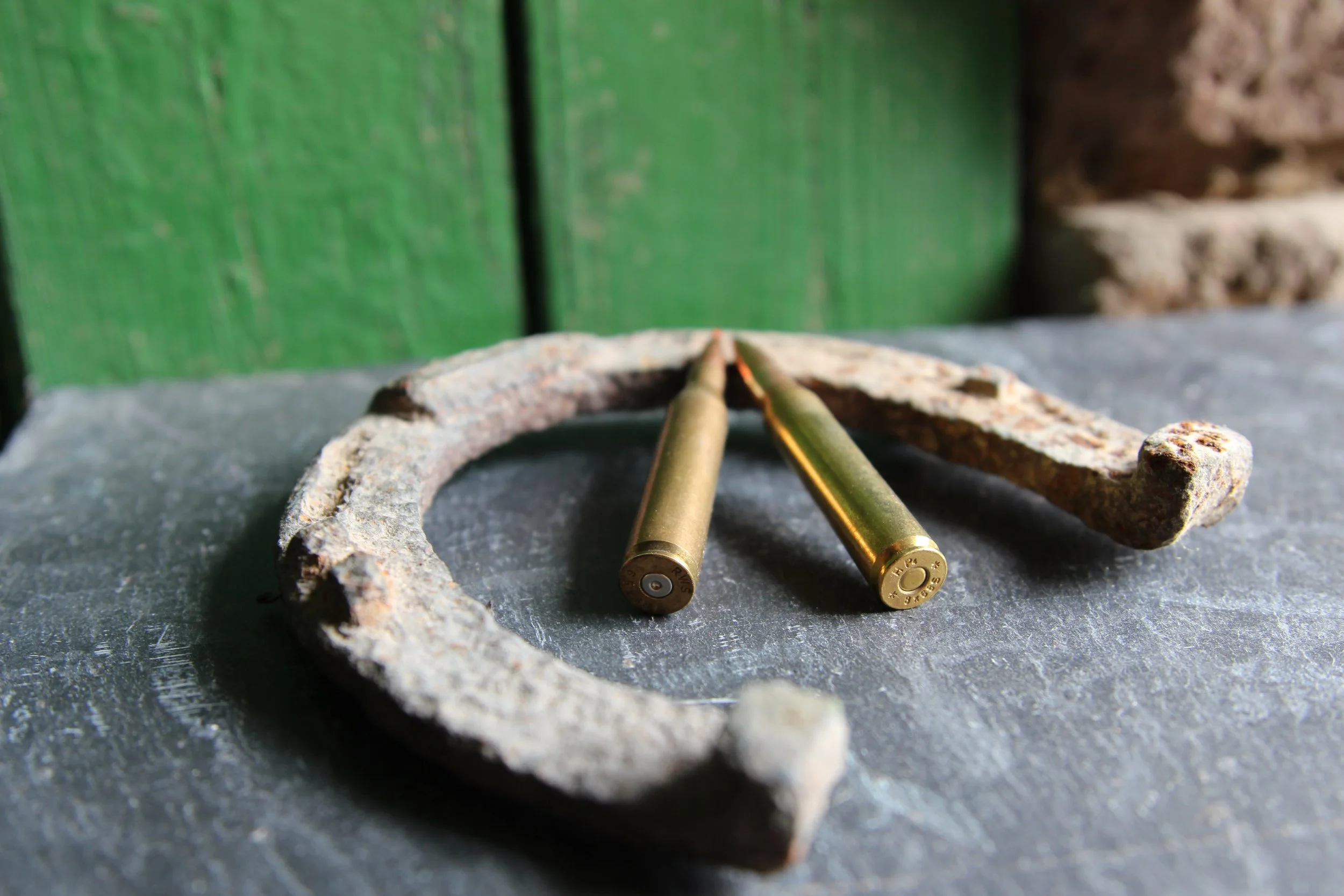

“This was not the way it was supposed to happen. I hit the Cape buffalo squarely in the chest with a .375 Holland & Holland, a cartridge the size of a banana. Nyati was supposed to go down. He didn’t even flinch! In fact, the bull trotted off with his buddies.
 Vin T. Sparano
Vin T. Sparano worked at Outdoor Life magazine for over forty years, serving as both the Editor-in-chief and Senior Field Editor. There, he compiled Complete Outdoors Encyclopedia, which won multiple awards including the Library Association’s Award for Outstanding Reference Work. He has also written and compiled over a dozen other books including The Complete Guide to Camping and Wilderness Survival and Tales of Woods and Waters, as well as hundreds of articles on the subject. He has dedicated his life to the outdoors and is one of the most-respected authorities in the field. He lives in Port Monmouth, NJ.
Purchase Vin T. Sparano’s books here: https://amzn.to/3LDGwxf