

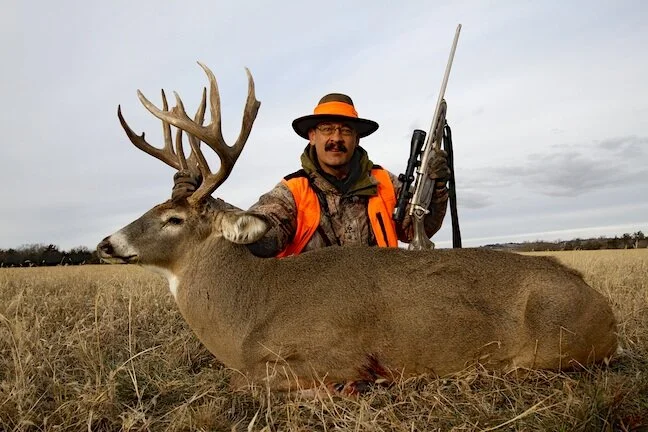
Laughing Waters Ranch Buck
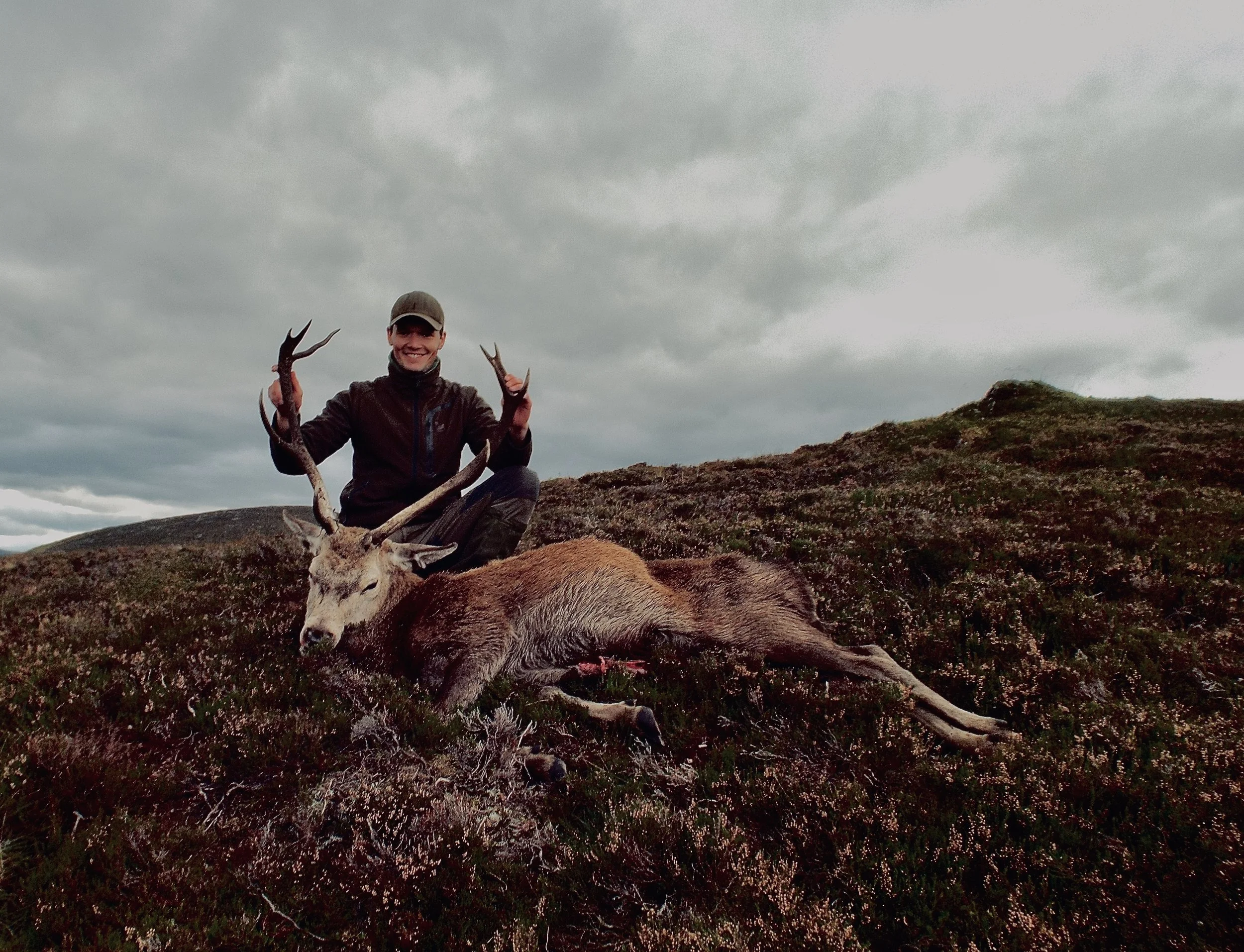
An RSO visitor named Bill from way back east just asked for advice on Western whitetail outfitters. Smart guy. He's looking the right direction for great whitetail hunting. I explained to Bill that, while I can't guarantee any outfitters, I have had great luck with Laughing Waters Ranch Outfitters near Bassett, Nebraska. Check out a short video on YouTube. LWRO has great river bottom habitat and lots of big bucks. I took a 143 net there two years ago, a 150 gross last Nov. In Alberta try Willow Creek Outfitters with outfitter Andre van Hilten south of Calgary near Nanton. With Andre you have a good chance for both a mule deer AND whitetail. Eastern Montana has long been a great trophy whitetail destination, but 14 months ago it suffered a major winter kill. As if that weren't bad enough, late last summer EHD (a viral disease) hit, wiping out as many as 90 percent of the surviving whitetails in some spots. Check carefully before booking in Montana. Some ranches retain good bucks, but it's spotty. Wyoming is usually good around the Black Hills and Sheridan areas. Eastern Colorado is super for massive, mature bucks, but I suspect you'll pay a steep price for access. Expect huge mule deer in the same habitats. South Dakota can be outstanding in places depending on harvest pressure. North Dakota is a sleeper. Kansas is always great, but outfitters there seem to be following the Midwest model -- they stick you in a stand and there you must sit. But man, do they have bucks! If you enjoy sitting and waiting, Kansas would be a good use of your time. I'm afraid I can't recommend Idaho anymore. In the 1980s and early 90s it was producing excellent whitetails, along with the best branch-antlered elk hunting in the country. Shiras moose were popping up like mushrooms in May. I saw 11 in one day while hunting grouse east of Idaho Falls! But the wolves seem to have "overharvested" Idaho's big game. I haven't seen a moose in years, elk numbers have nose dived in many places and whitetails are huddling on rural doorsteps to avoid wolves. Texas is, of course, big time whitetail country, but most of the hunting is somewhat contrived in that deer are intensely managed. So are hunters. You may be directed to sit not only in one stand your entire hunt, but over a feeder that "goes off" at 8:45 AM and 4:40 PM each day. You could even be told to shoot the 4x5 with a broken G3 on the right side, but not the 5x4 with tall tines and a broken G1 on the left. This is just one way Texans manage to produce so many fully mature, spectacularly antlered bucks. They harvest no buck before its time. But this takes the "hunt" out of hunting for some of us. If you don't mind such restrictions, Texas can certainly produce a huge buck for you. Truly, any western ranch with whitetails and controlled access can provide outstanding hunting. Your success depends on the services the outfitter provides (food, lodging) how much pressure he puts on the deer, how freely he lets you hunt, how hard you hunt and how effectively you hunt. I'm betting you'll see more and larger bucks on any western hunt than you see in a season in most eastern states. But don't take my word for it. Head West and try to prove me wrong. (Like the photo at the top? Watch me take this buck in a new episode of Winchester World of Whitetail on NBC Sports Network later this summer or early fall.) # # #

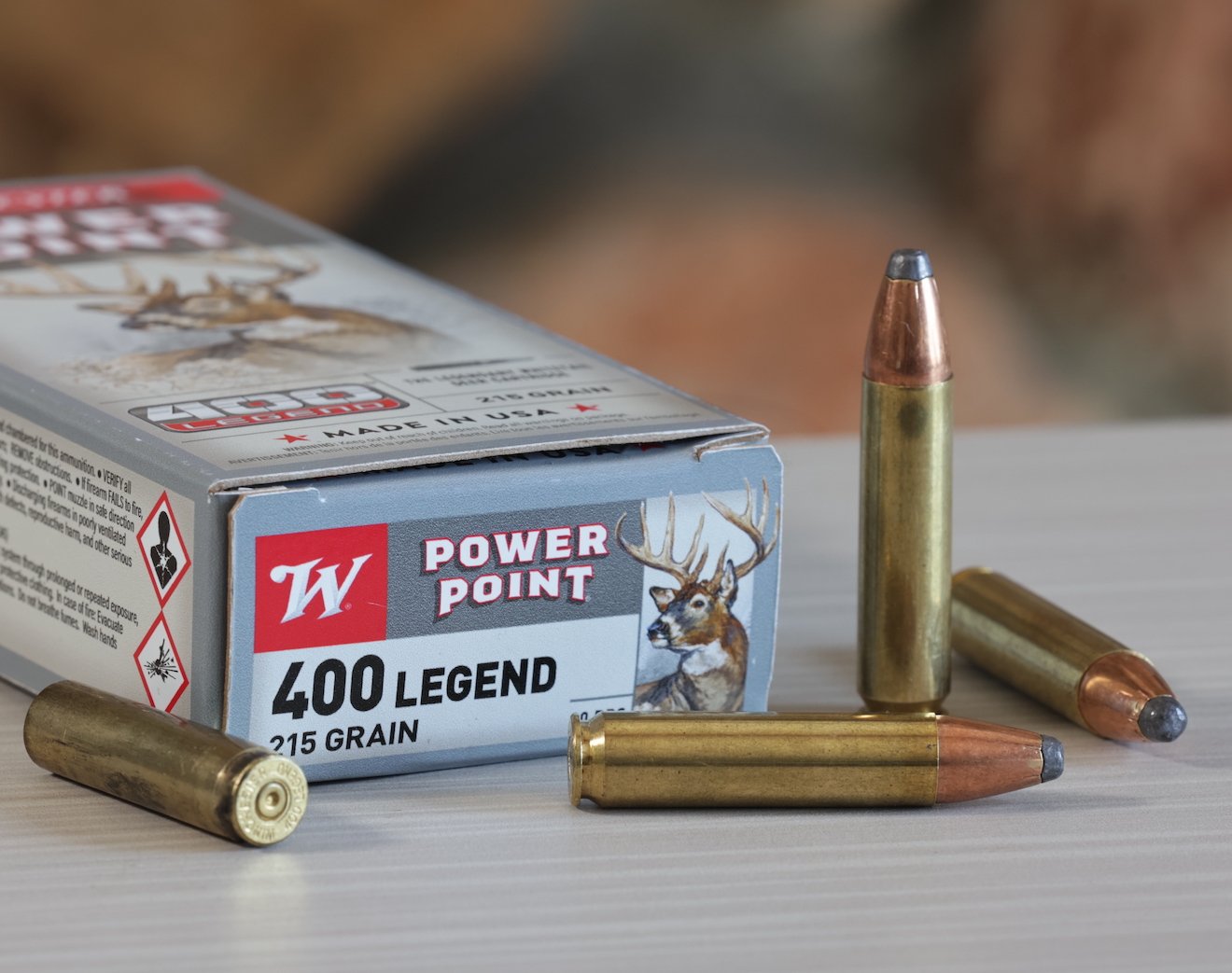
The new Winchester 400 Legend straight wall cartridge matches 30-30 Winchester performance but is legal in straight wall cartridge states.

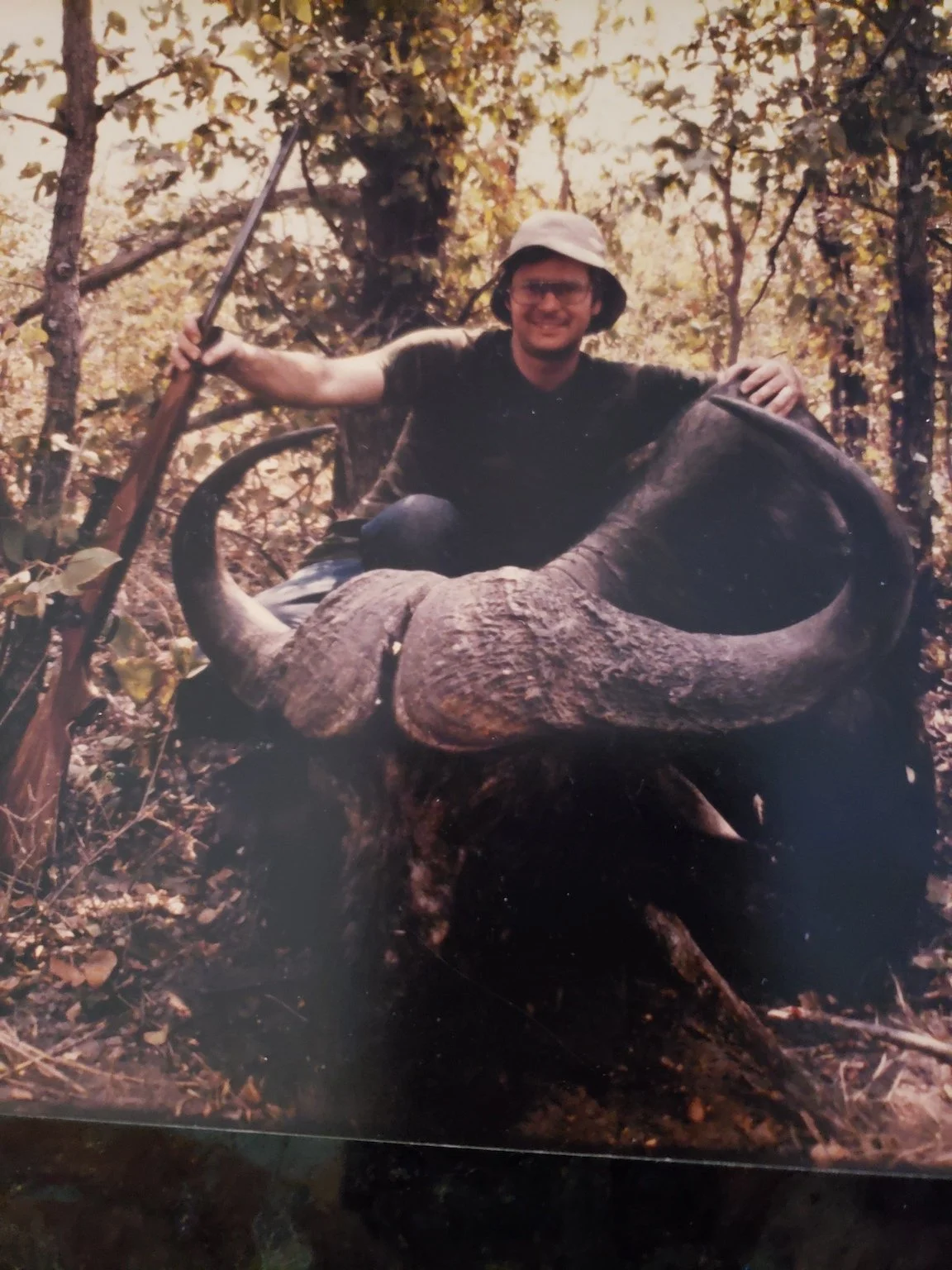
Stalking cape buffalo on the naked plains of Mozambique’s Zambezi Delta leads to food for local villagers and more wildlife across the hunting block.
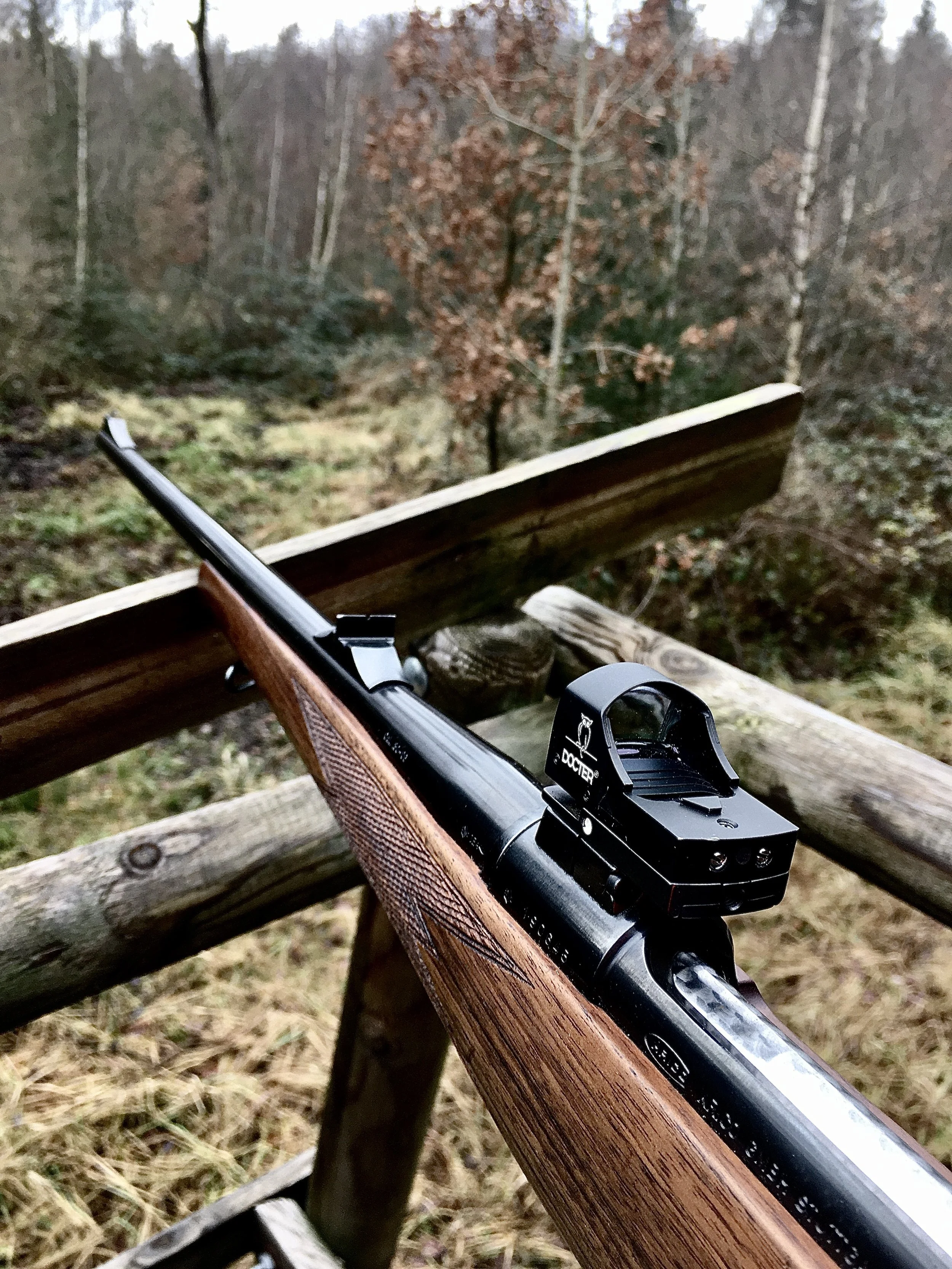
Being as stealthy as possible while moving through hunting grounds is essential. If you're still trying to hunt through potential bedding areas, closing in on game you spotted from afar, trying to sneak to your tree stand for a sit, or you're tracking bucks as they do in New England, every noise you make is too much.
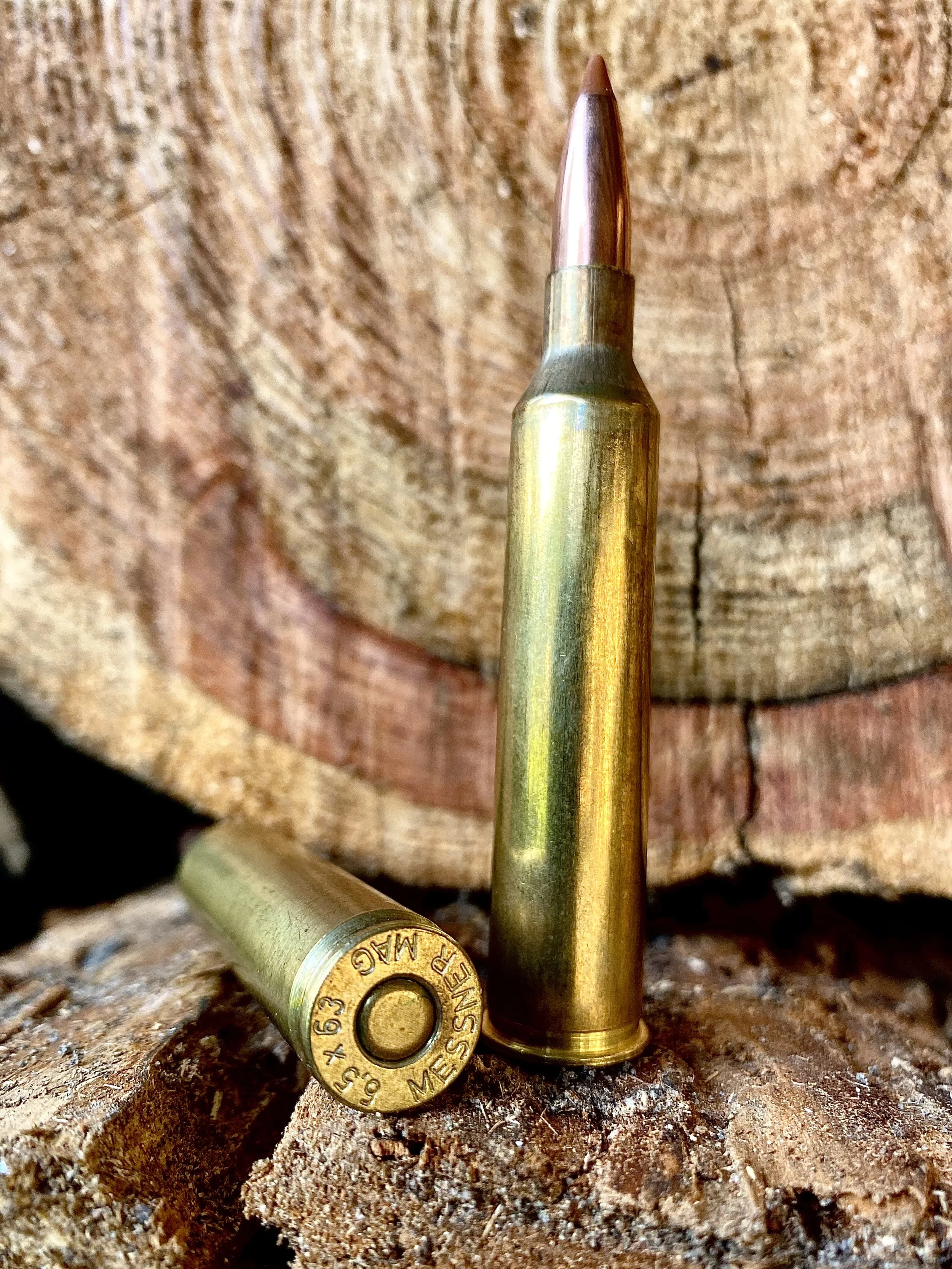
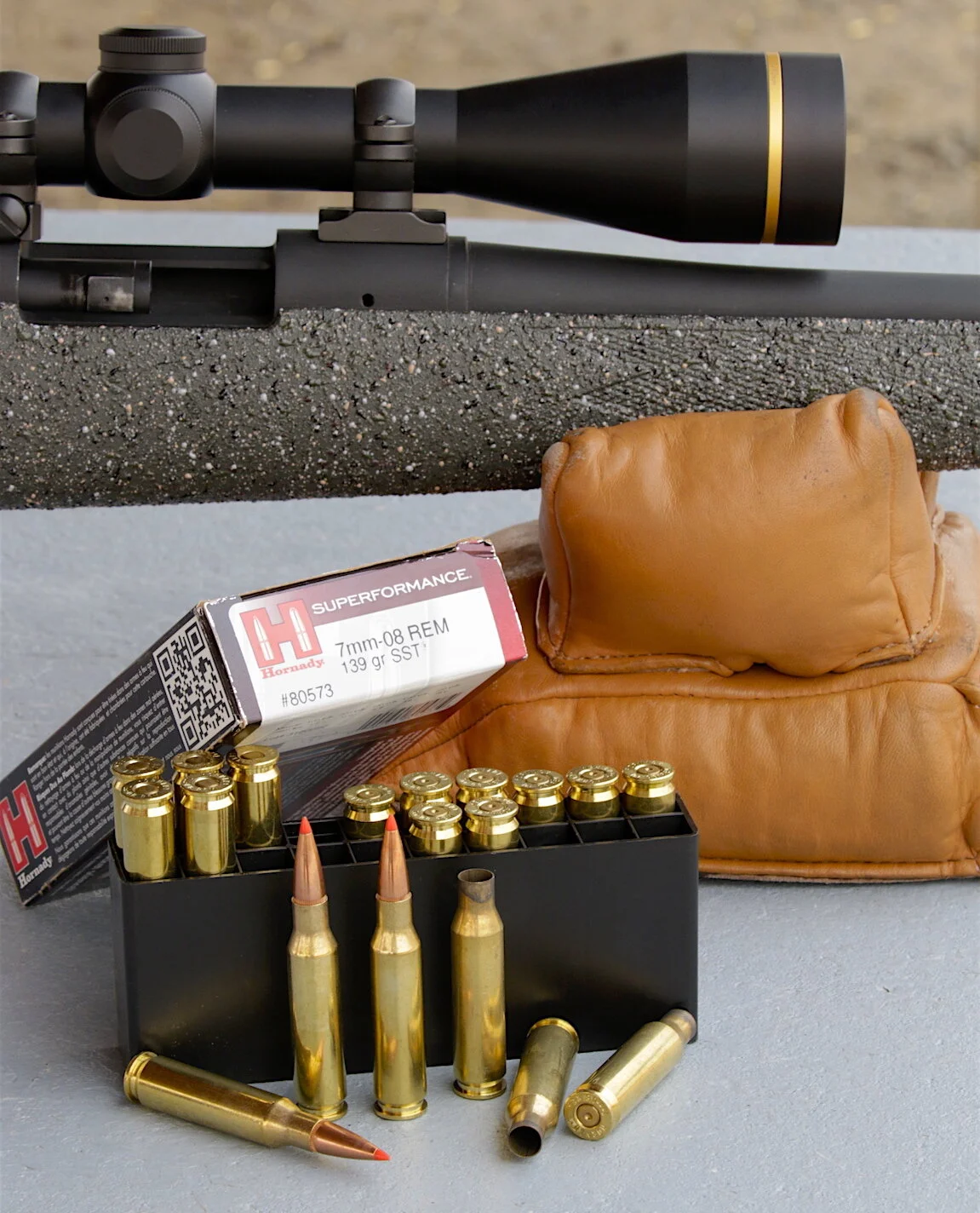
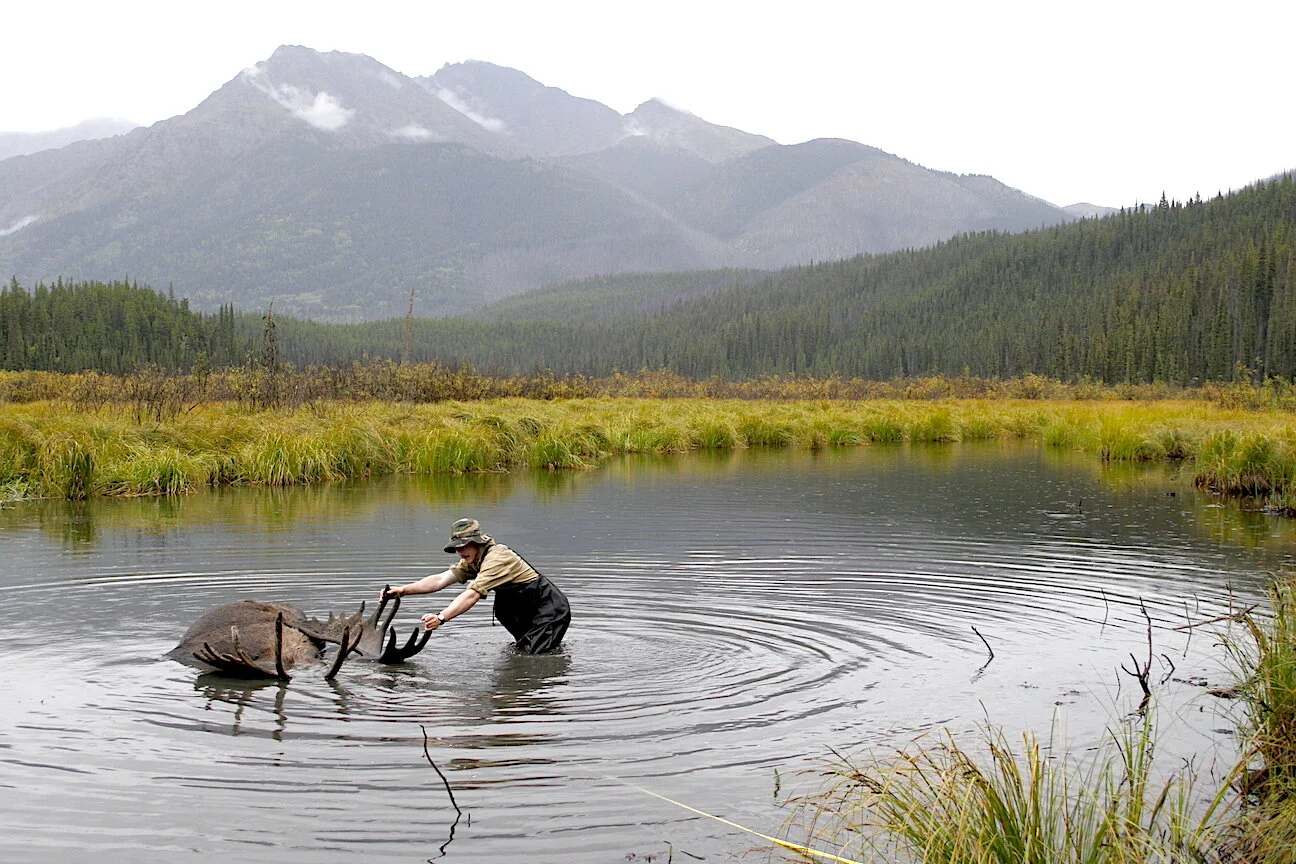
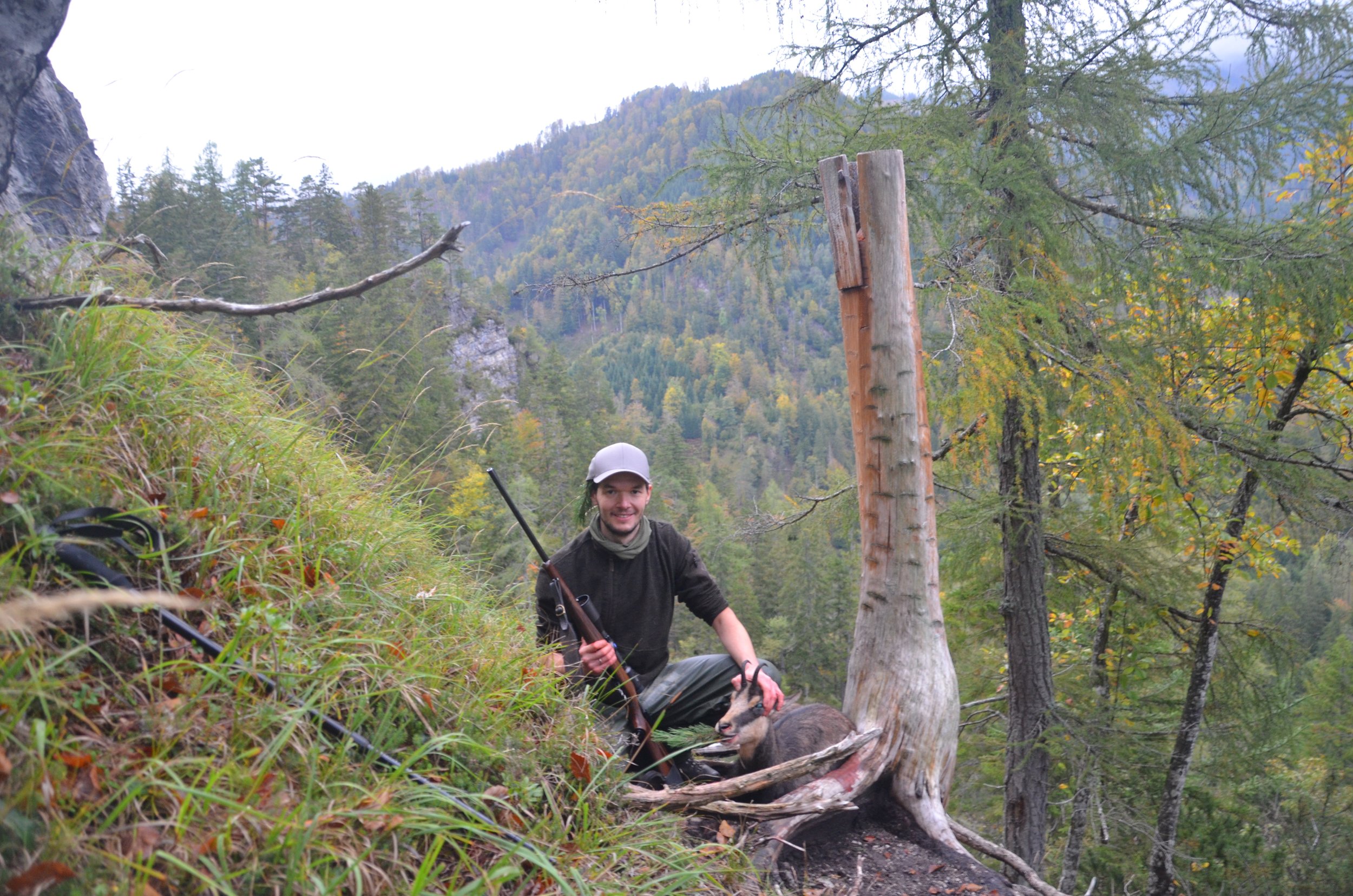
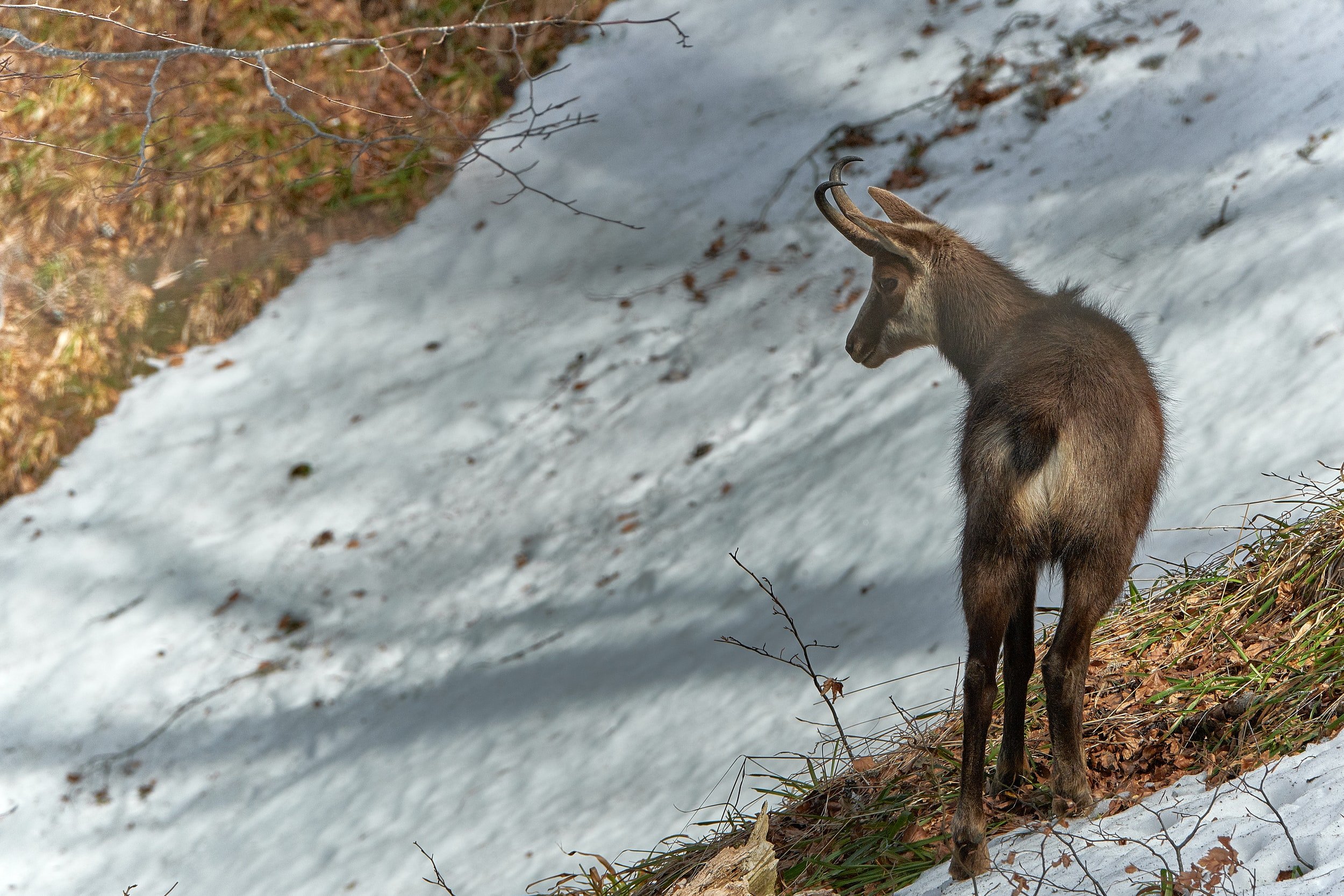
They start from the base, rising with bumps, bruises, and little rings. At last, they turn back, bending to form a bow. With their thick bases, a pair of them sits atop a white face with dark, lengthwise stripes. Every European mountain hunter dreams of this trophy -- the horns of a chamois.
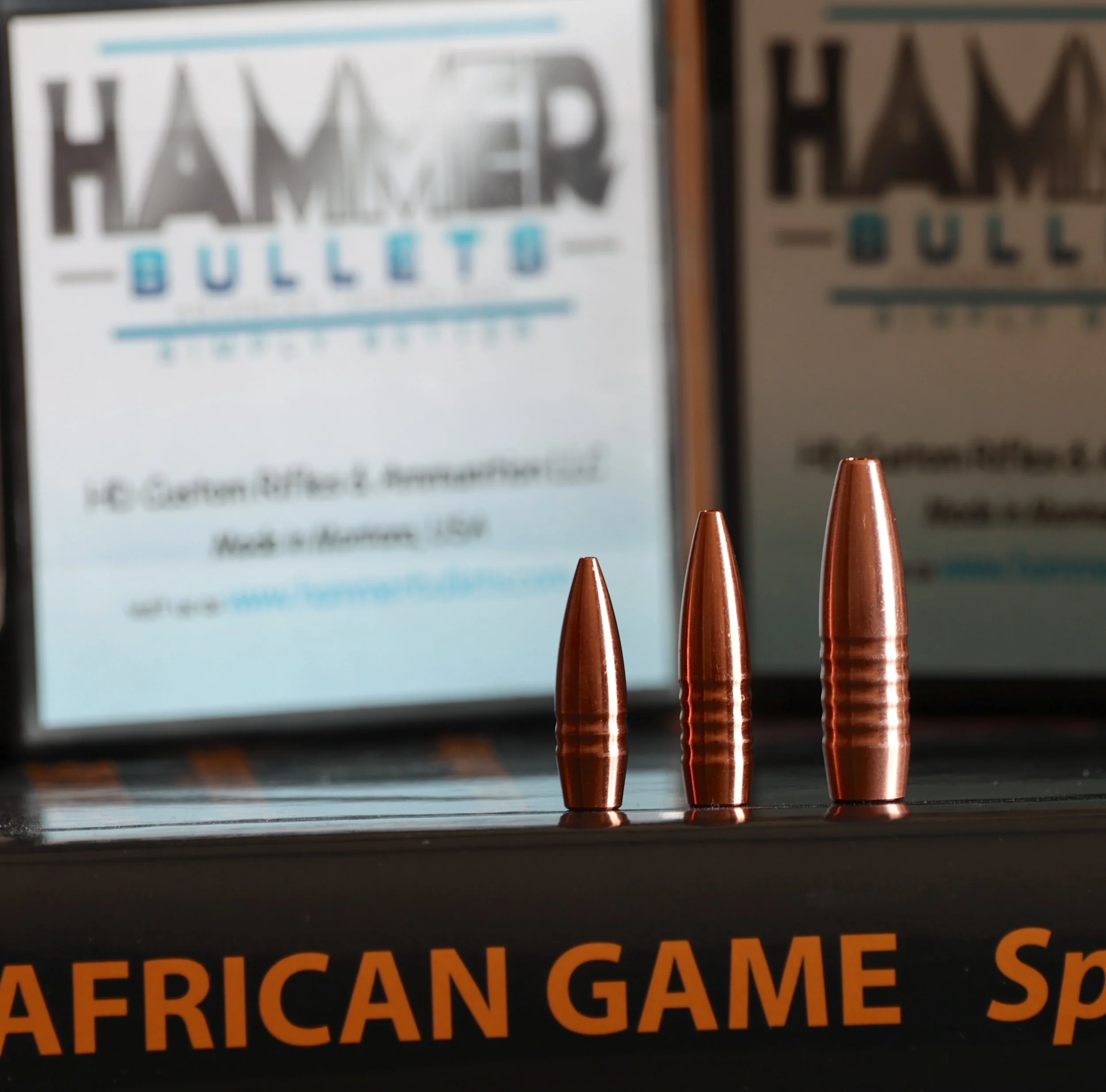

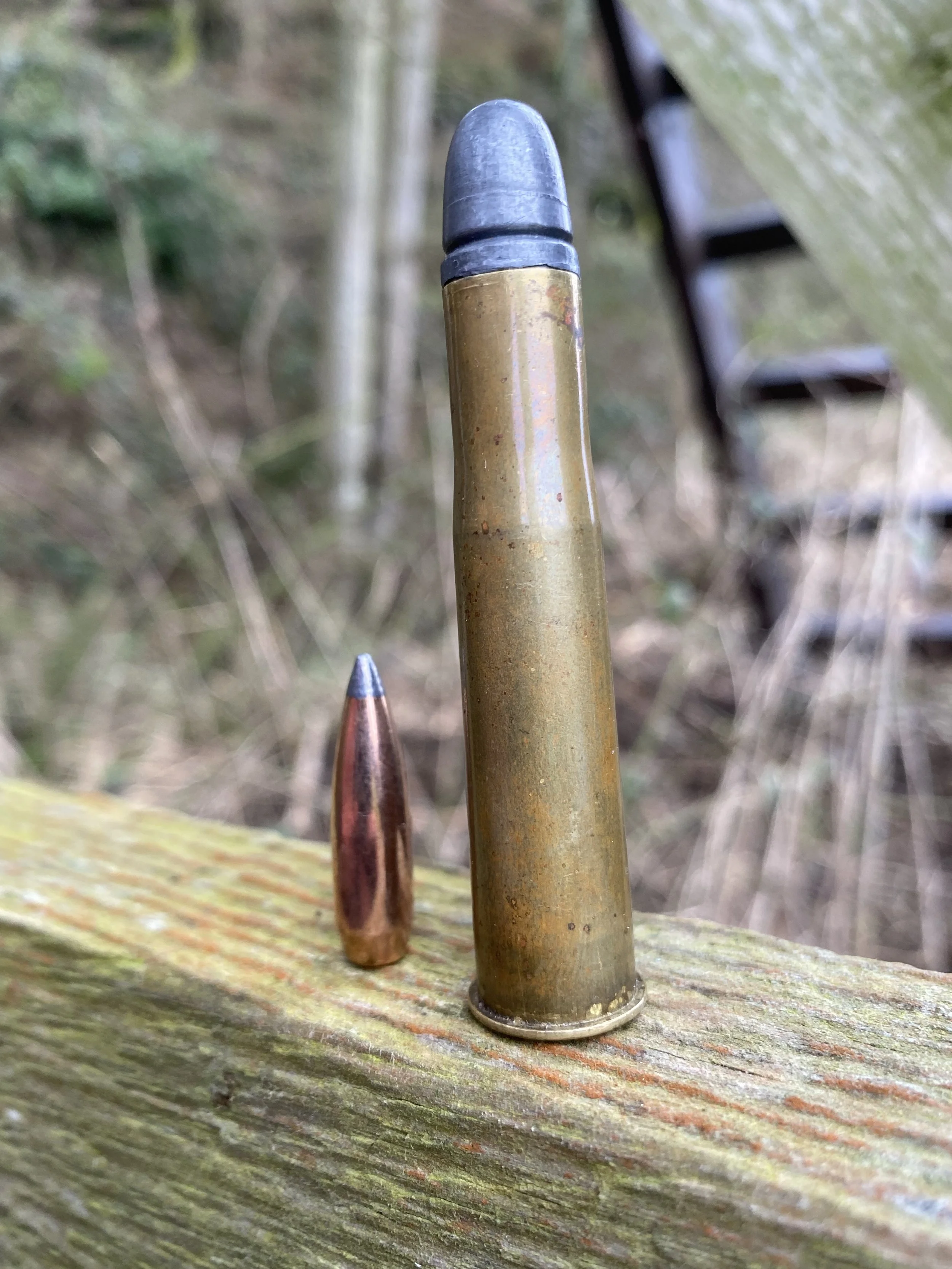
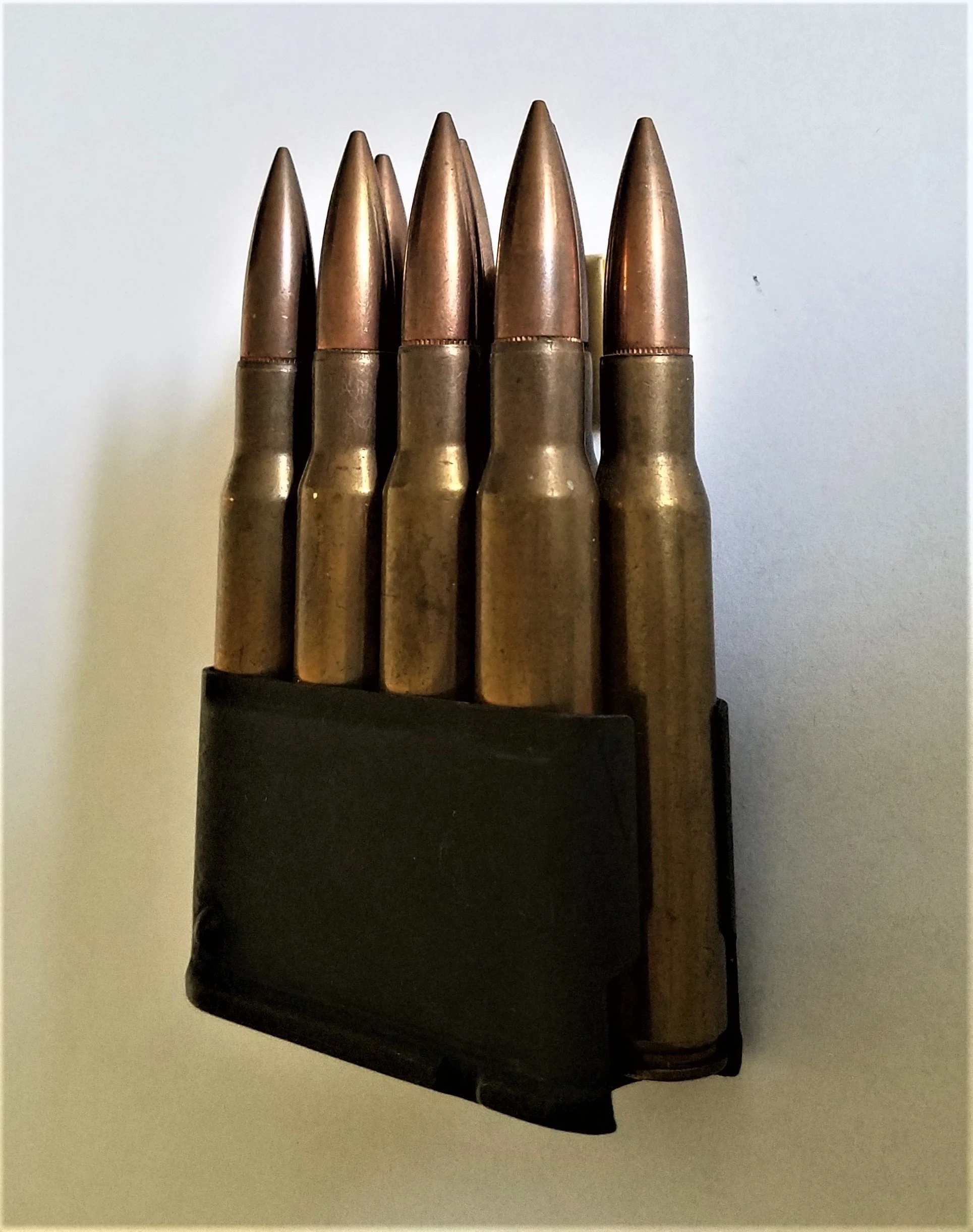
If the average American hunter heads out for a big game hunt, chances are he’s relying on the .30-06 Springfield to get some meat on the ground. Why? Well, because the ought-six has proven time and time again that it gets the job done -- reliably and repeatedly.
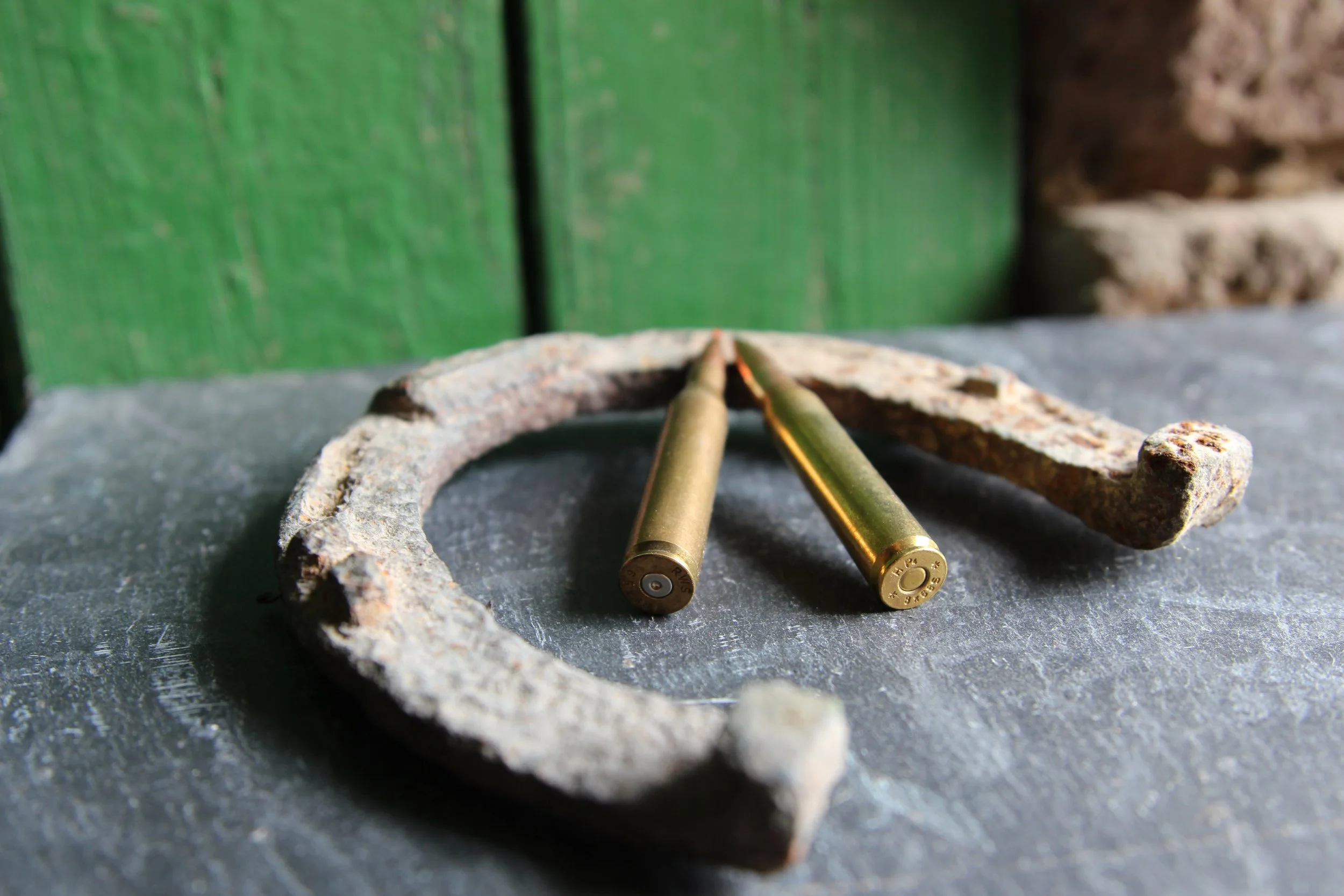
If his European counterpart picks his do-it-all rifle, he’ll choose the 8mm Mauser rifle every time.
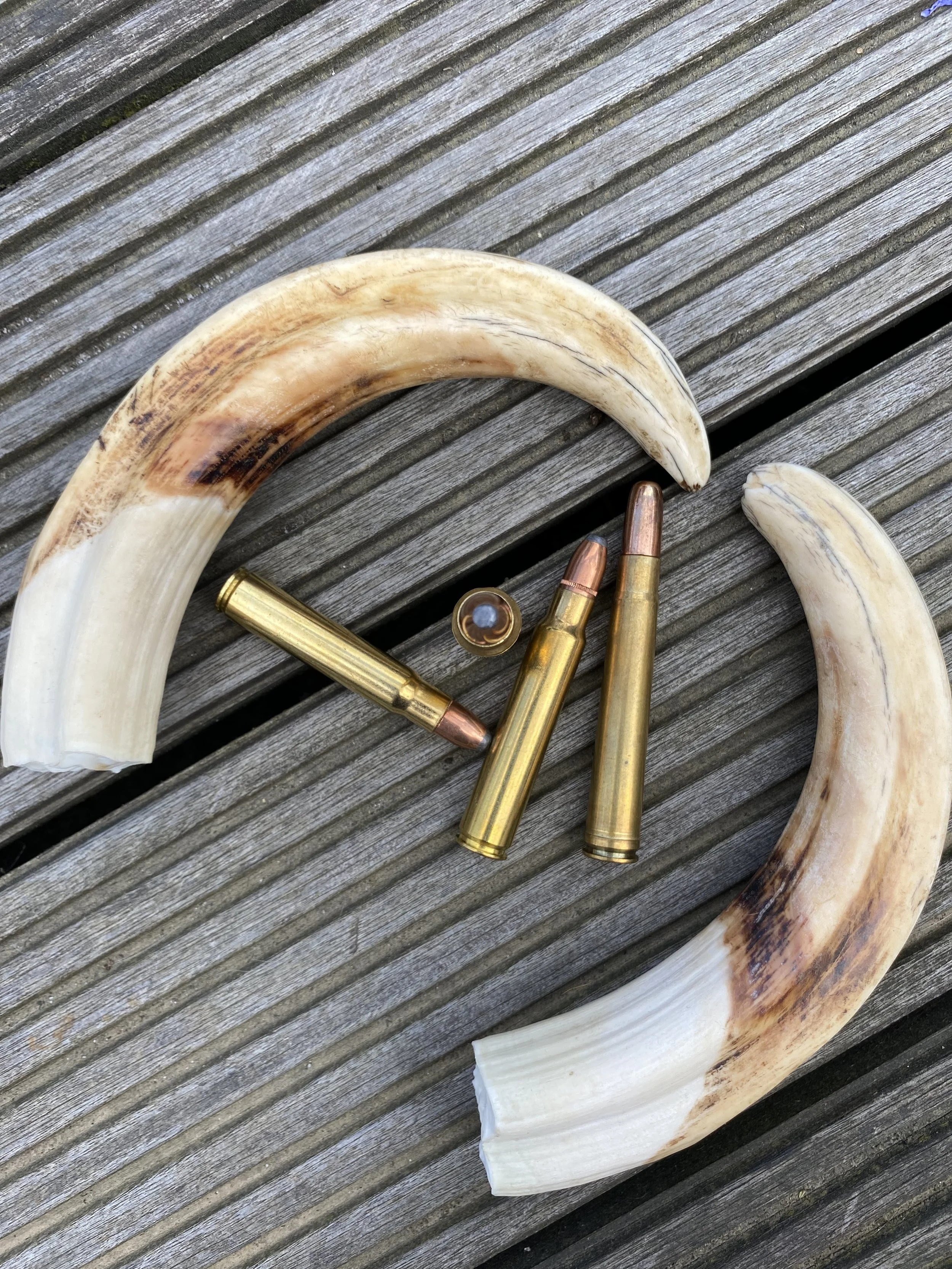
Since its introduction in 1912, the venerable .375 Holland & Holland has been the benchmark for all medium-bore cartridges. Its caliber is the minimum for dangerous game hunting in many African jurisdictions, and with adequate bullets, it’s a sensible choice even for elephant hunting.

Zeroing a traditional 30-30 load at 160-yards maximizes point blank range, but a 50-yard zero might be more effective in tight cover where shots are no farther than 120 yards. Sight-in high at 100 yards for most versatility.
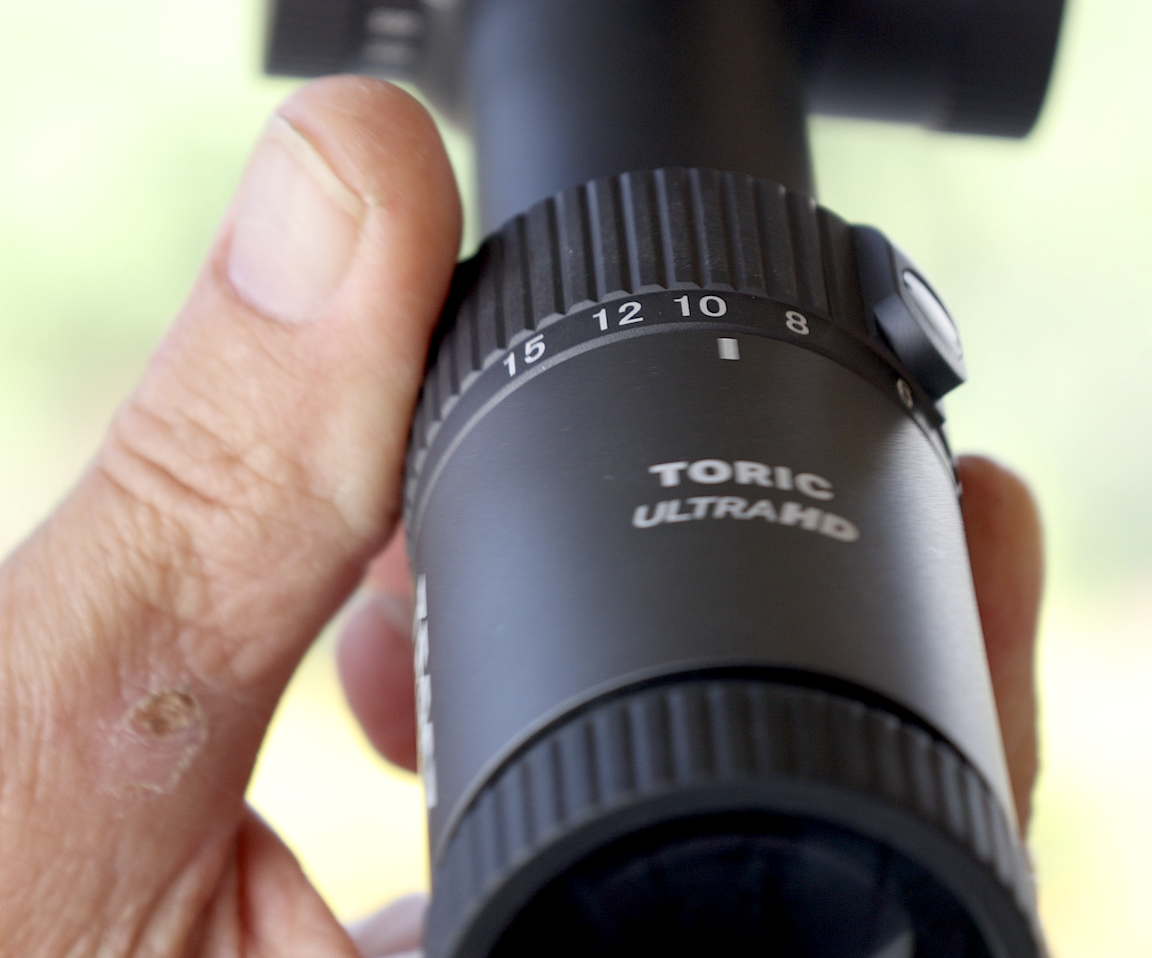
Tract Toric Ultra HD 2.5-15x44 FFP MOA scope earns 5 Stars. Sharp, bright, high contrast, precise, repeatable.


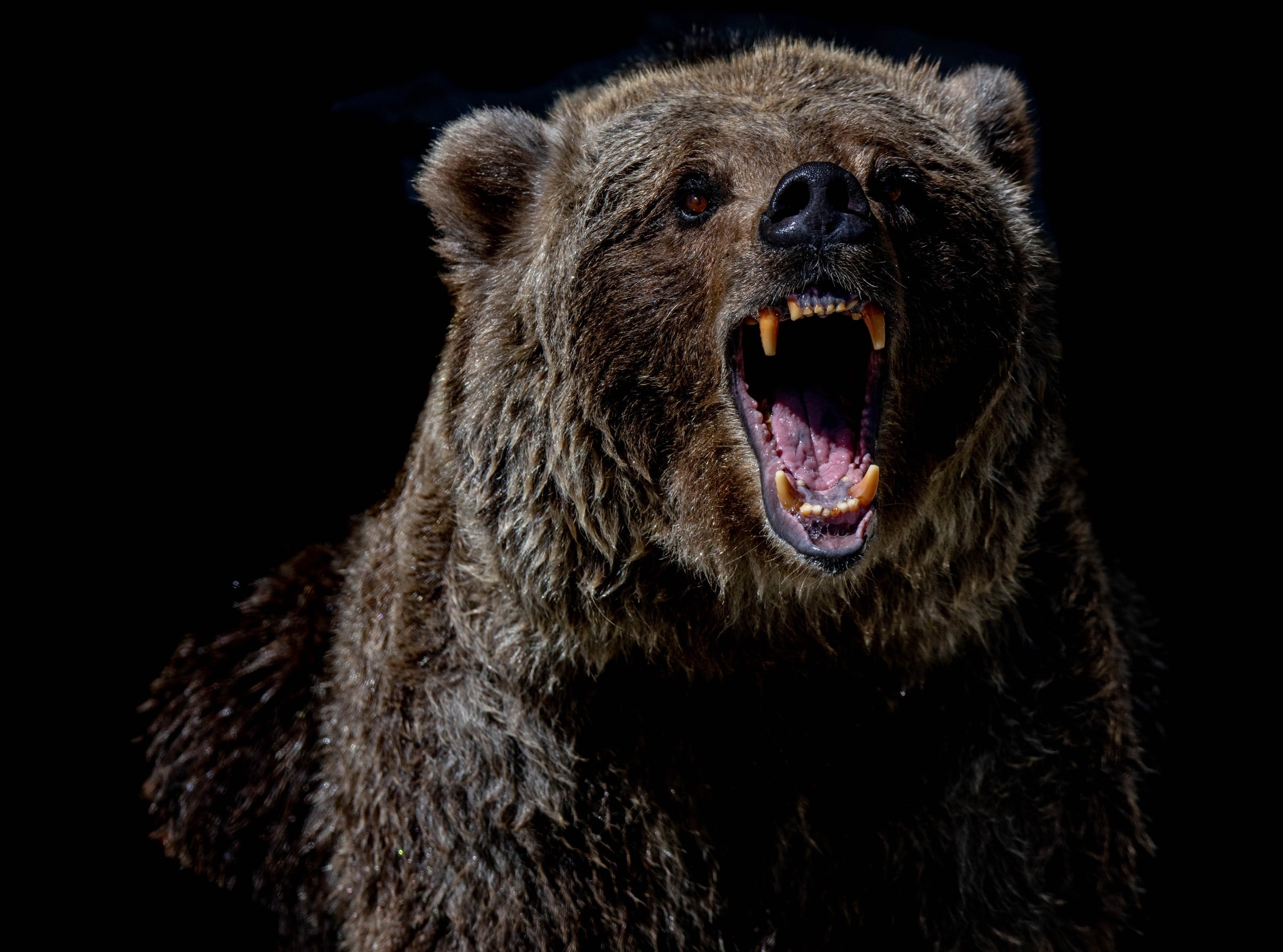
“Find me a good flapping scalp story,” I’d say to the Outdoor Life editors at many of our staff meetings. I meant, of course, a good bear tale where a grizzly or Alaska brown bear got the upper hand and chewed off the hunter’s scalp. During my tenure at Outdoor Life, I learned very quickly that our readers had a true love affair with bears, especially rogue grizzlies.
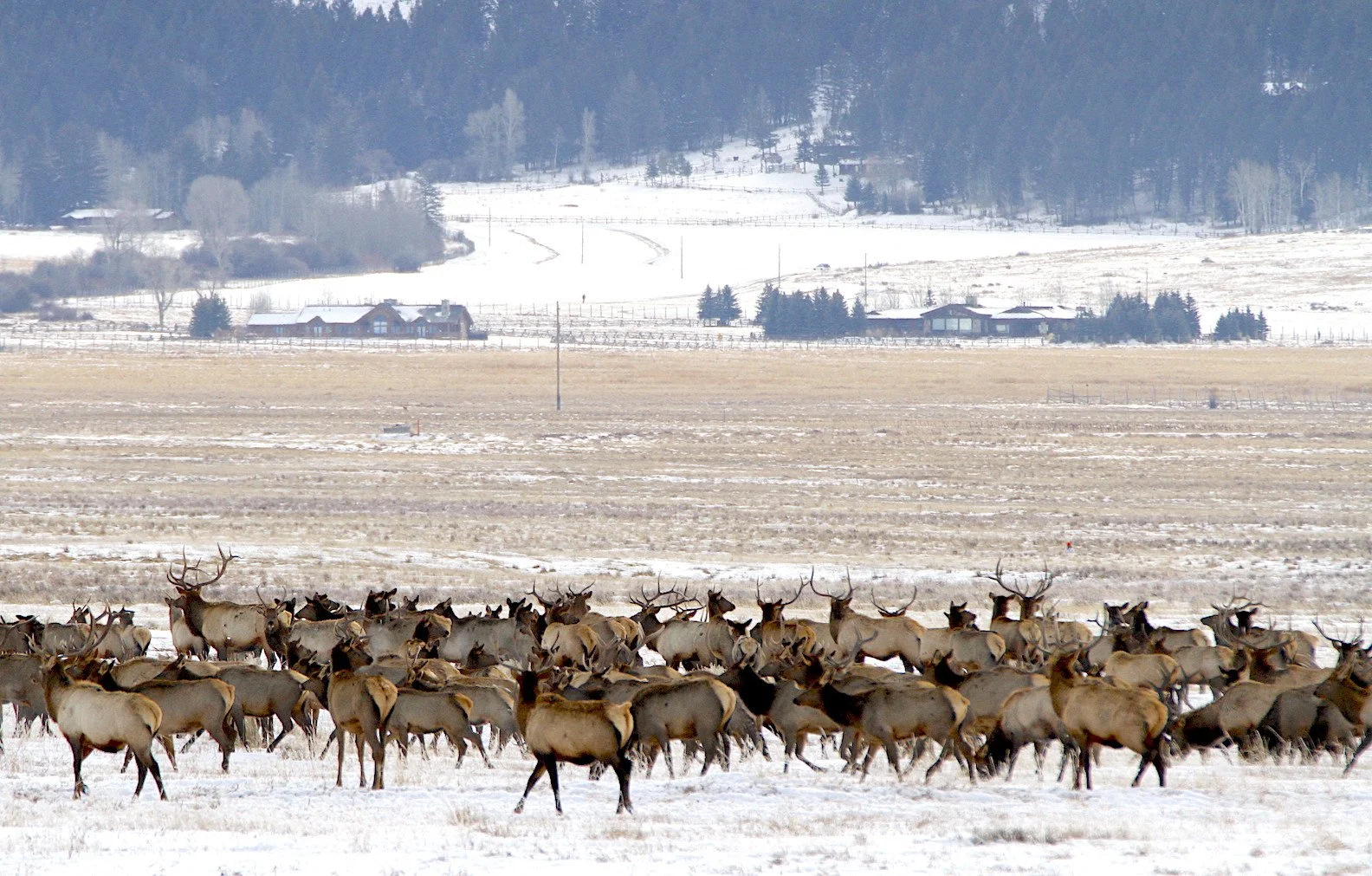
Baffin Island in the Northwest Territories can be downright mean to hunters. It’s cold, windy, and wet. Campfires are a luxury on Baffin. There are no trees, and the only vegetation is lichen and moss. The shoreline is a maze of ankle-twisting rocks. But the caribou hunting more than made up for the aches and pains in my body when I hunted there years ago.

Unfortunately, the recent black bear attack in northern New Jersey and the first fatal bear attack in about 150 years is an example of what happens when people panic and run scared. Perhaps this deadly attack might not have happened if the young hiker had been more knowledgeable about the dangers of encountering a wild animal.

“This was not the way it was supposed to happen. I hit the Cape buffalo squarely in the chest with a .375 Holland & Holland, a cartridge the size of a banana. Nyati was supposed to go down. He didn’t even flinch! In fact, the bull trotted off with his buddies.
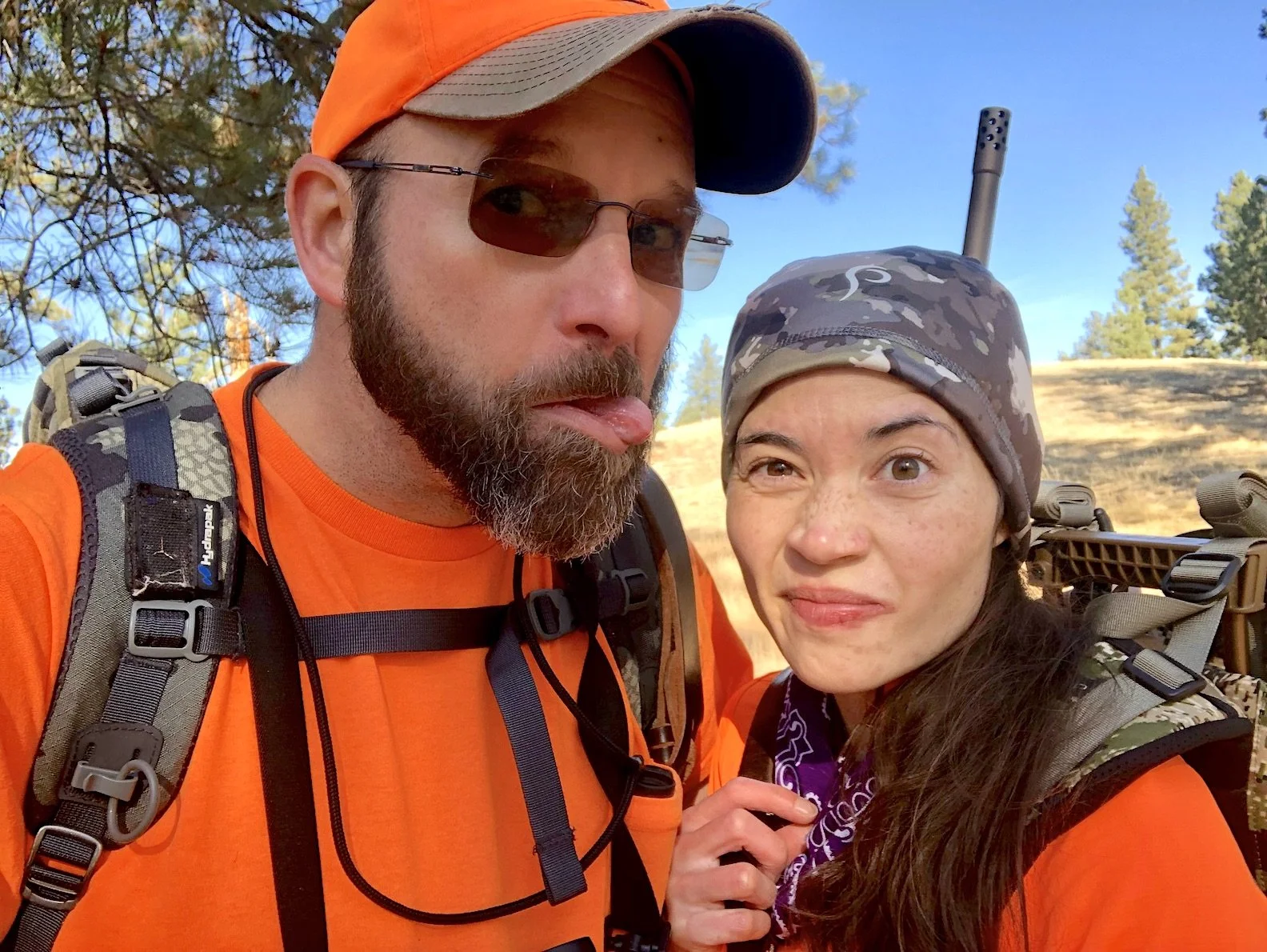
Hunting with your spouse is like day-to-day living as a married couple with the added challenge of surviving unpredictable Nature as well as one another — while trying to NOT screw up each other’s hunt.