
The Guns I've Loved and Lost
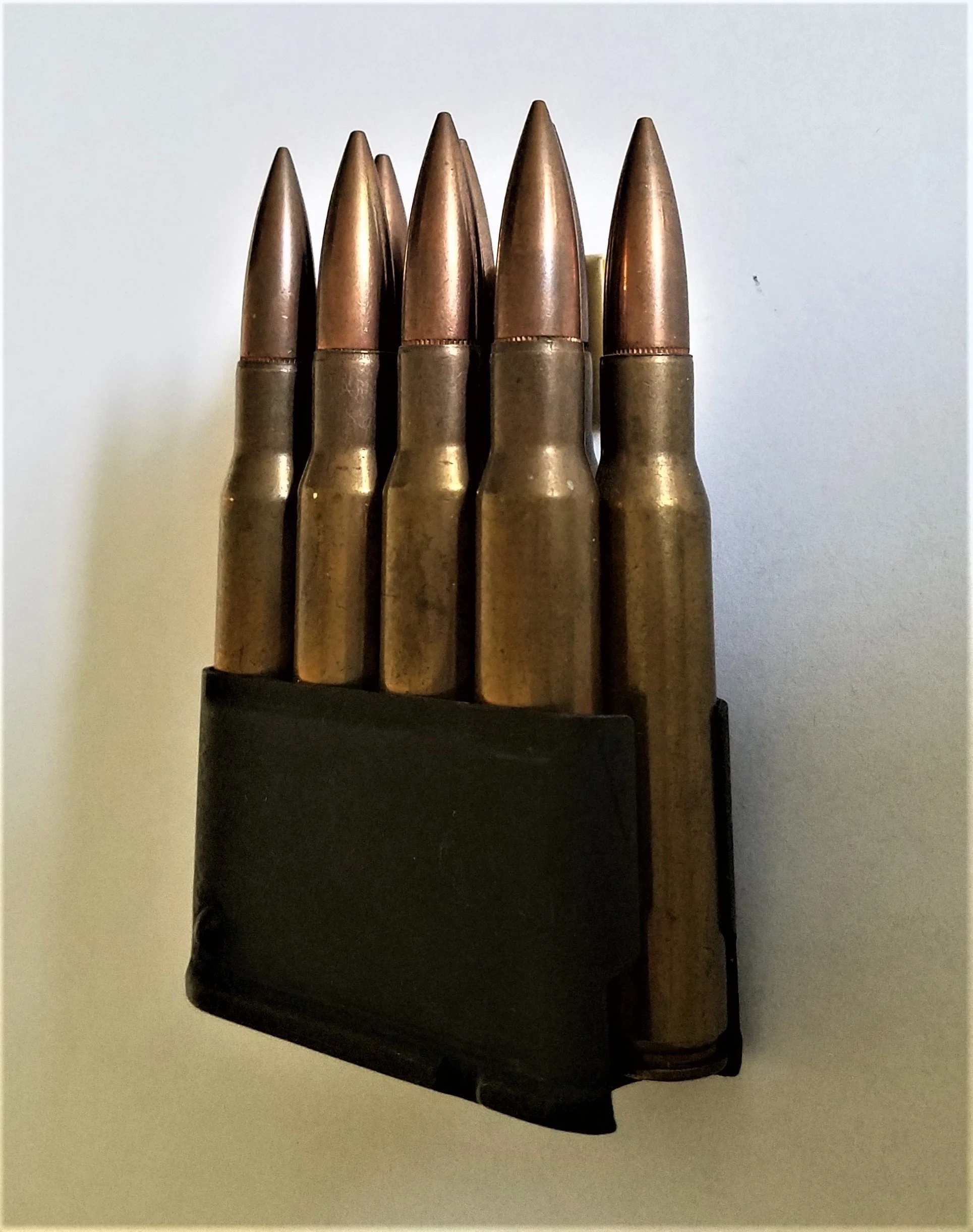
My good friend Ron Spomer recently read a letter on his website from a knowledgeable Army veteran explaining why the MI .30 carbine was one of the best rifles in World War II, Korea, and Vietnam. I agree, and with good reason. I served in the U.S. Army for two years in Germany. I was trained as a Combat Engineer, and, most of the time, I carried my 10-pound M1 Garand. Some days in the field, that M1 Garand felt like 25 pounds! I never saw combat, but I would have carried that Garand in the field. The M1 Garand was and still is a great rifle. That .30/06 with its 8-round clip was the rifle that won World War II. But it just weighed too much.
When the Army decided to make me a truck driver, I was given a choice of weapons. The Army had also trimmed me down to a fighting body weight of 140 pounds. That’s when I fell in love with the M1 .30 caliber carbine. At 5.2 pounds, it was half the weight of the Garand. Granted, the Garand was three times more powerful than the carbine, but with the carbine’s 15 or 30-round magazine, it was a proven combat weapon in three wars. I wish I still had the carbine I carried in Germany.
The late Bill Ruger must have known that many GIs like me fell in love with the M1 Carbine. Bill came out with the Ruger 10/22 in 1964, more than 50 years ago, and it continues to be a good timeless seller. It’s not a coincidence that the Ruger 10/22 looks like the M1 Carbine.
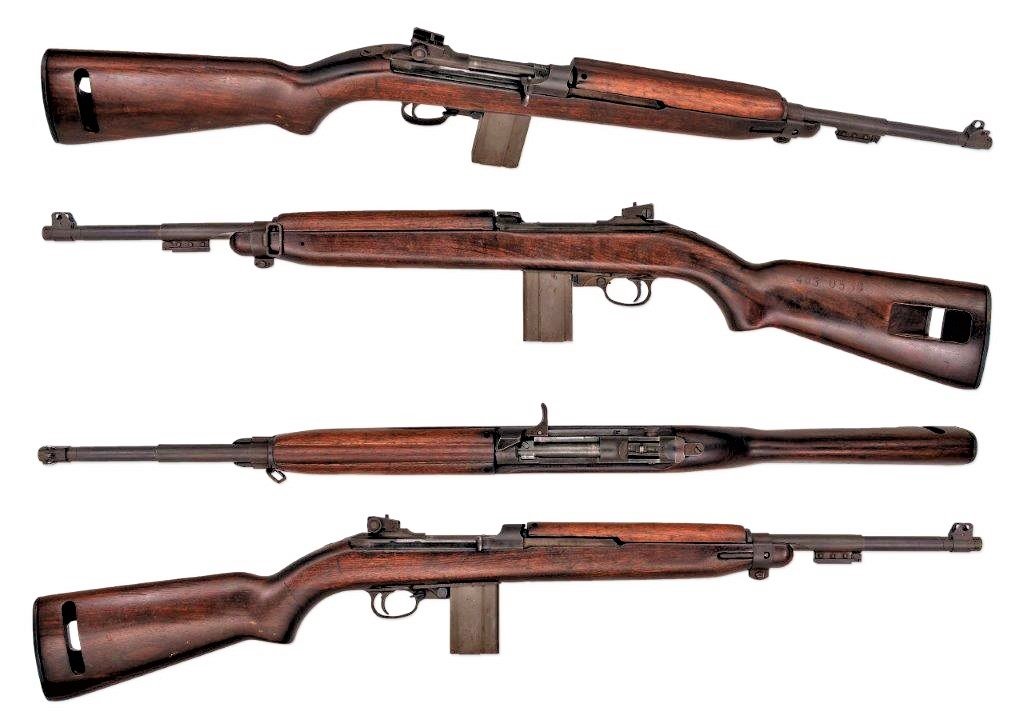
The M1 Carbine saw action in three wars: World War II, Korea, and Vietnam
There’s a great deal of nostalgia among gun owners. We continue to witness a return to guns of the past. Ruger recognized this many years ago with its line of single-action revolvers, and who would have thought hunters would continue to buy the beautiful Ruger No. 1, a classic single-shot rifle. The current resurgence of lever-action rifles is another example of romanticism among hunters. About a dozen new Marlin lever action rifles are on the market today.
That brings me to the reason for this article. It is with much regret that I no longer own and shoot some great rifles and handguns. Ron Spomer and I agree that we have owned beautiful guns, and sad that somehow we have sold or swapped in a moment of weakness. Many decades ago, I had a Stevens .22 single-shot bolt-action rifle. You cocked by pulling a plunger back. I grew up pretending it was my buffalo gun. Many tin cans and bottles met their maker with that Stevens. I swapped it for another gun. Stupid me!
I loved grouse hunting with my 20-gauge Ithaca, but I didn’t have dead birds in my game pocket. I had an old Colt .22 Frontier Scout single-action revolver in my game pocket. It went with me on all bird hunts. I couldn’t hit a tin can at 10 feet with those fixed sights, but it didn’t matter. I just liked having that little Colt with me. Regrettably, I lost that Colt in another gun swapping deal. I wish I had it back.
Speaking of bird hunting, I started out with an Ithaca Model 37 Featherweight, a 20-gauge pump. It had a red neon-looking sight and a corn-cob-looking fore-end. I can’t recall the weight, but I could hunt the thick grouse woods of New York all day with that Ithaca and never get tired of carrying it. The Ithaca must have weighed about five pounds. I recall trading it for a heavy 12-gauge clunker because I wanted to hunt deer—another bad gun deal.
My next bad gun deal was my Savage Model 99 lever action in .358 Winchester, a great caliber that never had a chance when some gun writers didn’t like it, which I could never understand. I rigged my Savage 99 with a removable Griffin & Howe side mount. I could slide off my scope and use my Lyman aperture sight. Aperture sights have always been my choice for a fast iron sight and are perfect for thick timber hunting. To this day, I cannot understand why I lost that great deer rifle in a swapping deal. I wish that Savage was back in my gun rack.
Maybe it’s time to realize that I don’t need all those guns, but I wish I had them back, along with that deadly .22 Hornet I used on woodchucks or that Winchester 94 that I always carried when building my tree stands. These days, I now carry my old Marlin Mountie 39A, a .22 lever action, which I will never sell or swap for another gun. I like walking in the woods with a rifle or maybe with a little .22 Colt Scout single-action, even if it doesn’t shoot straight.
I get a lot of gun magazines, and I see a trend back to some of these old rifles and handguns. The ads in these magazines are full of ugly rattle-trap military-looking rifles and handguns. Not a piece of wood on them! I agree that they are more accurate and durable in the field, but they don’t bring me back to the days of beautiful rifles and shotguns. I confess that I have always harbored a desire to hunt deer with a double-barrel rifle .30/06. If I find one, I probably couldn’t afford to buy it. But I’m no longer swapping any of my guns. Maybe.
Check Out Vin T. Sparano’s Books