

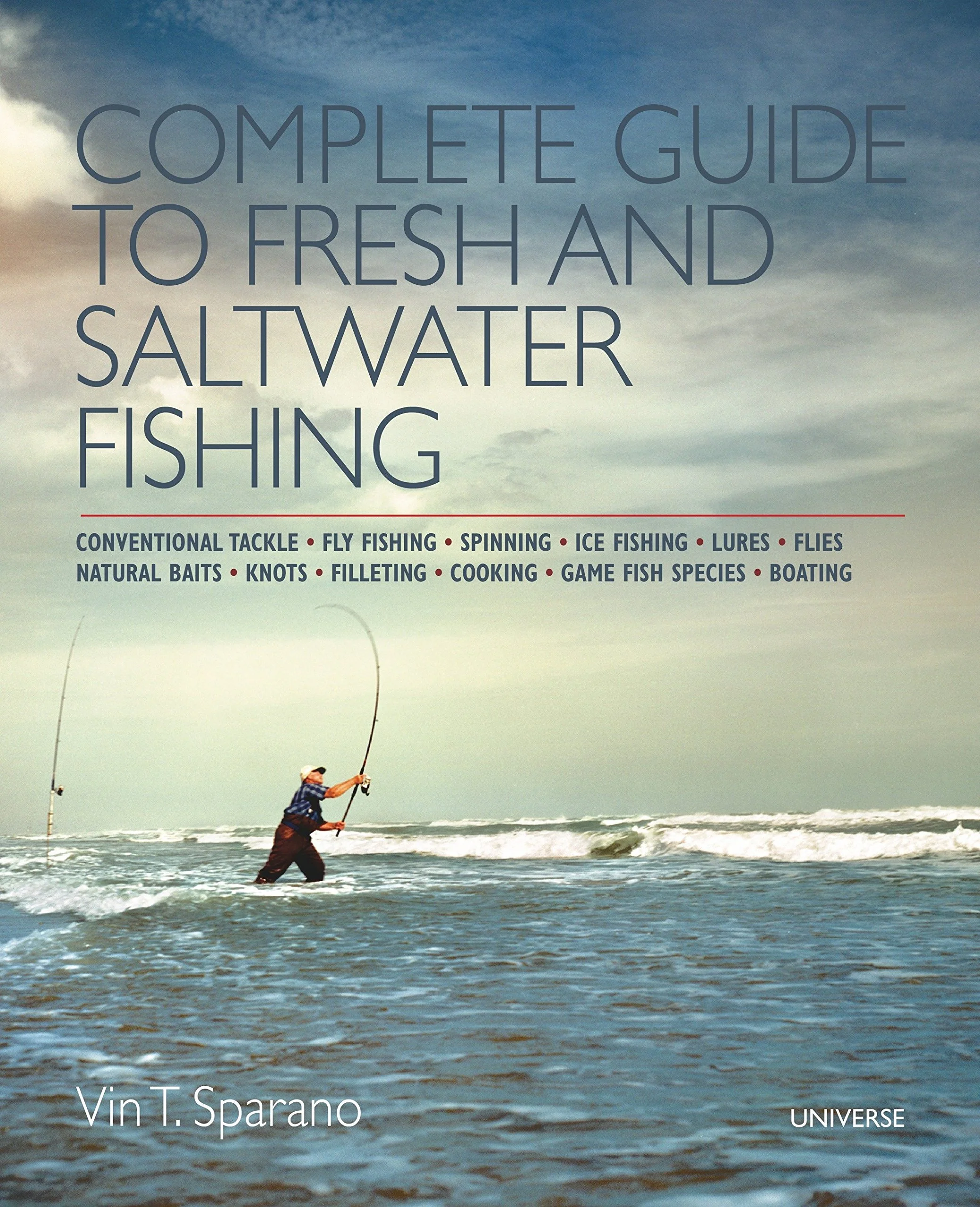
For more fishing stories and tips from Vin, check out his Complete Guide to Fresh and Saltwater Fishing.
I want to share a story with you. Years ago, two of my hunting and fishing buddies hiked out of the Montana mountains after five days of elk hunting. They did not get an elk. They also lived on the usual camp fare of beans and whatever light food they carried. When they reached their camper, they drove to a small lake stocked with rainbow trout. This area had been designated fly-fishing only. The regulations stated that they could catch and release trout, but they had to limit their kill to one fish no more than 20 inches in length.
One of my buddies spotted a trout feeding on the surface and began casting to it. He hooked and landed the trout nearly an hour later and several fly changes. It was a giant rainbow measuring 25 inches and weighing about six pounds. They thought about releasing the fish, but their stomachs forced them to reach another decision. They decided to eat the trout for dinner.
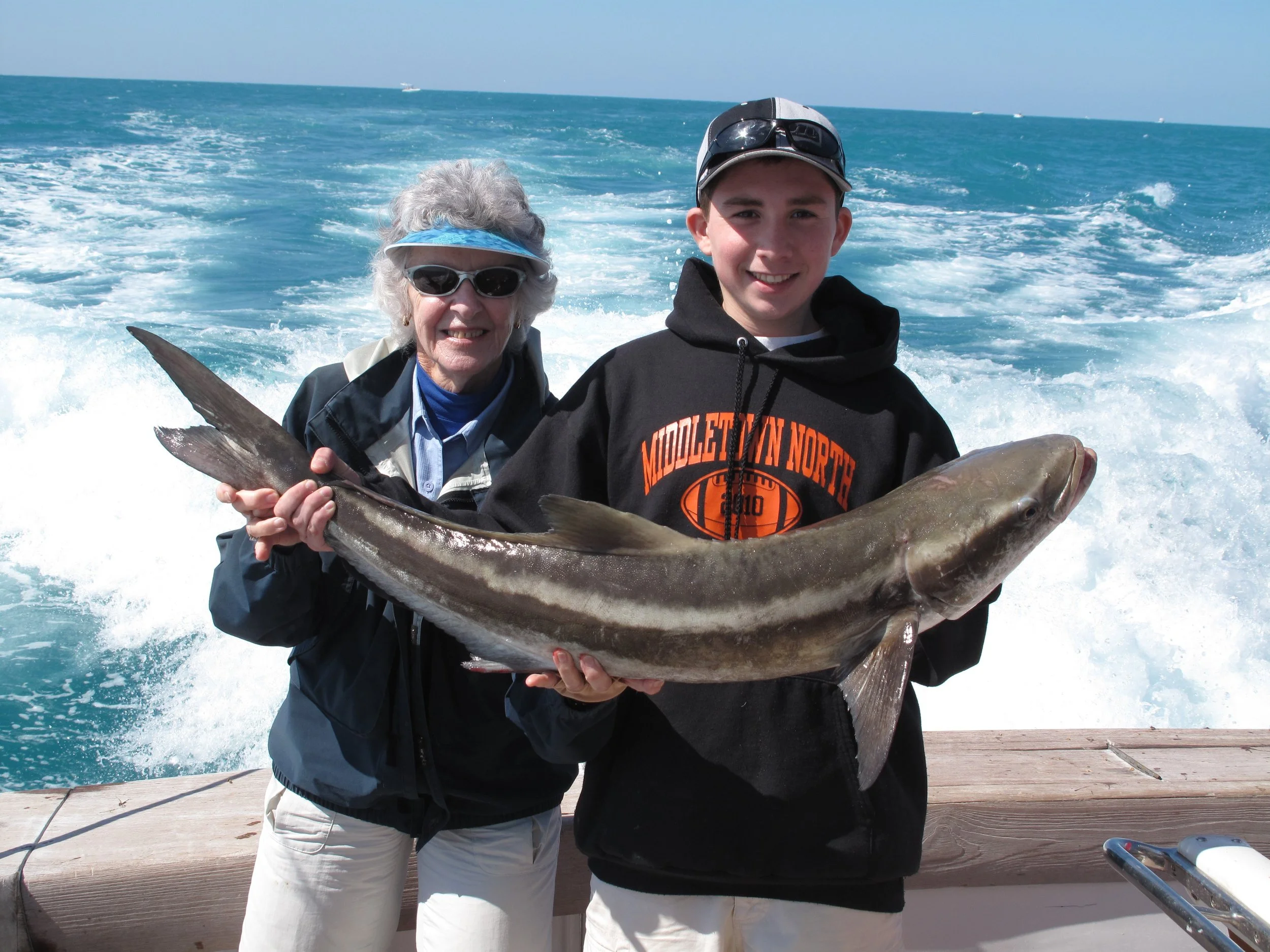
Cobia is one of many species with healthy populations. Steven Sparano and fly fishing legend Joan Wulff with Steven’s good-size Cobia. Grilled or deep-fried, Cobia are firm-fleshed and excellent eating.
Another fly fisherman watched the trout being caught and walked over to admire the big rainbow. “It will make a beautiful mount,” he commented.
“I’m not getting it mounted.” my buddy said. “We’re having it for dinner.”
According to my buddies, the stranger went nuts, berating my friends for killing such a fish. He accused them of unsportsmanlike behavior. A heated exchange of words followed. The incident soured what should have been a great trout dinner in the mountains.
If you are wondering why this angler did not object to killing the fish for a wall mount but lost his composure when he learned the trout was headed for the skillet, you are not alone.
Neither my buddies nor I can fathom the philosophy of this angler. Aside from the fact that this was a hatchery fish and a renewable resource, making the trout even more of an acceptable candidate for dinner, my buddies were still perfectly justified in killing this trout for dinner.
I’m a strong advocate for catch and release, but I also like to eat fish. The decision to kill a fish is strictly a matter of judgment, based on knowledge and a good dose of romance.
If a fish has given you a good fight, you may decide to give it back its life. Release the fish gently with a few kind words, so later it can excite another angler. The late Lee Wulff said it best: “A fish is too valuable to be caught only once.”
But if the species is plentiful and you want to enjoy a fish dinner with family or friends, you should feel no guilt about bringing it home on ice or enjoying a memorable shore lunch.
However, if the species is in trouble, you owe it to the resource to be morally responsible for your actions until the resource responds to management and conservation efforts.
All billfish, for example, should be released. There is no reason to kill a marlin or sailfish. The same goes for bonefish and tarpon. Kill tournaments are no longer in vogue. In some tournaments, returning to the dock with a dead billfish will get penalty points.
Several years ago, I tried to initiate a program to get all anglers to release one fish every time they went fishing. There are approximately 60 million fishermen in the United States. If they all go fishing once a year and release one fish, that’s 60 million fish going back into our waters. I won’t even venture a guess as to what those numbers might be if those 60 million fishermen fished more than once a year.
I’m not suggesting that you fish all day and go home to a baloney sandwich. When you catch fish from healthy stock, take it home and grease the skillet. But I also urge you to give my program a chance this season. On your next trip, release just one fish unharmed. You will feel pretty good about it, too. And baloney sandwiches really aren’t that bad!
Check Out Vin T. Sparano’s Books

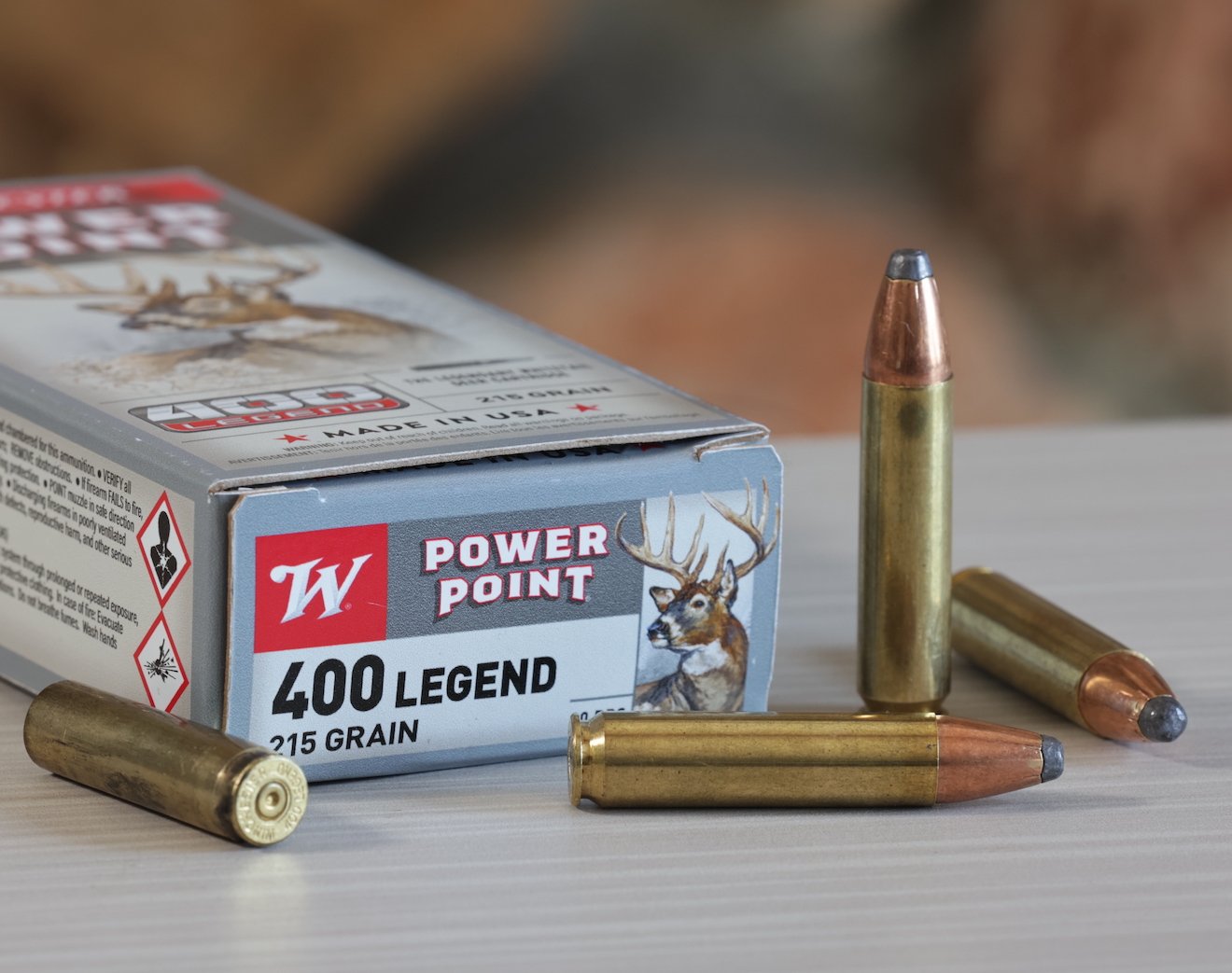
The new Winchester 400 Legend straight wall cartridge matches 30-30 Winchester performance but is legal in straight wall cartridge states.

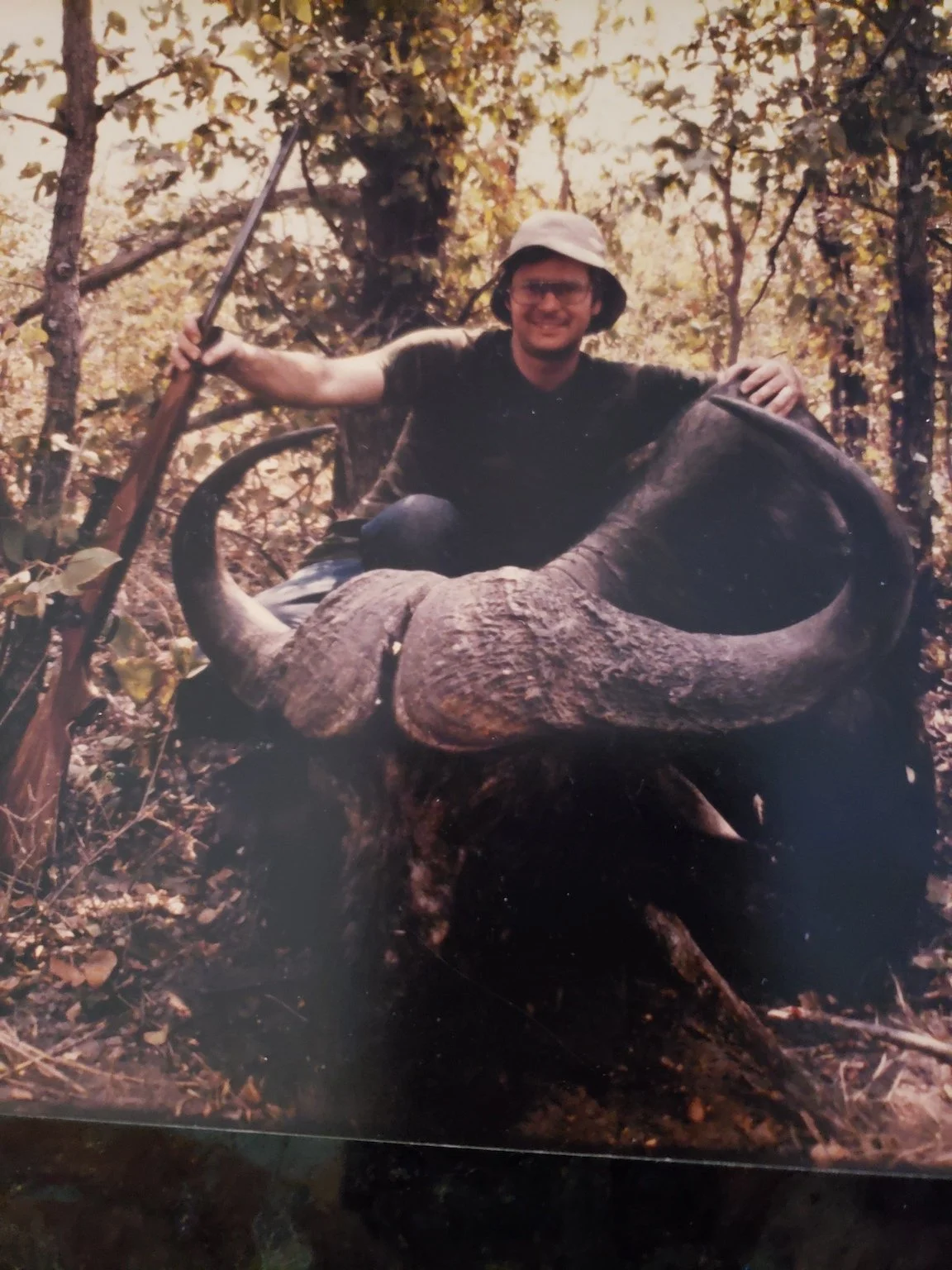
Stalking cape buffalo on the naked plains of Mozambique’s Zambezi Delta leads to food for local villagers and more wildlife across the hunting block.
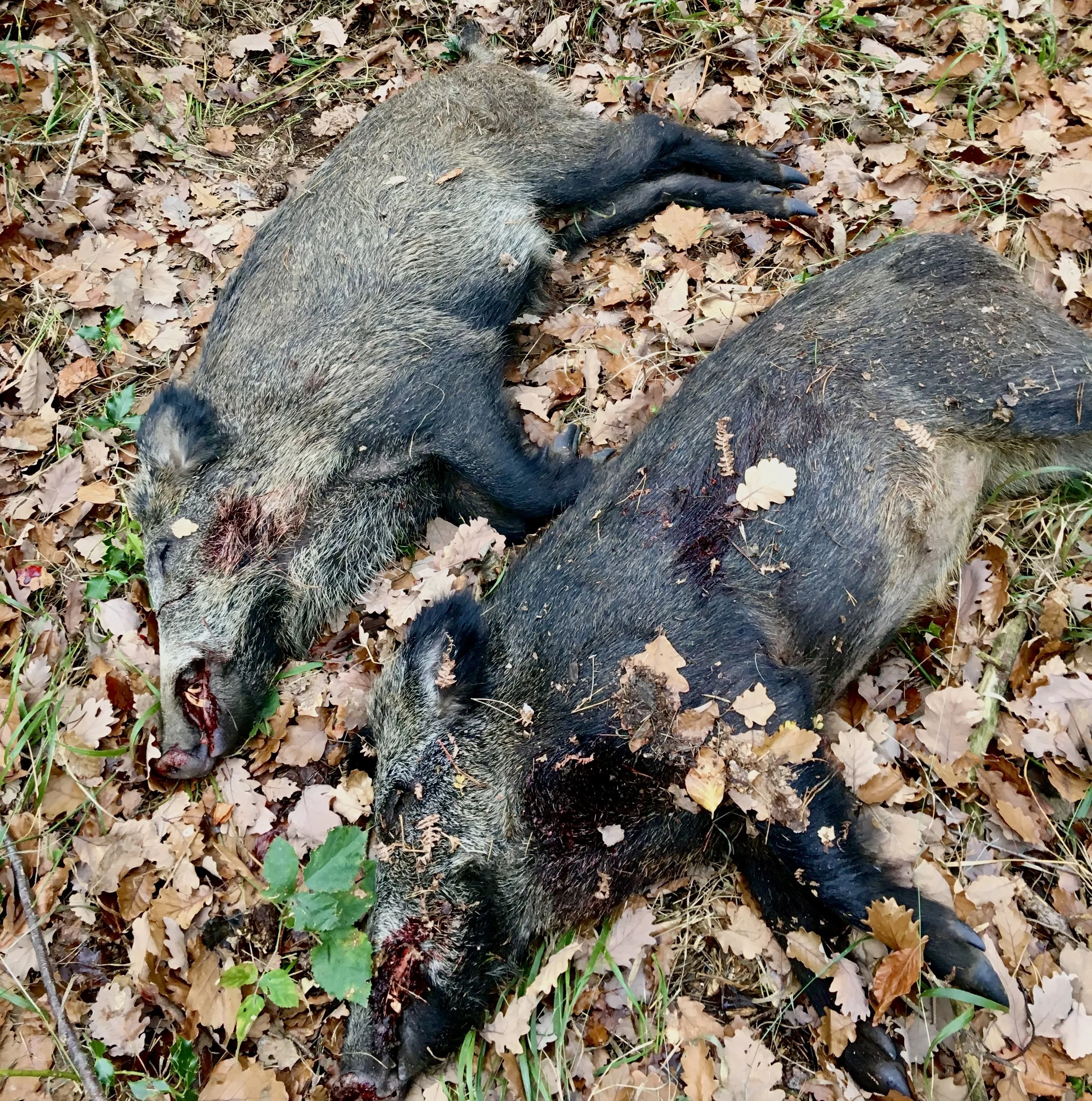
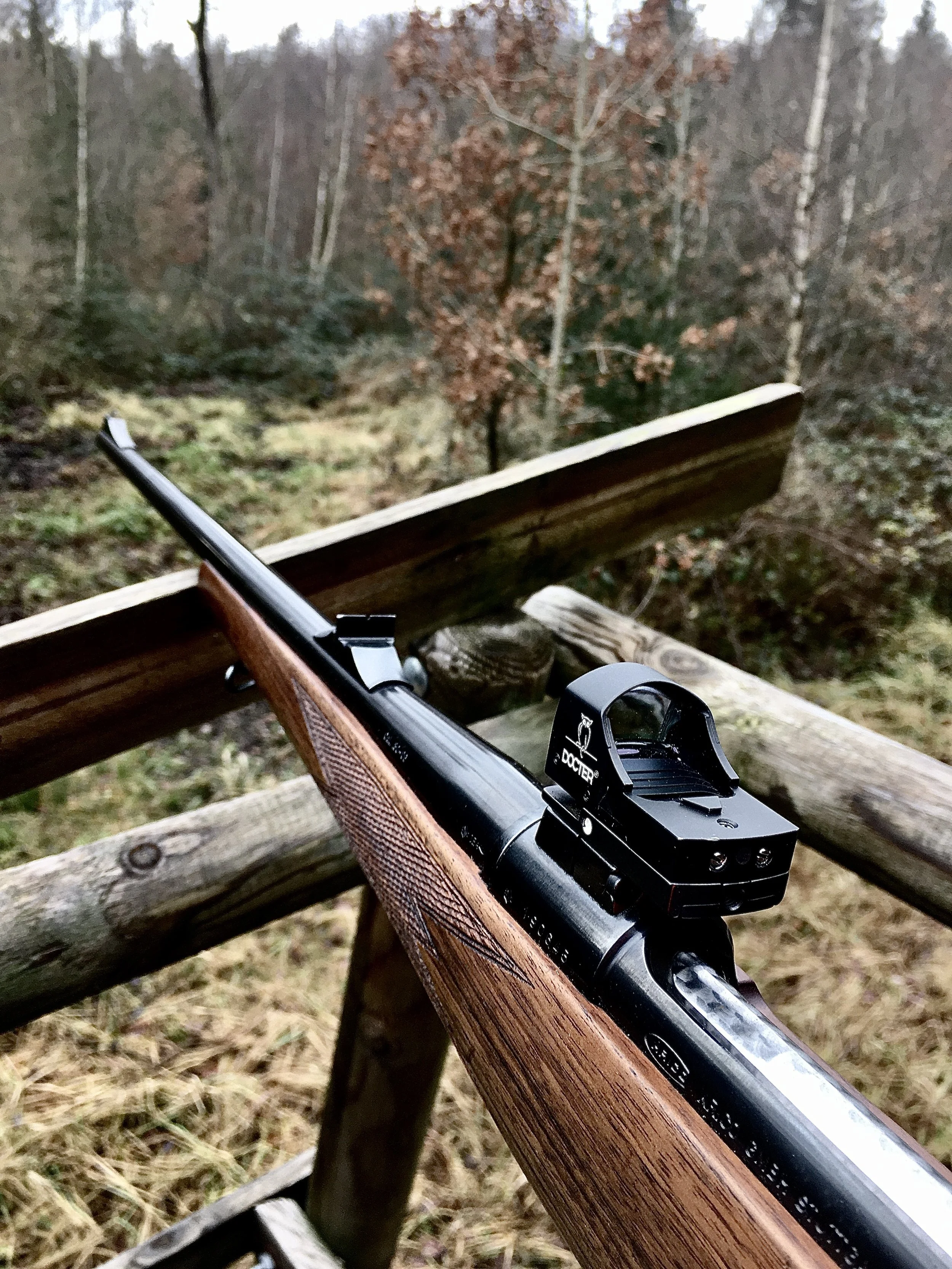
Being as stealthy as possible while moving through hunting grounds is essential. If you're still trying to hunt through potential bedding areas, closing in on game you spotted from afar, trying to sneak to your tree stand for a sit, or you're tracking bucks as they do in New England, every noise you make is too much.
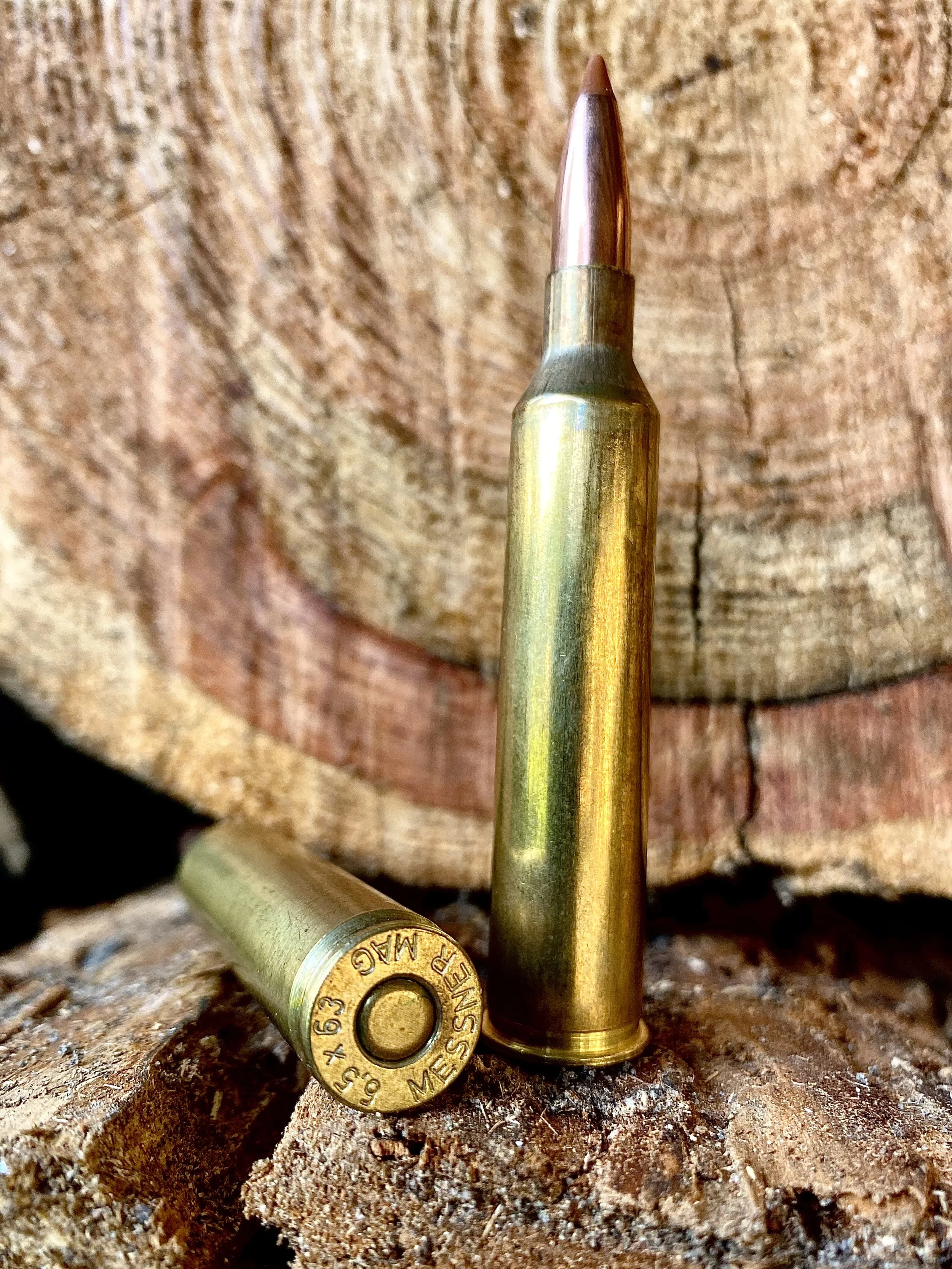
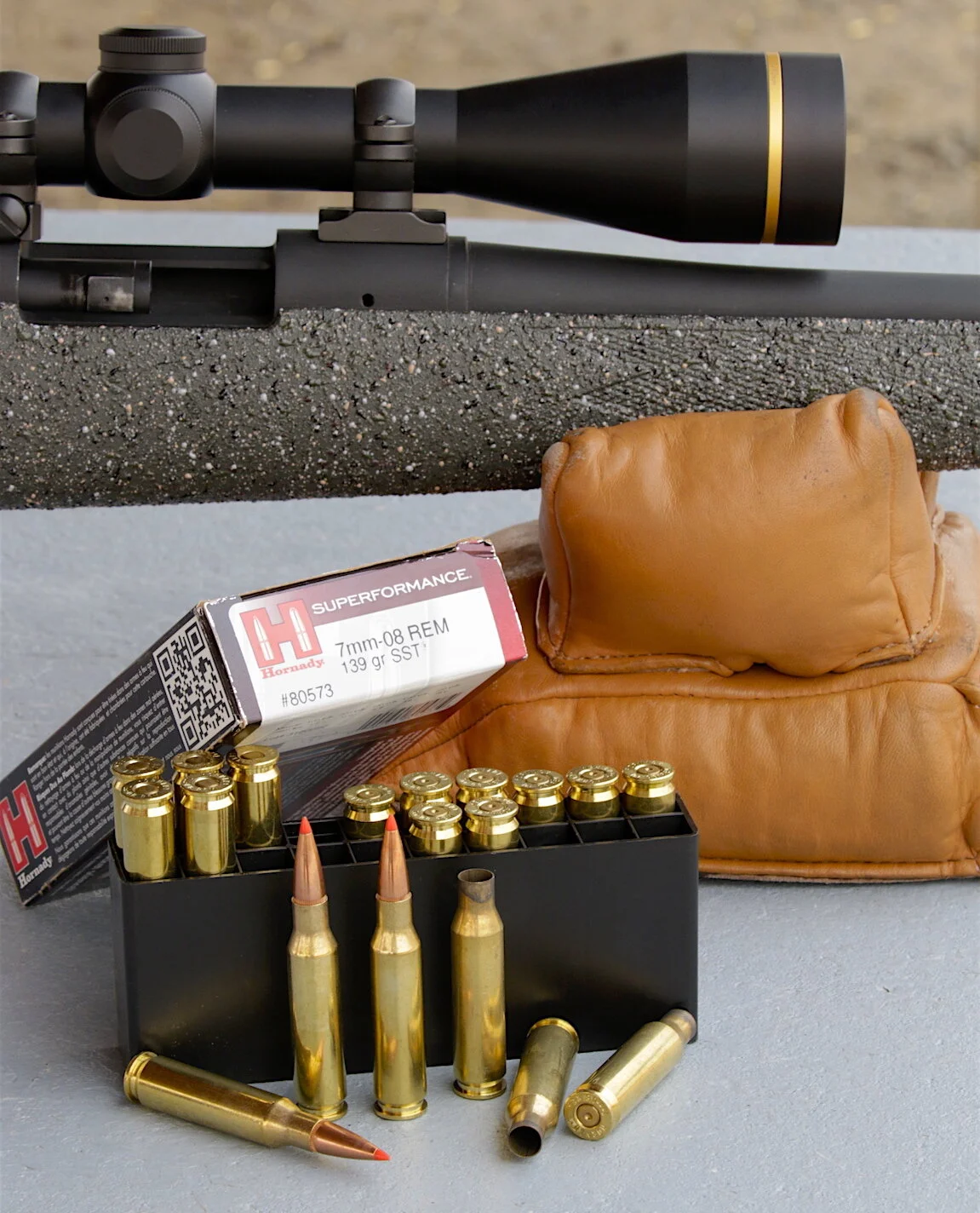
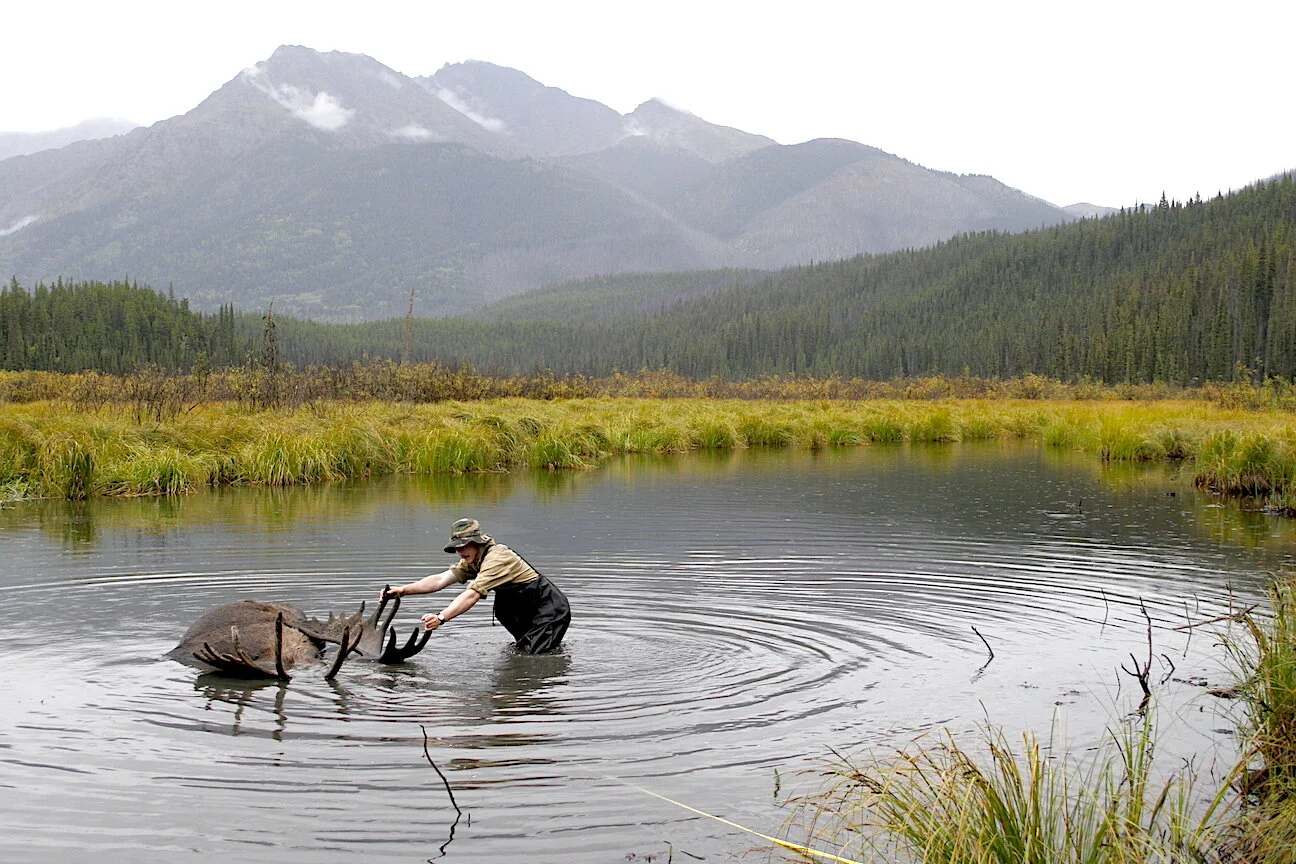
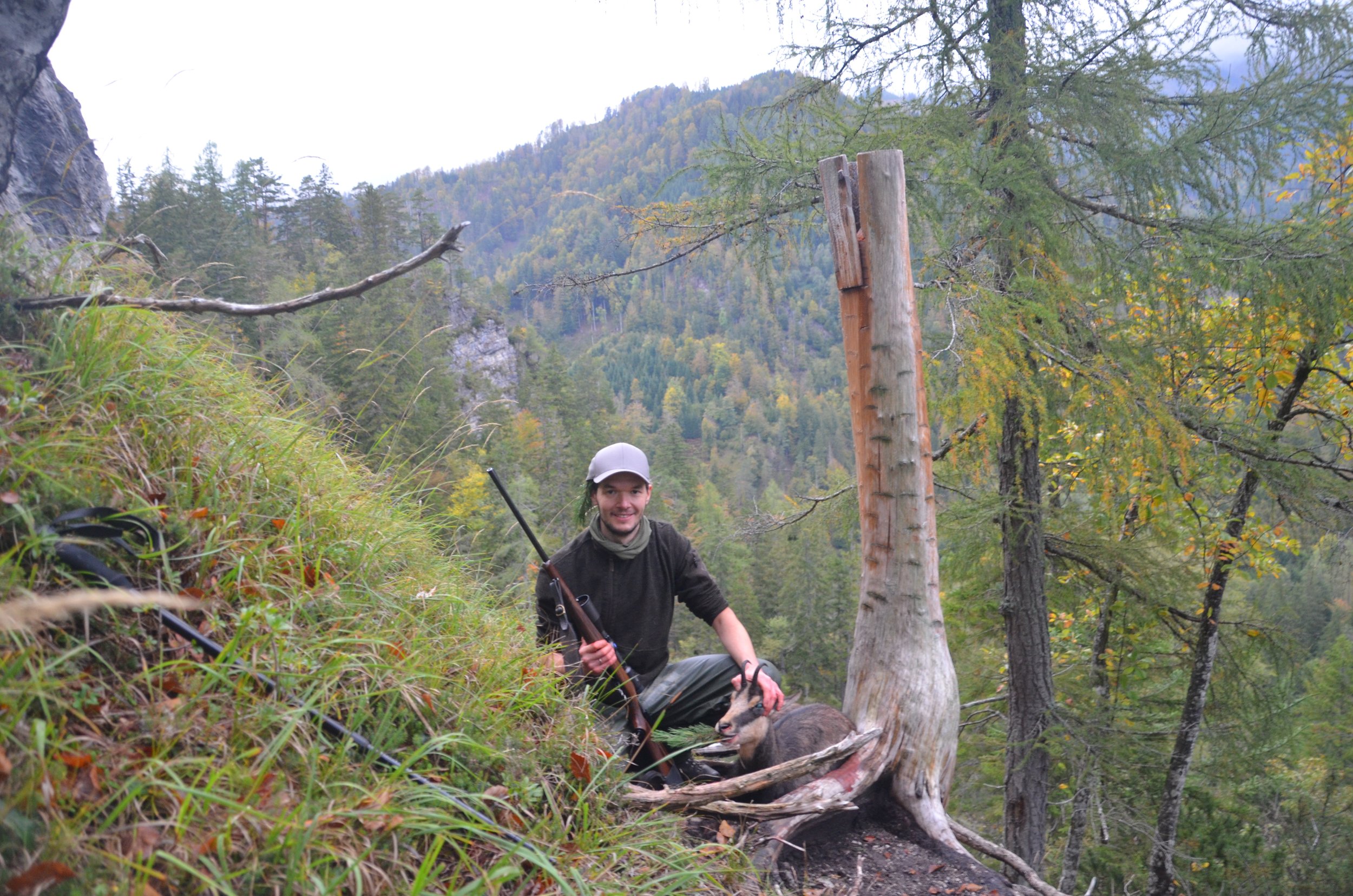
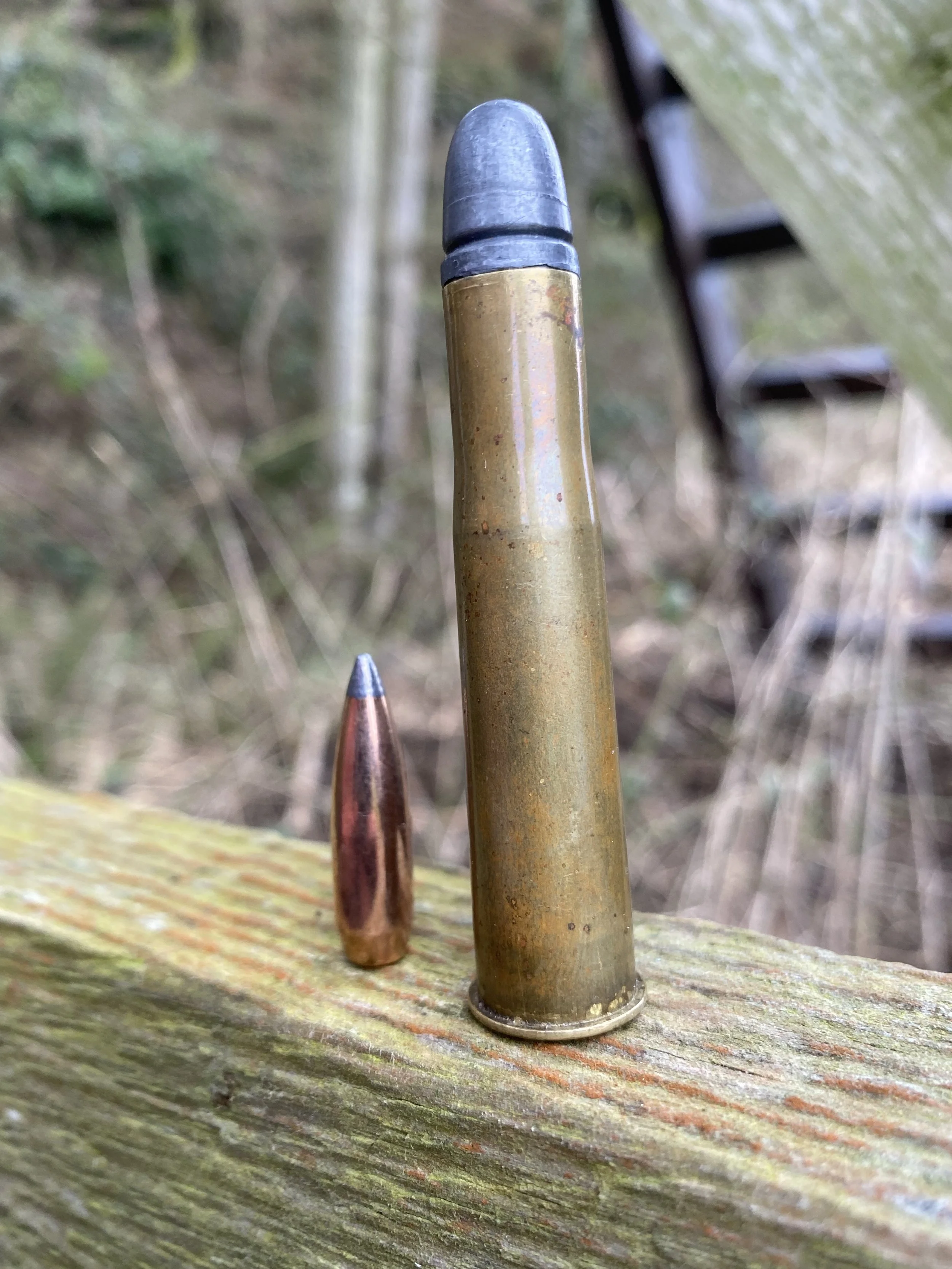
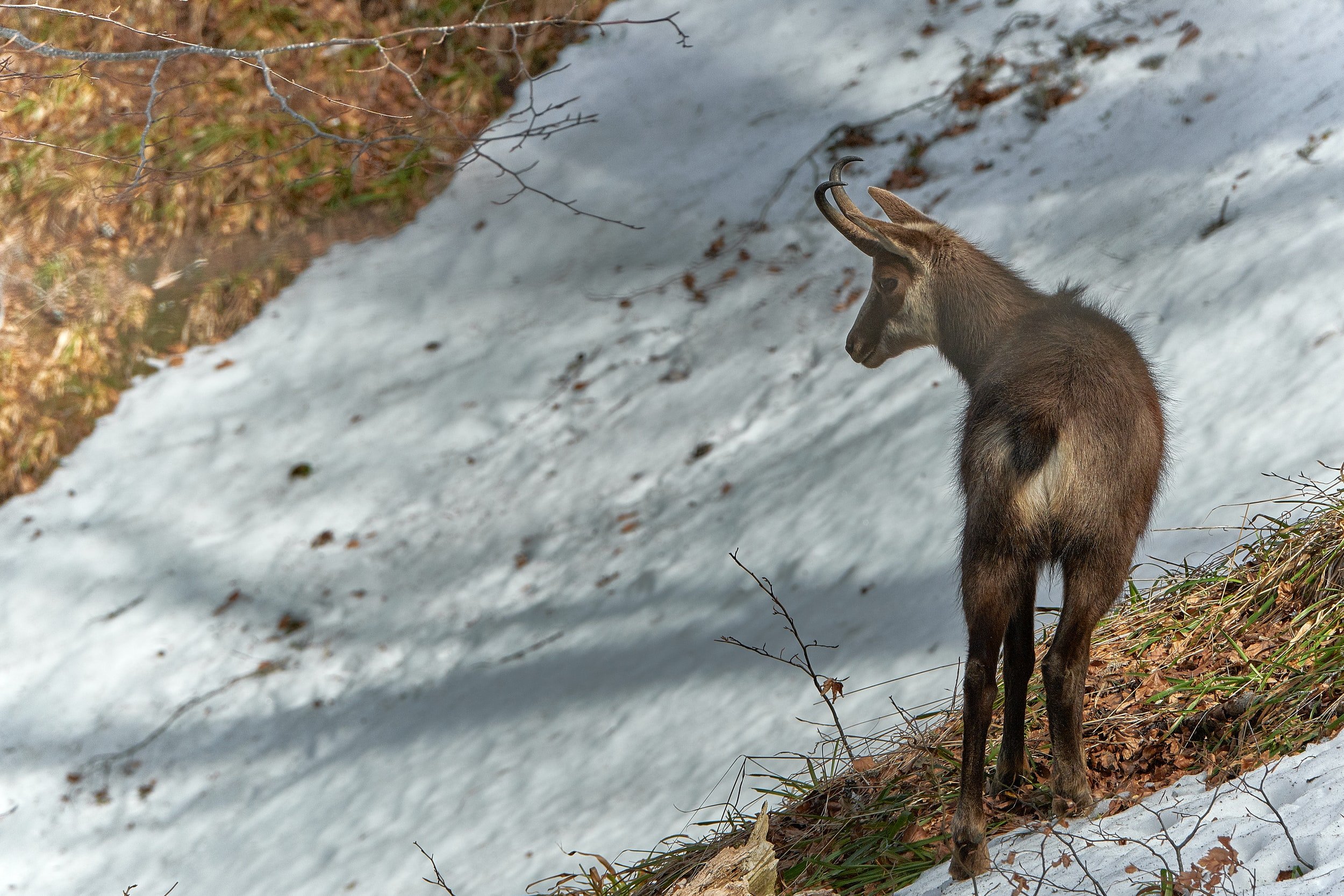
They start from the base, rising with bumps, bruises, and little rings. At last, they turn back, bending to form a bow. With their thick bases, a pair of them sits atop a white face with dark, lengthwise stripes. Every European mountain hunter dreams of this trophy -- the horns of a chamois.
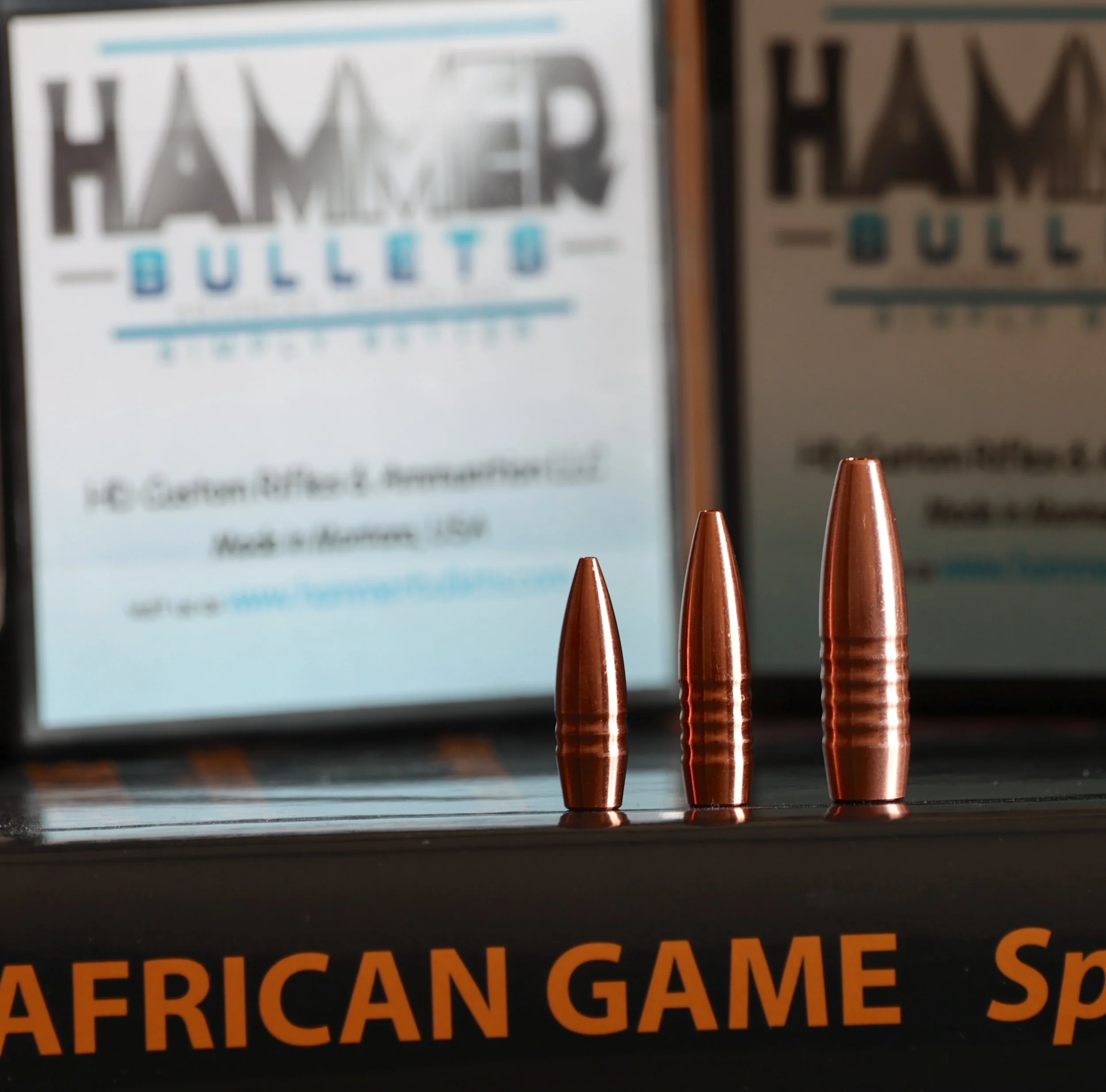
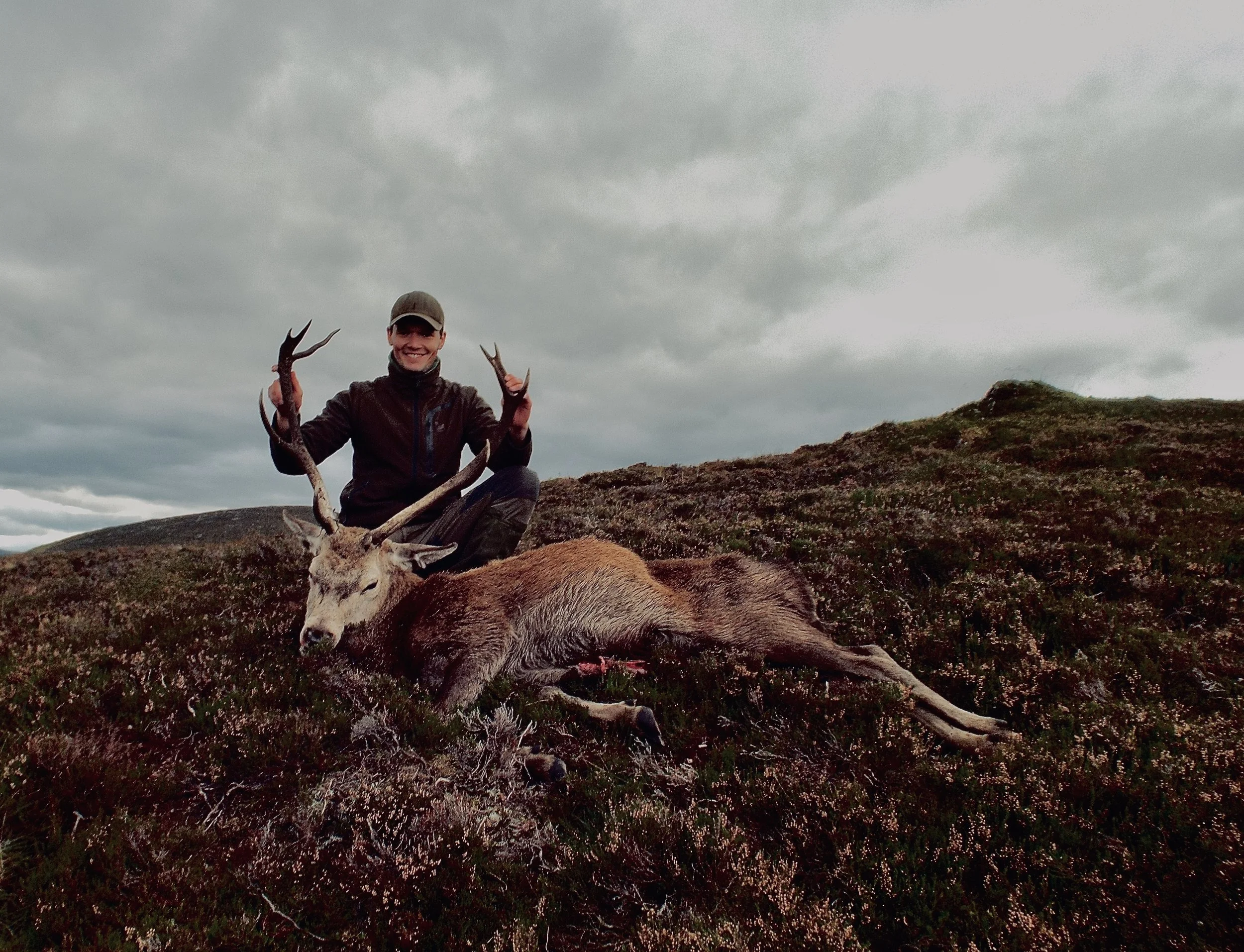

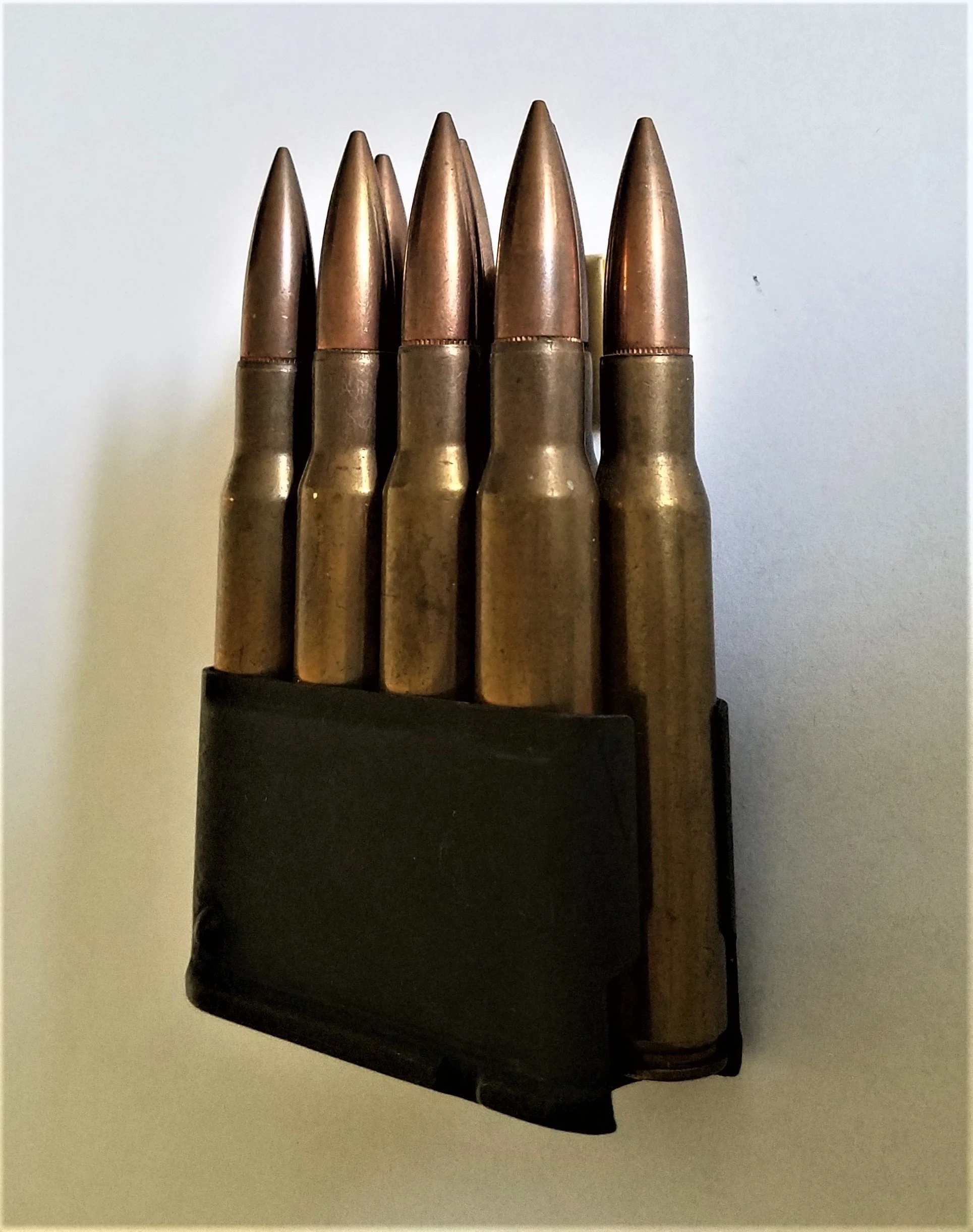
If the average American hunter heads out for a big game hunt, chances are he’s relying on the .30-06 Springfield to get some meat on the ground. Why? Well, because the ought-six has proven time and time again that it gets the job done -- reliably and repeatedly.
If his European counterpart picks his do-it-all rifle, he’ll choose the 8mm Mauser rifle every time.
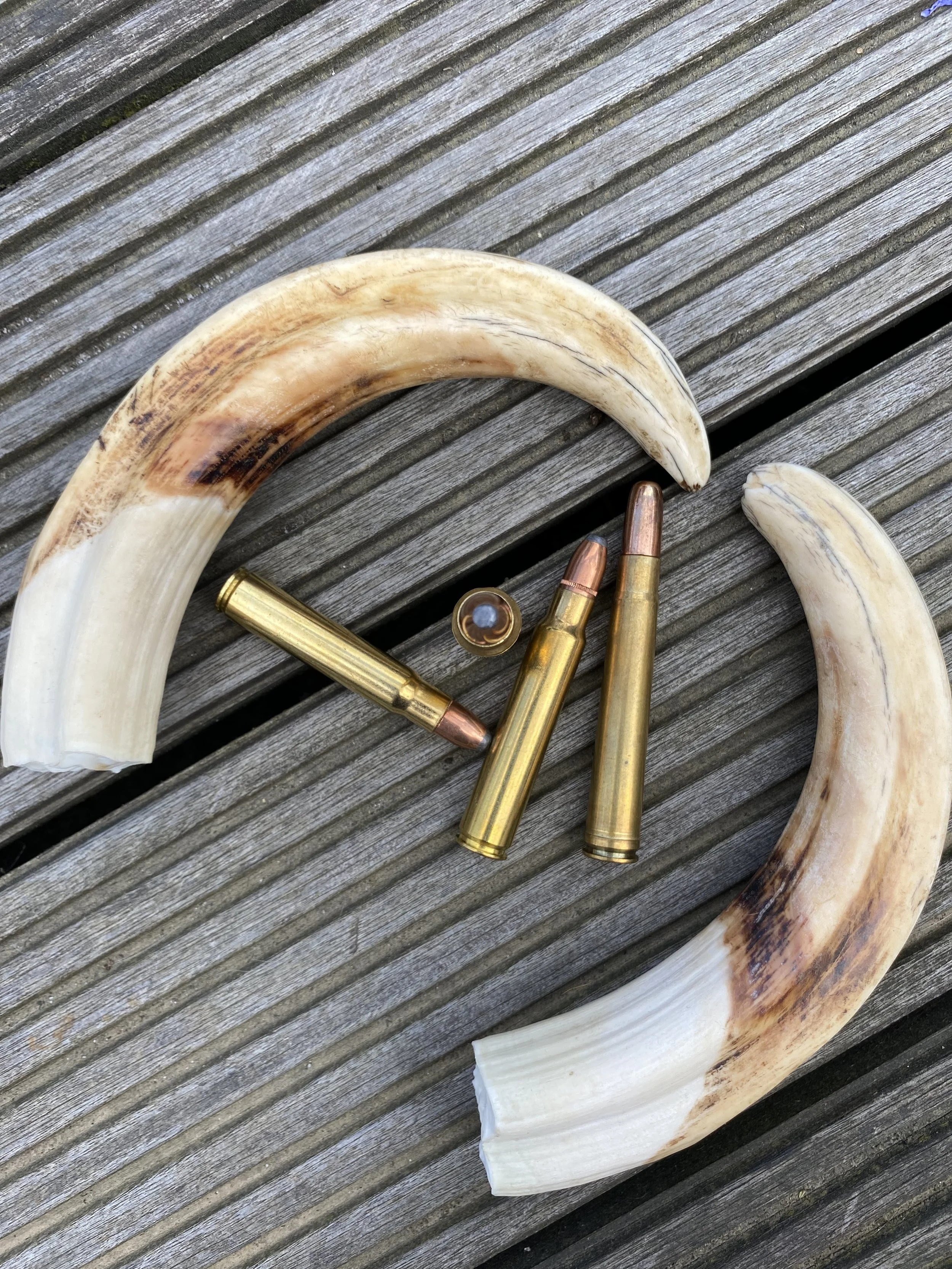
Since its introduction in 1912, the venerable .375 Holland & Holland has been the benchmark for all medium-bore cartridges. Its caliber is the minimum for dangerous game hunting in many African jurisdictions, and with adequate bullets, it’s a sensible choice even for elephant hunting.

Zeroing a traditional 30-30 load at 160-yards maximizes point blank range, but a 50-yard zero might be more effective in tight cover where shots are no farther than 120 yards. Sight-in high at 100 yards for most versatility.
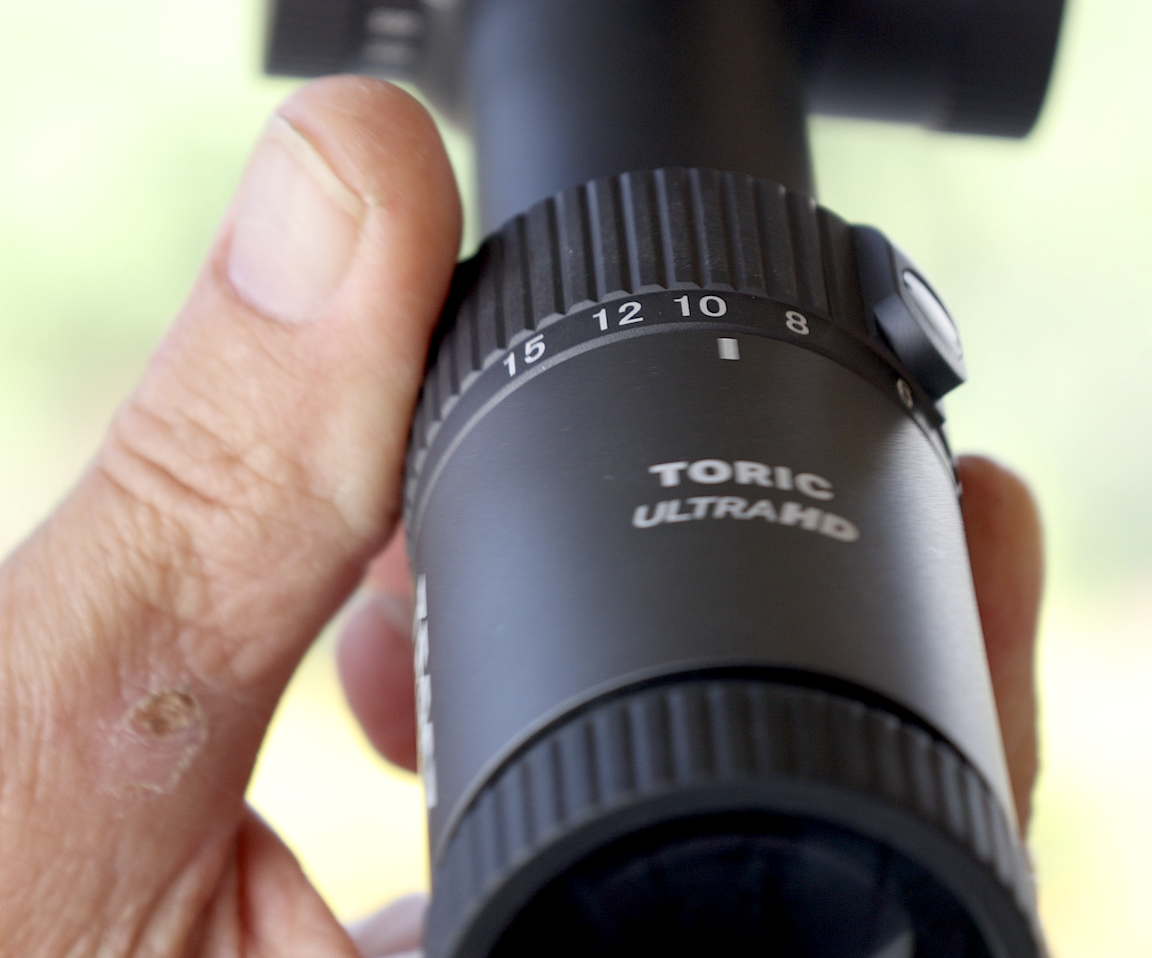
Tract Toric Ultra HD 2.5-15x44 FFP MOA scope earns 5 Stars. Sharp, bright, high contrast, precise, repeatable.


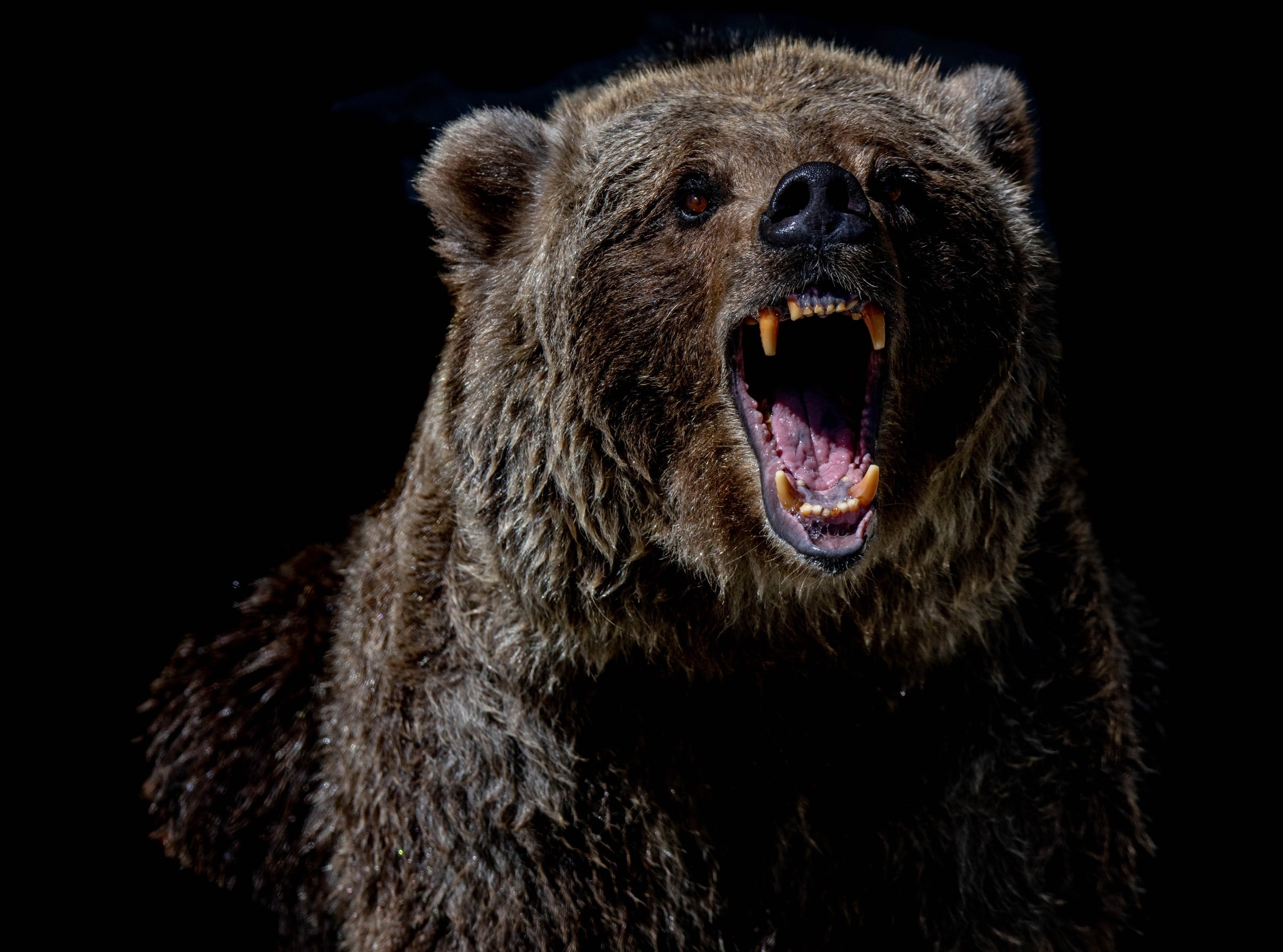
“Find me a good flapping scalp story,” I’d say to the Outdoor Life editors at many of our staff meetings. I meant, of course, a good bear tale where a grizzly or Alaska brown bear got the upper hand and chewed off the hunter’s scalp. During my tenure at Outdoor Life, I learned very quickly that our readers had a true love affair with bears, especially rogue grizzlies.
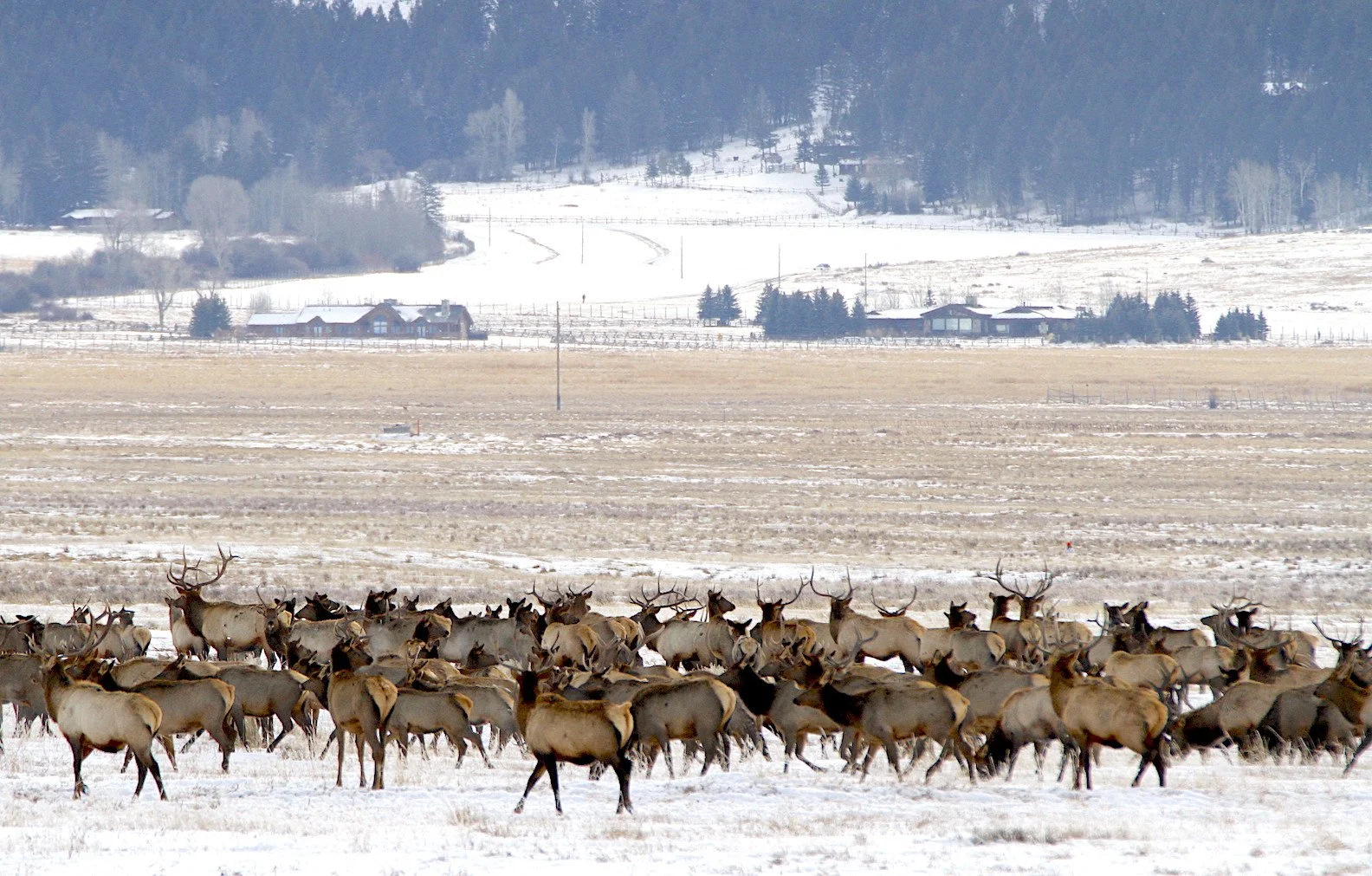
Baffin Island in the Northwest Territories can be downright mean to hunters. It’s cold, windy, and wet. Campfires are a luxury on Baffin. There are no trees, and the only vegetation is lichen and moss. The shoreline is a maze of ankle-twisting rocks. But the caribou hunting more than made up for the aches and pains in my body when I hunted there years ago.

Unfortunately, the recent black bear attack in northern New Jersey and the first fatal bear attack in about 150 years is an example of what happens when people panic and run scared. Perhaps this deadly attack might not have happened if the young hiker had been more knowledgeable about the dangers of encountering a wild animal.
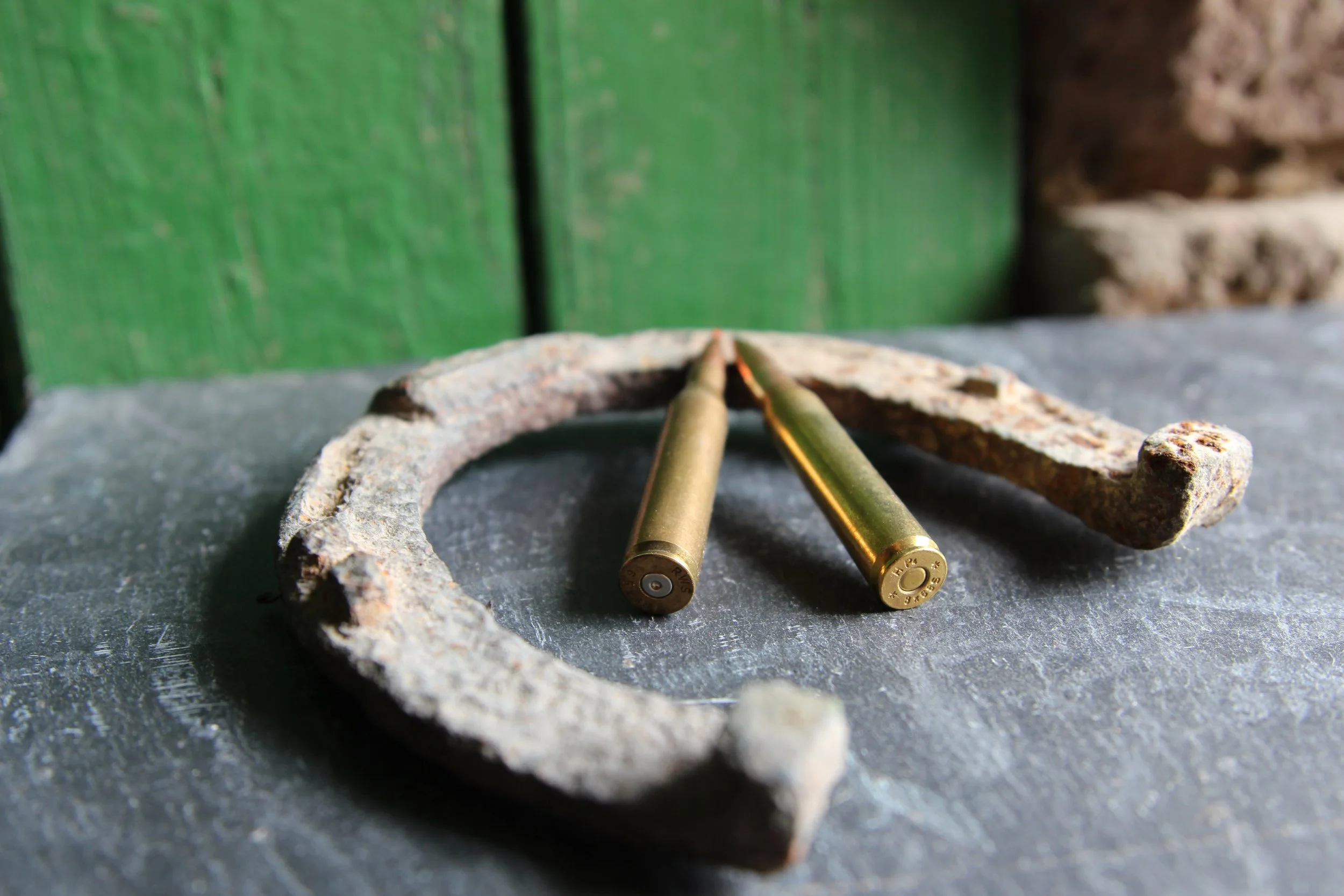

“This was not the way it was supposed to happen. I hit the Cape buffalo squarely in the chest with a .375 Holland & Holland, a cartridge the size of a banana. Nyati was supposed to go down. He didn’t even flinch! In fact, the bull trotted off with his buddies.