

For more fishing stories and tips from Vin, check out his Complete Guide to Fresh and Saltwater Fishing.
We have all heard some wild fishing tales. Some stories stretch the imagination. In the immortal words of Ed Zern, writer and outdoor philosopher, “Fishermen are born honest—but they get over it.”
I’ve also been guilty of stretching the truth, but not this time. I want to tell you about a true mind-boggling fishing adventure.
The bizarre tale starts with Scott Stancyzk, a Florida Keys charter captain. Scott has been guiding fishermen on the Catch 22, a 48-footer, for about 20 years.
Scott was trolling for billfish about 20 miles from Alligator Light, marking the Keys reef. He had four doctors aboard and his mates Travis and Roman Butters. They were out only a short time when the boat blew a blower shaft, which meant Scott would be running his boat on a single-engine all day. Would this be Scott’s lucky or unlucky day? You be the judge.
Scott suddenly saw five or six blue marlins all over his ballyhoo baits from the bridge. He quickly hooked up two blues and put a doctor on each rod. When Scott saw another marlin still hanging around the boat, he put out another bait, and the marlin slammed it as soon as it hit the water. Scott and his crew were now fighting a tripleheader on blue marlin.
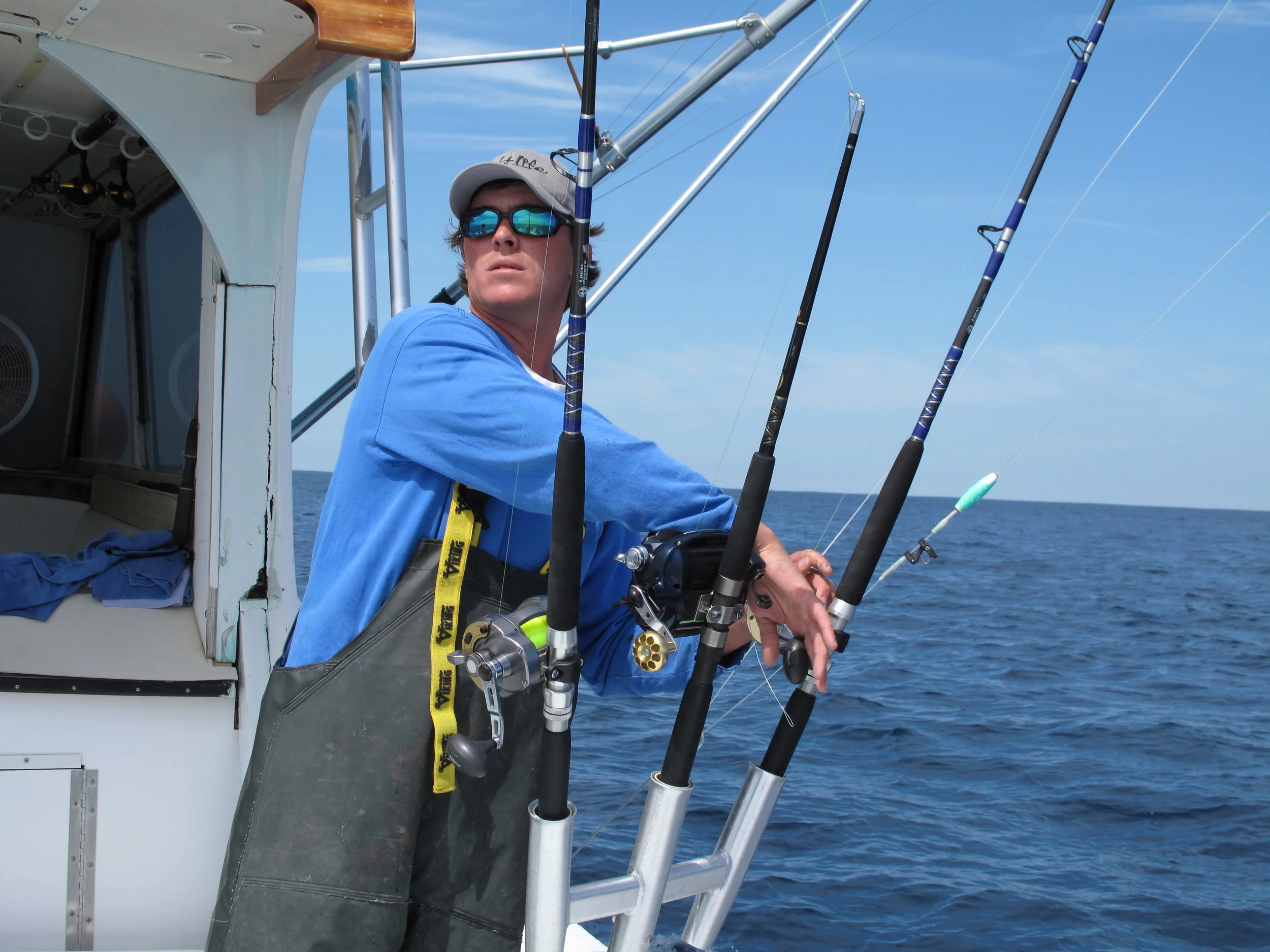
“I’ve never had a doubleheader on blue marlin, much less a triple,” says Scott. “I wasn’t about to lose these fish.”
At one point, according to Scott, all three blue marlins, weighing more than 100 pounds each, were jumping at the same time.
Luckily, the first blue marlin was landed, tagged, and released without mishap. But the remaining two marlins were not cooperating. Both fish ran in opposite directions, making it impossible to fight both simultaneously. Scott chose one fish and told Travis that when the other marlin ran off all the line on the reel, he was to hook another rod to the reel harness lug and toss the first rod overboard, hoping that the marlin wouldn’t run all the line off the second rod. You guessed it! That’s exactly what the marlin did.
“Hook on another rod,” shouted Scott. Travis followed orders, and now there were two trolling outfits trailing behind the marlin.
This may be hard to believe, but that marlin also peeled off all the line on that third rod. Scott was still determined to land all fish.
“Put on another rod,” he again shouted. Does a mate argue with his skipper? Not a chance! By this time, Scott had become possessed by the challenge, and he was going to land all three marlins at all costs. Travis hooked the fourth rod to the marlin that was already trailing three trolling outfits in its wake.
What happened next would test the determination of Ahab. The marlin did what they do best: Fight with all their strength. The fish ran all the line off the fourth rod. There was no stopping the fish, and Scott had no choice. The crew and fishermen had tagged and released one marlin, were fighting a second marlin, and the third marlin was dragging three trolling outfits through the ocean.
Did Scott call it quits? Not a chance. “Hook up the fifth rod, “ he shouted to Travis, who obediently hooked up the fifth rod and tossed the fourth rod into the sea. By this time, the doctors probably questioned the sanity and the wealth of their skipper.
All was going well, the doctor eventually landed that second blue marlin, and it was tagged and released. But then the fight with the third marlin ended tragically.
Now trailing a total of four 30-pound-class Hurricane trolling rods, four Shimano TLD20 reels, and more than 1,600 yards of monofilament in its wake, the marlin broke the line. Scott lost all his tackle, valued at nearly $2,000, but what he and his crew lamented was the loss of that third blue marlin.
Would Captain Stancyzk do it again? Would he risk all that expensive tackle to catch a fish that he planned to tag and release?
“Of course,” says Scott. “A triple header on blue marlin may happen once in a lifetime if you’re very lucky. You can always buy more tackle.”
This story may be tough to swallow. If you doubt it, just ask Captain Stancyzk yourself. You can find him at Bud N’ Mary’s Marina in Islamorada, Florida. Just look for the Catch 22.
Check Out Vin T. Sparano’s Books





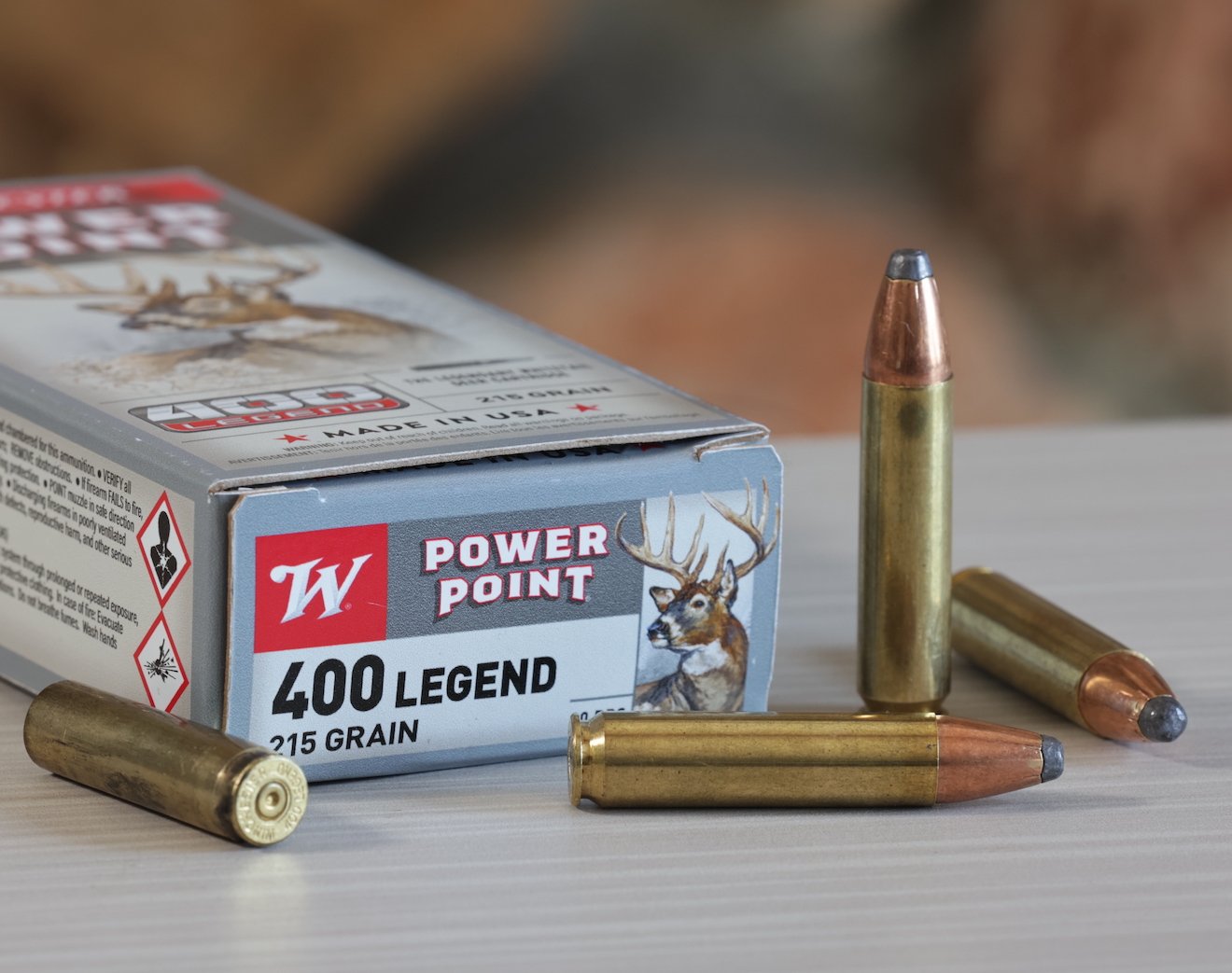
The new Winchester 400 Legend straight wall cartridge matches 30-30 Winchester performance but is legal in straight wall cartridge states.

Stalking cape buffalo on the naked plains of Mozambique’s Zambezi Delta leads to food for local villagers and more wildlife across the hunting block.
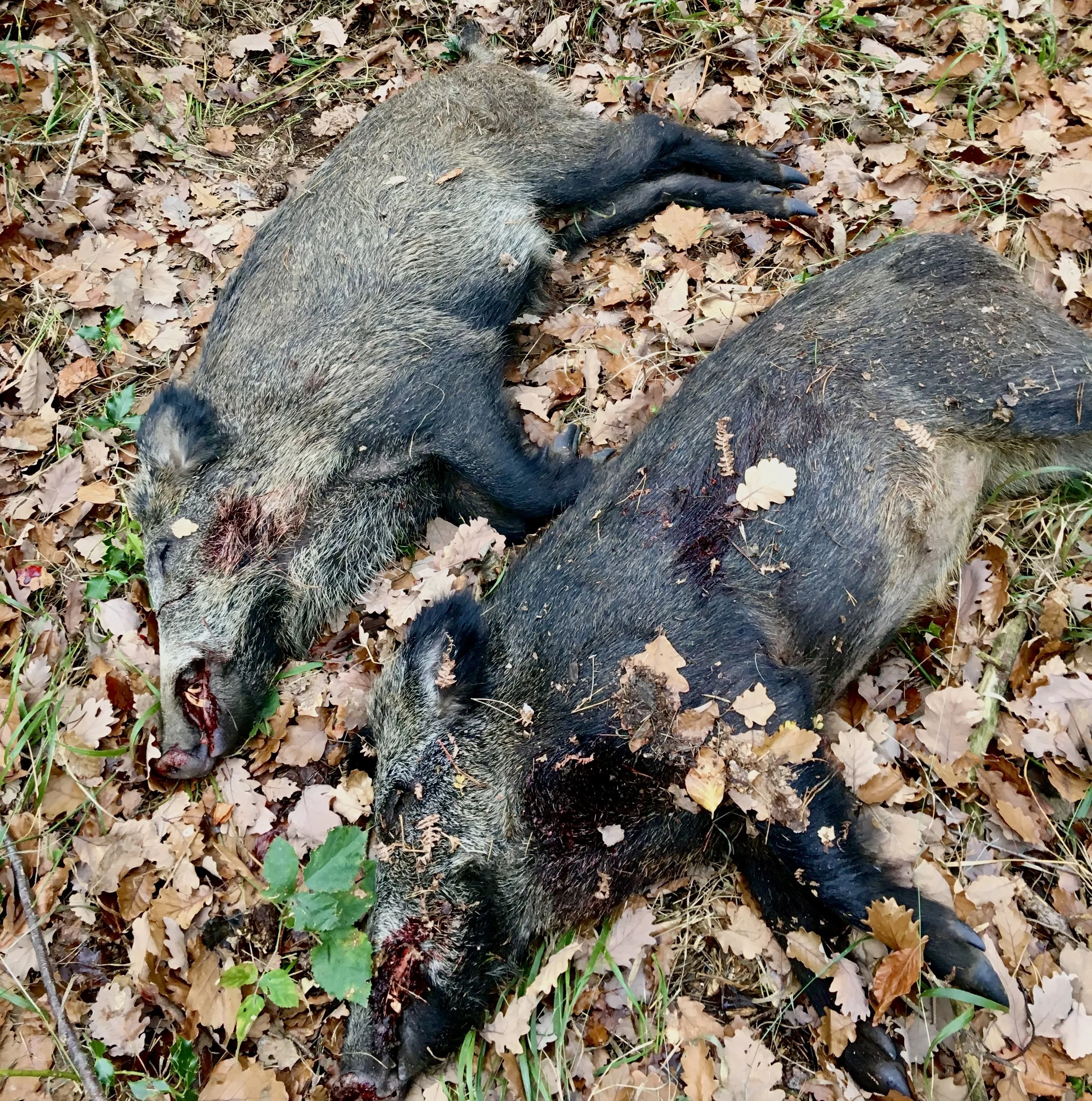
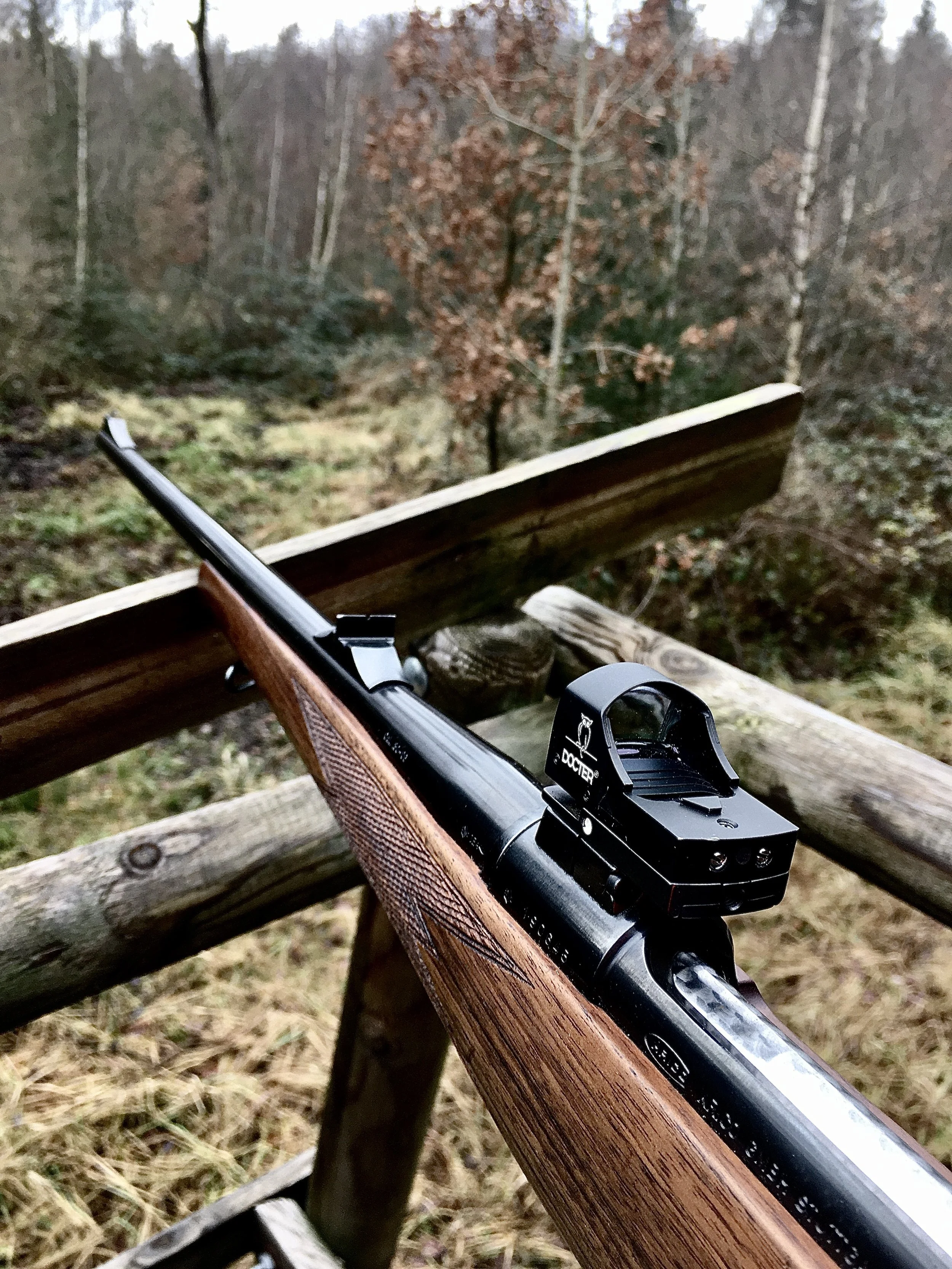
Being as stealthy as possible while moving through hunting grounds is essential. If you're still trying to hunt through potential bedding areas, closing in on game you spotted from afar, trying to sneak to your tree stand for a sit, or you're tracking bucks as they do in New England, every noise you make is too much.
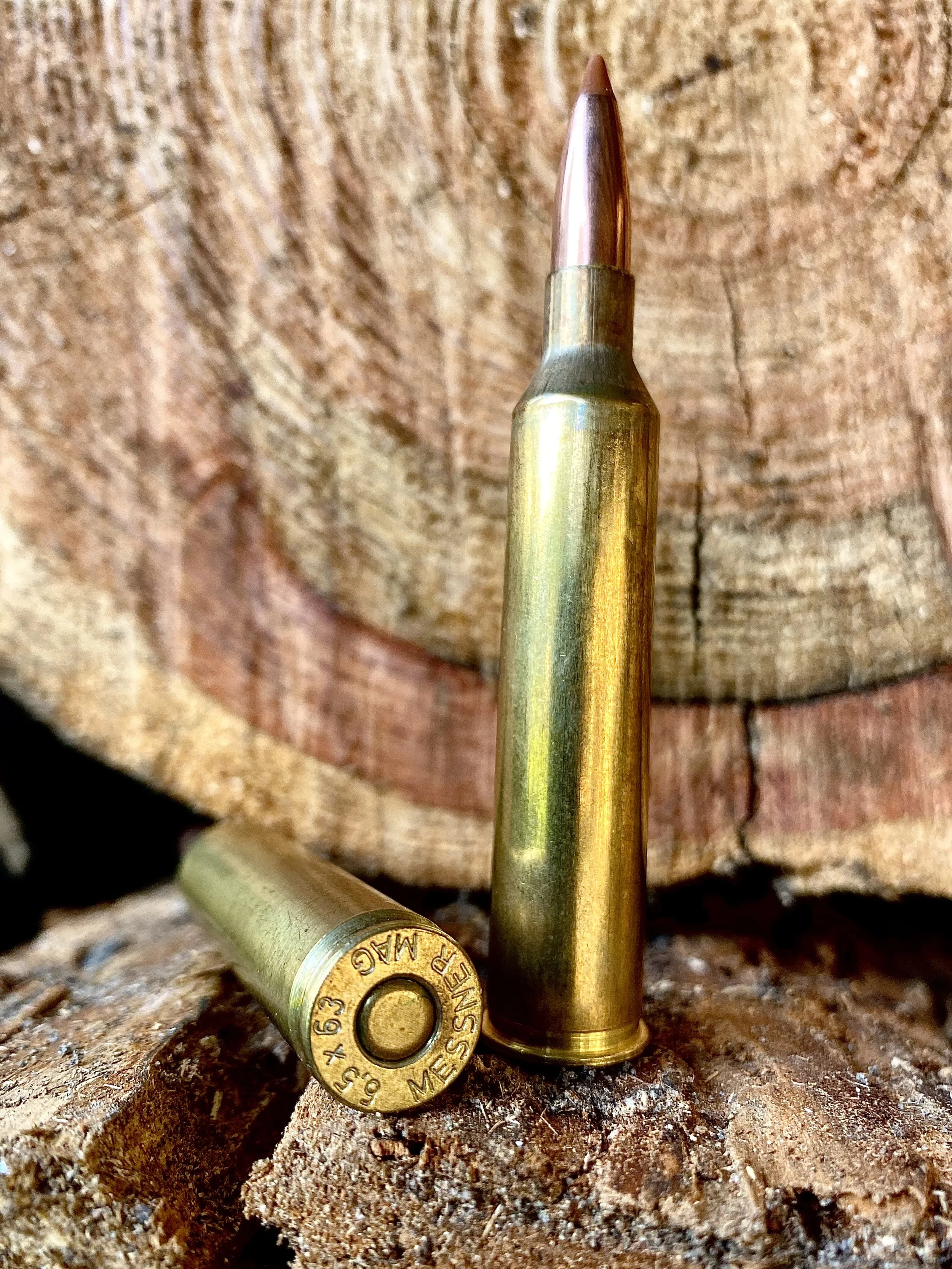
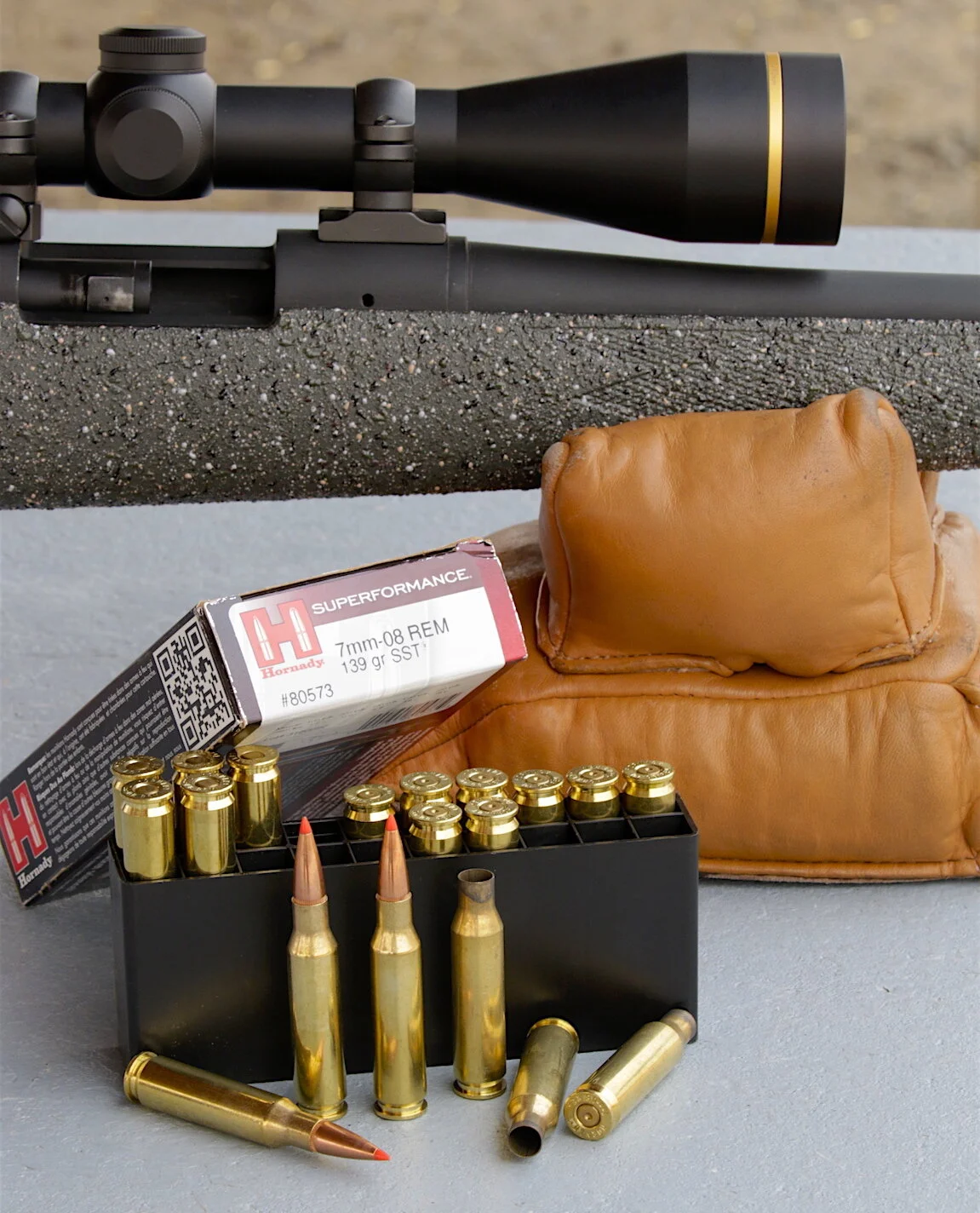
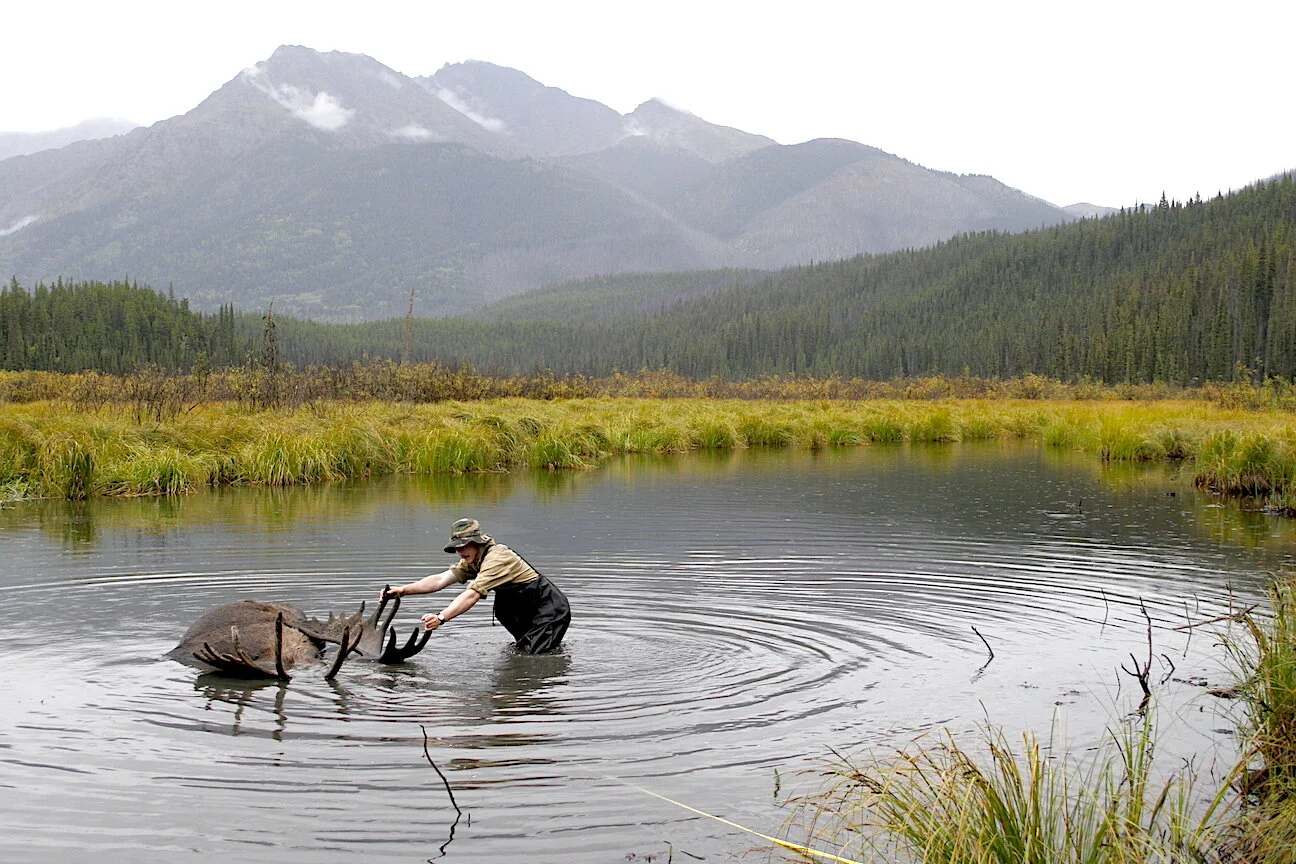
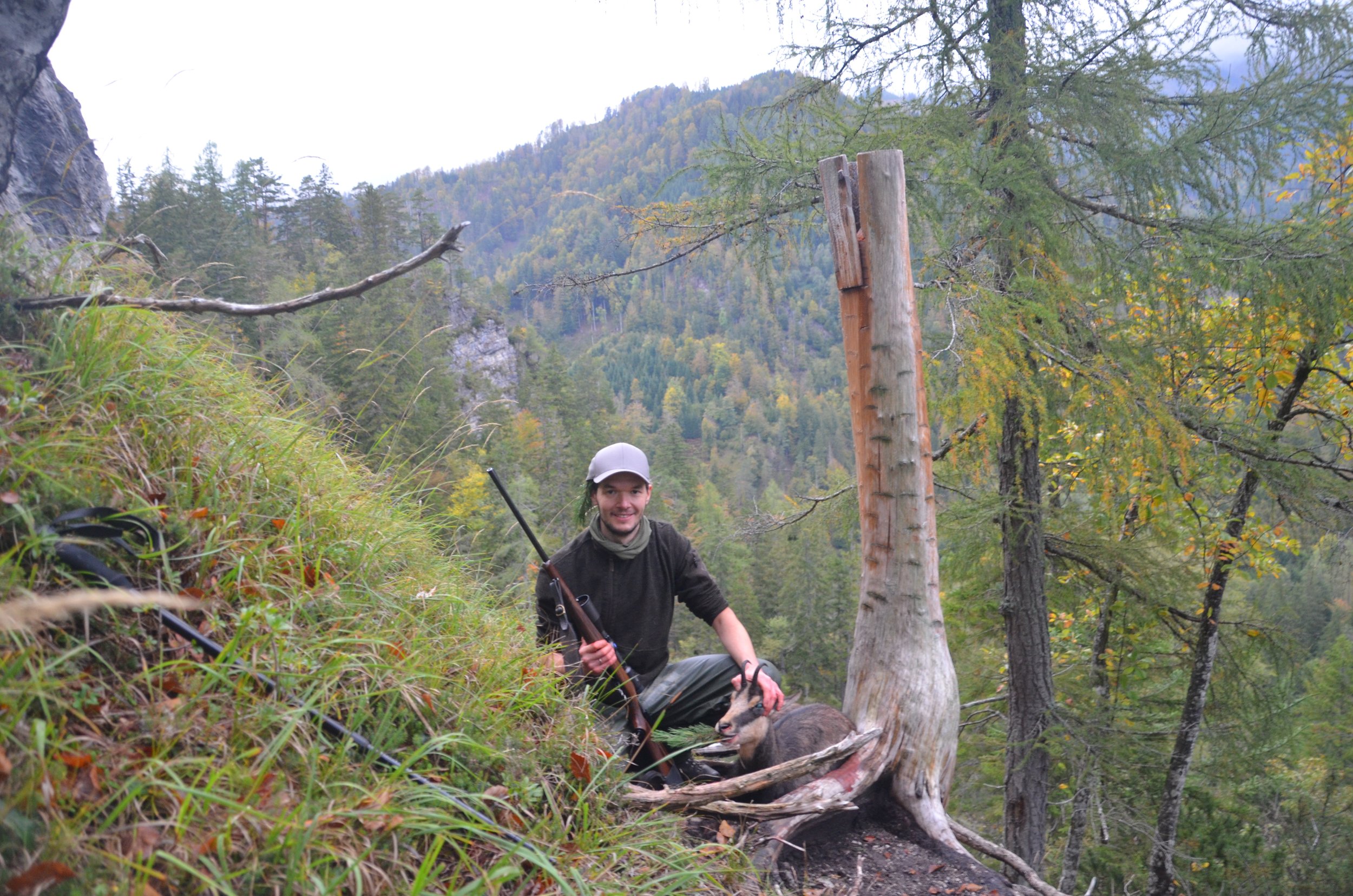
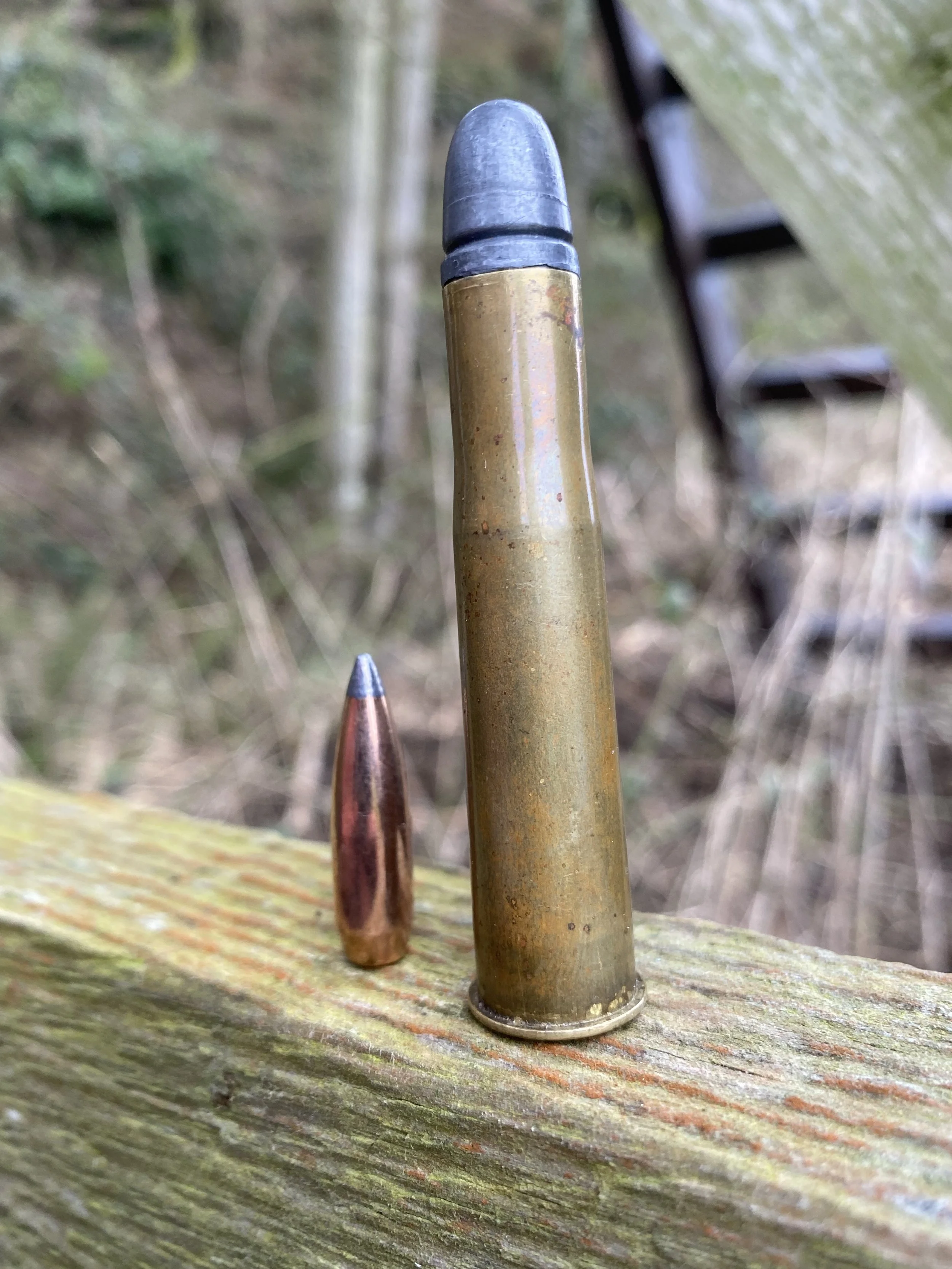

They start from the base, rising with bumps, bruises, and little rings. At last, they turn back, bending to form a bow. With their thick bases, a pair of them sits atop a white face with dark, lengthwise stripes. Every European mountain hunter dreams of this trophy -- the horns of a chamois.
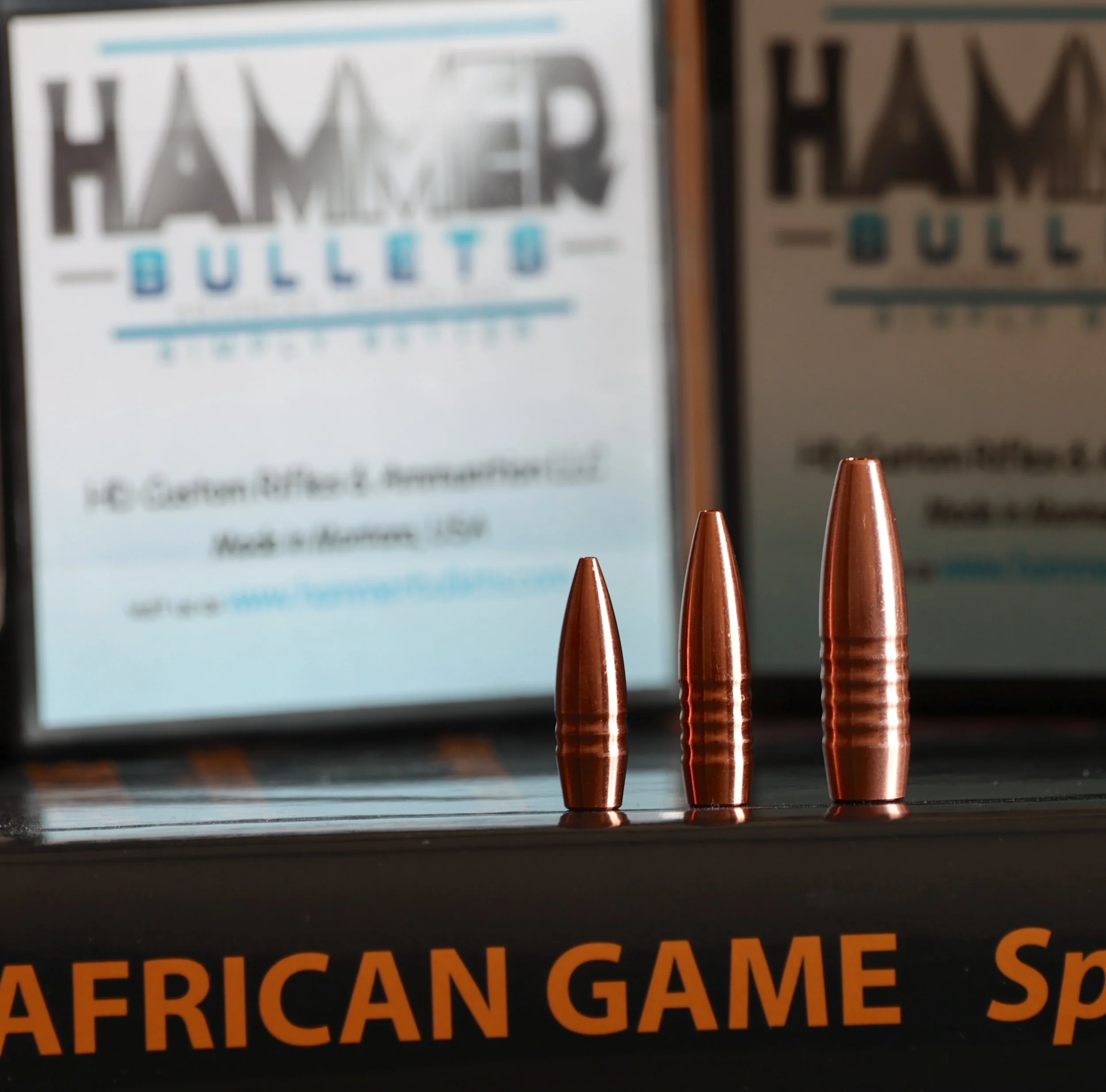


If the average American hunter heads out for a big game hunt, chances are he’s relying on the .30-06 Springfield to get some meat on the ground. Why? Well, because the ought-six has proven time and time again that it gets the job done -- reliably and repeatedly.
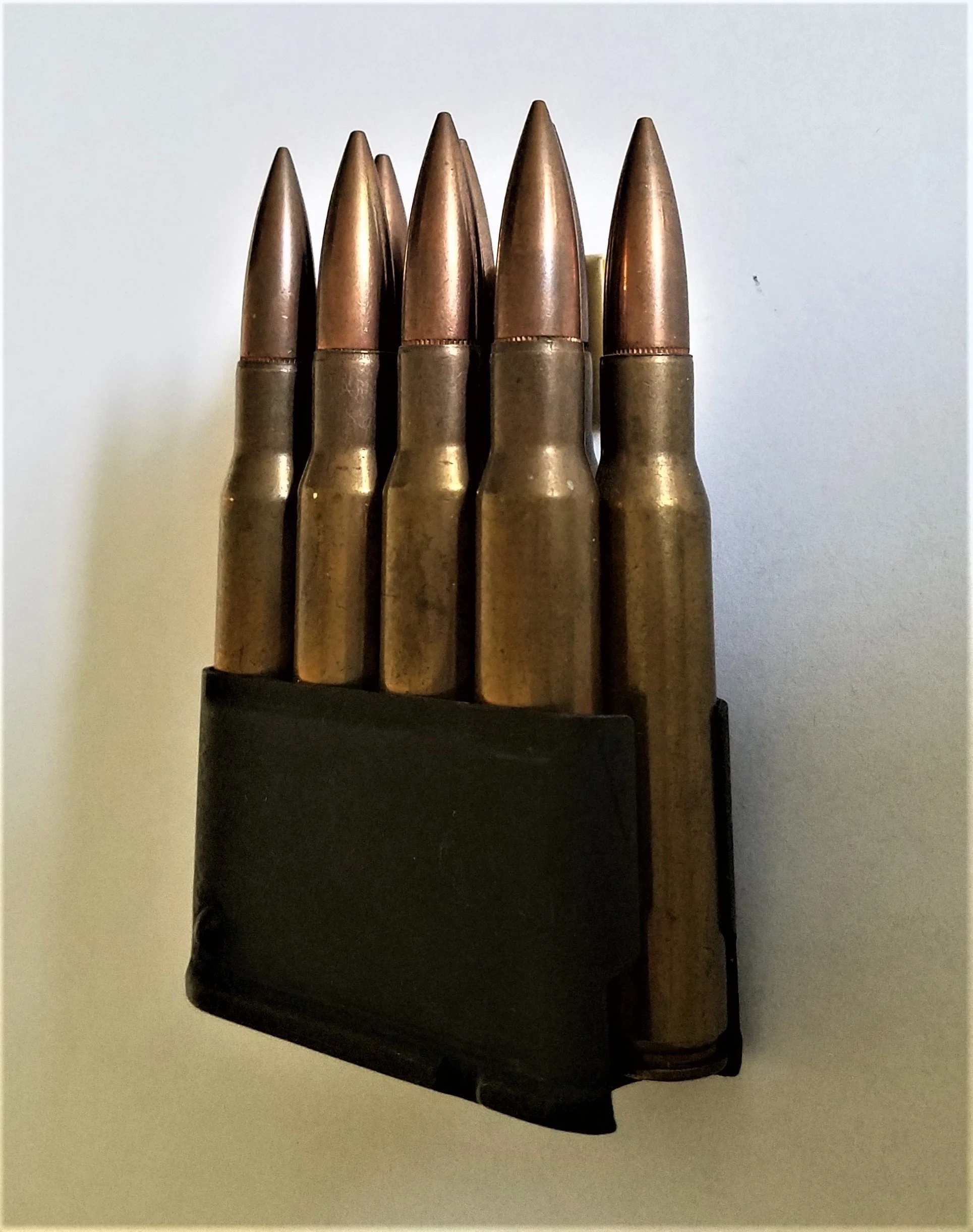
If his European counterpart picks his do-it-all rifle, he’ll choose the 8mm Mauser rifle every time.
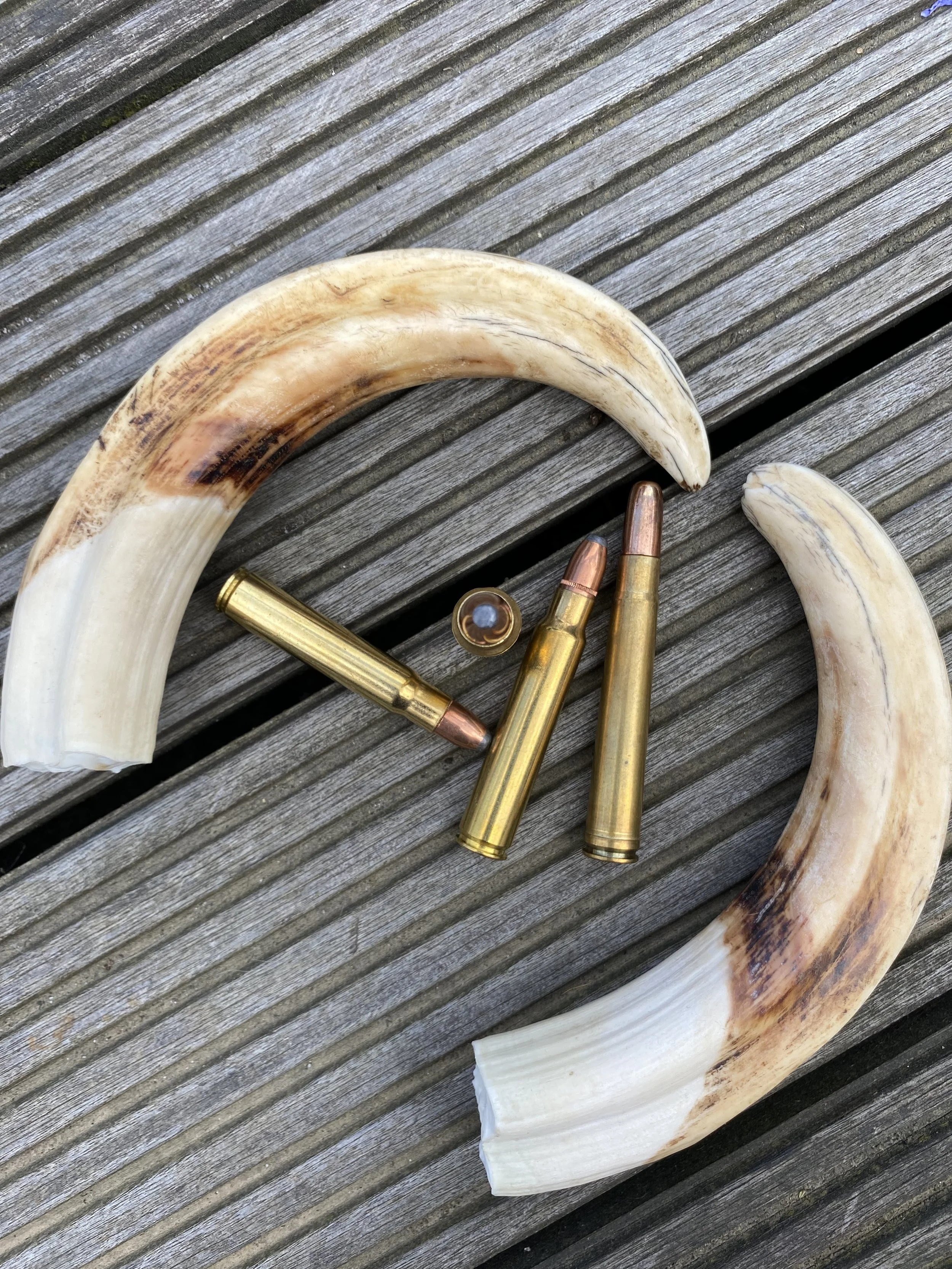
Since its introduction in 1912, the venerable .375 Holland & Holland has been the benchmark for all medium-bore cartridges. Its caliber is the minimum for dangerous game hunting in many African jurisdictions, and with adequate bullets, it’s a sensible choice even for elephant hunting.

Zeroing a traditional 30-30 load at 160-yards maximizes point blank range, but a 50-yard zero might be more effective in tight cover where shots are no farther than 120 yards. Sight-in high at 100 yards for most versatility.
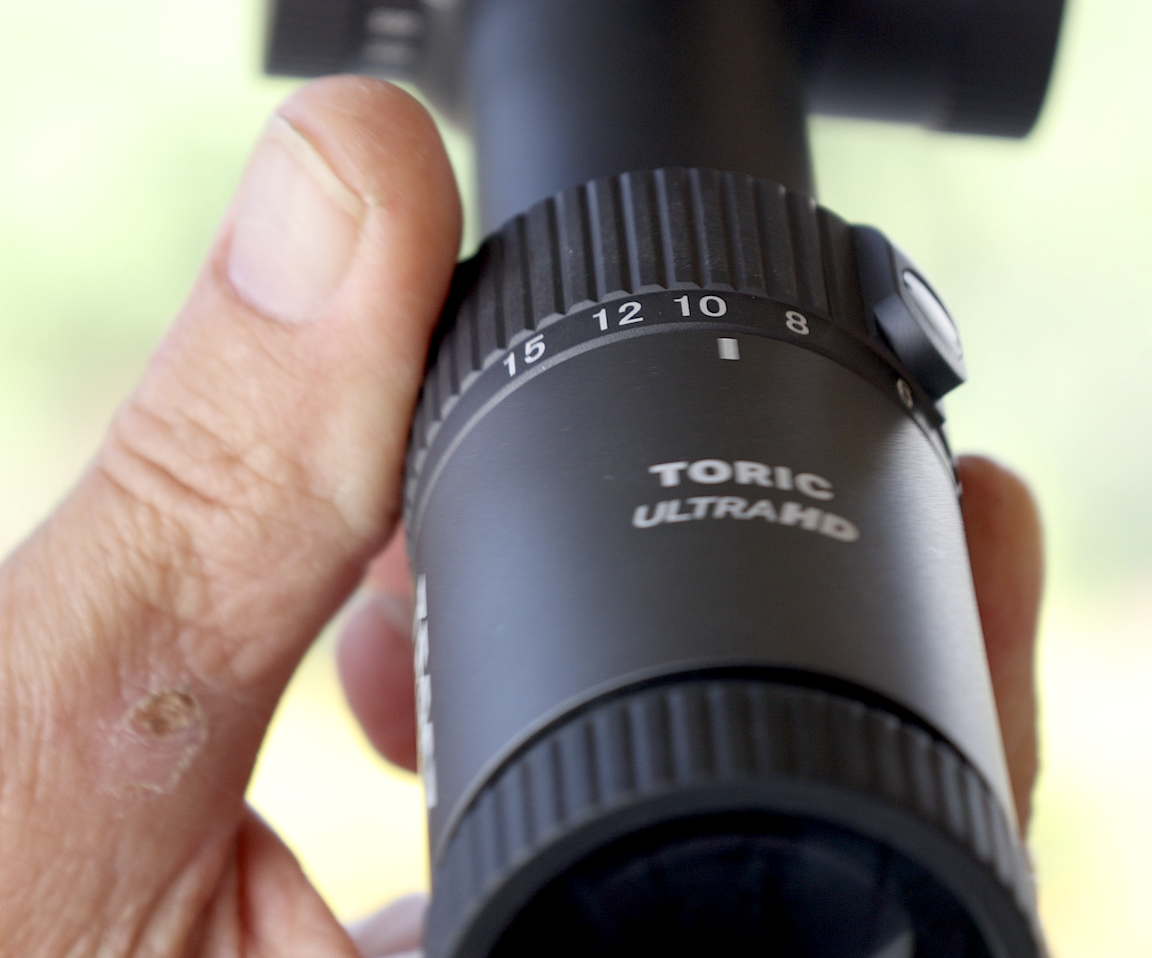
Tract Toric Ultra HD 2.5-15x44 FFP MOA scope earns 5 Stars. Sharp, bright, high contrast, precise, repeatable.



“Find me a good flapping scalp story,” I’d say to the Outdoor Life editors at many of our staff meetings. I meant, of course, a good bear tale where a grizzly or Alaska brown bear got the upper hand and chewed off the hunter’s scalp. During my tenure at Outdoor Life, I learned very quickly that our readers had a true love affair with bears, especially rogue grizzlies.
Baffin Island in the Northwest Territories can be downright mean to hunters. It’s cold, windy, and wet. Campfires are a luxury on Baffin. There are no trees, and the only vegetation is lichen and moss. The shoreline is a maze of ankle-twisting rocks. But the caribou hunting more than made up for the aches and pains in my body when I hunted there years ago.

Unfortunately, the recent black bear attack in northern New Jersey and the first fatal bear attack in about 150 years is an example of what happens when people panic and run scared. Perhaps this deadly attack might not have happened if the young hiker had been more knowledgeable about the dangers of encountering a wild animal.

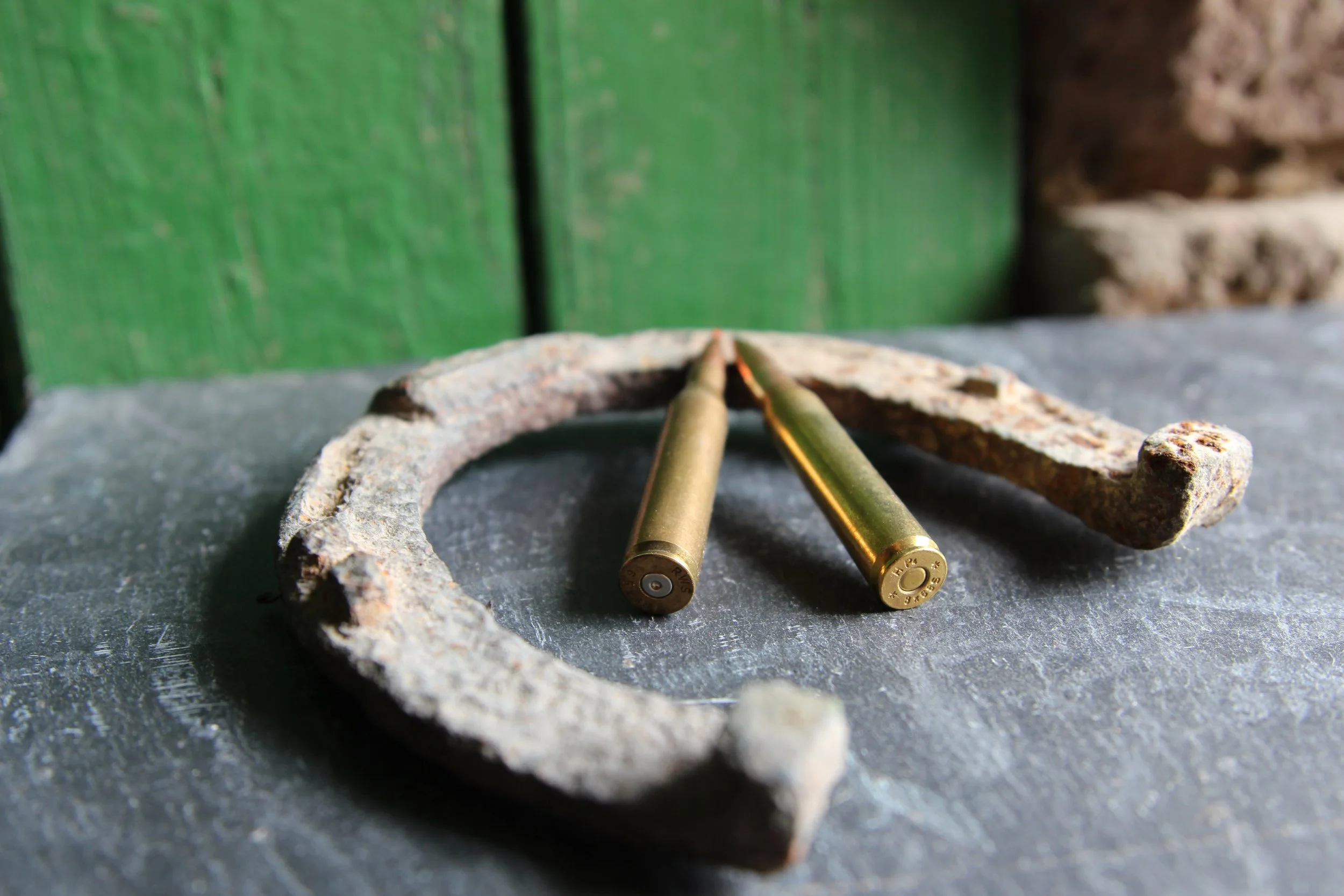

“This was not the way it was supposed to happen. I hit the Cape buffalo squarely in the chest with a .375 Holland & Holland, a cartridge the size of a banana. Nyati was supposed to go down. He didn’t even flinch! In fact, the bull trotted off with his buddies.