

I’ve always been a firm believer that a big 10- to 12–inch shiner is one of the most effective ways to catch big bass. Unfortunately, your first problem may be finding such big shiners in your local bait shop. You may have to catch them yourself. You can chum for shiners with oatmeal and bread crumbs and catch them with doughballs on a No. 12 or 14 hook. The best way to fish live shiners is to cast them along shorelines or floating vegetation.

The standard rig should have two hooks – a treble hook through the lip of the shiner and a trailing single or treble in the tail of the shiner or held alongside with a rubber band. A bobber big enough to keep the shiner from dragging it underwater should be placed three to four feet above the bait. When a big bass hits that shiner and pulls the bobber underwater, count to 10 slowly and then reel in until your line is taut, and only then lift your rod. The bass will hook itself.
I’m telling you this upfront because big shiners may be the best way to catch trophy-size bass. But if you want more consistent action on bass, let me tell you about my favorite bass bait, and it’s not big shiners.
First, I have to tell you about Mud Turtle.
For many decades, my three fishing buddies and I would travel every spring or fall to Mud Turtle, a small lake in Canada. The lake is only accessible by a farm tractor. Even if I could tell you the exact location of Mud Turtle, I won’t because my buddies would likely have me whacked. A farmer would haul us to the lake on a flatbed hooked to his tractor. The trip was several miles. Two heavy steel boats were waiting for us when we reached Mud Turtle. We loaded our gear and motored up the lake to a couple of small cabins where we would stay and fish for three or four days. We always had a ton of tackle and lures, as well as a bucket of nightcrawlers that we’d bought at the 1000 Island Bait Shop at the border crossing into Canada.
But it wasn’t all those lures and worms that got us so anxious to fish Mud Turtle. We already knew we had the best bass bait; we just had to catch them. The frogs were the most consistent live bass bait I have ever fished.

The shoreline of Mud Turtle was like most lakes with grassy banks and lily-pad-type vegetation. We quickly caught dozens of frogs within a matter of hours. Catching them is not hard. Generally, you can catch a fair number during the day, but you can collect more at night with a flashlight and a long-handled small-mesh net. Frogs will remain still in the beam in the beam of a flashlight, and you should have no trouble netting them.
There was this one big rock at Mud Turtle overlooking a deep hole. We caught bass on every cast with a lip-hooked frog with my buddies. We jokingly referred to “burping” the frog before casting by gently squeezing the air out of the frog to keep it from swimming to the surface. Once the frog hit bottom, it was immediately nailed by a bass. Of course, we released all the bass except for a few deep-hooked fish for dinner. These Mud Turtle trips convinced us that live frogs were perhaps the best bass baits of all time.
We were so used to fishing with frog baits at Mud Turtle that we even built a frog box where we could keep a supply of frogs while at Mud Turtle. It was easy to build. While fishing, we also kept live frogs in a knee-length sock that we could attach to our belts.
We usually fished our frogs on the bottom, but other ways to effectively fish live frogs. There’s nothing more exciting to a fisherman than a bass hitting a frog as it slips off a lily pad or jumps from vegetation. If you prefer to catch bass on the surface among shoreline vegetation, make sure you lip-hook that frog with a weedless hook.

Fortunately, for those fishermen who do not relish the thought of stumbling along muddy banks of lakes and streams trying to catch live frogs, the tackle industry also recognizes that frogs catch lots of basses. There are dozens of frog lures out there for you to buy, and they are designed for fishing waters from top to bottom.
Two of my favorites are the Zara Super Spook in frog finish and the Trophy Scum Frog. The Zara Super Spook is fished on the surface in a zigzagging retrieve. The Scum Frog produces a kicking action and works excellent in weeds. Try dragging it off lily pads. A quick look at the Bass Pro and Cabela’s websites shows all varieties of frog-imitating lures.
It all started at Mud Turtle decades ago, a small Canadian lake that became a proving ground for the guaranteed deadly effectiveness of frog baits for largemouth and smallmouth bass and probably for all other freshwater fish.
No, I still won’t tell you how to get to Mud Turtle.
Check Out Vin T. Sparano’s Books








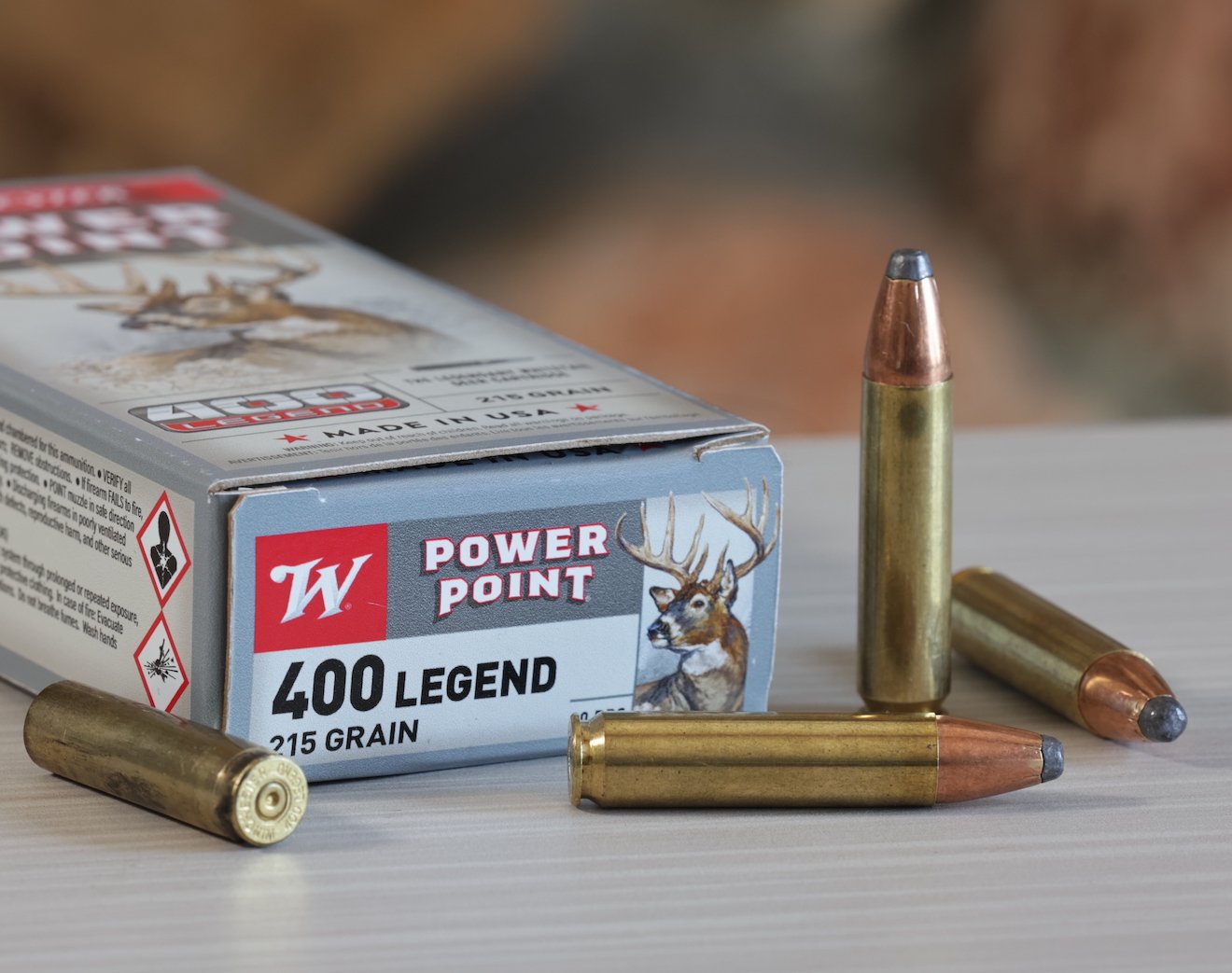
The new Winchester 400 Legend straight wall cartridge matches 30-30 Winchester performance but is legal in straight wall cartridge states.
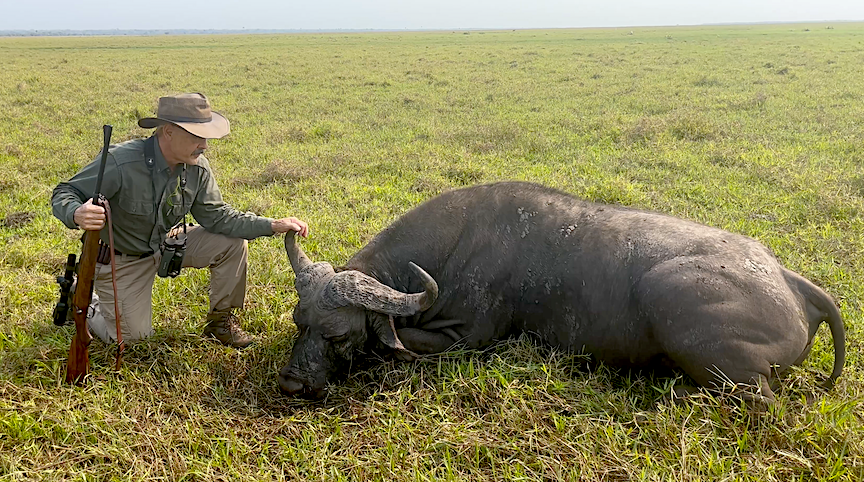
Stalking cape buffalo on the naked plains of Mozambique’s Zambezi Delta leads to food for local villagers and more wildlife across the hunting block.
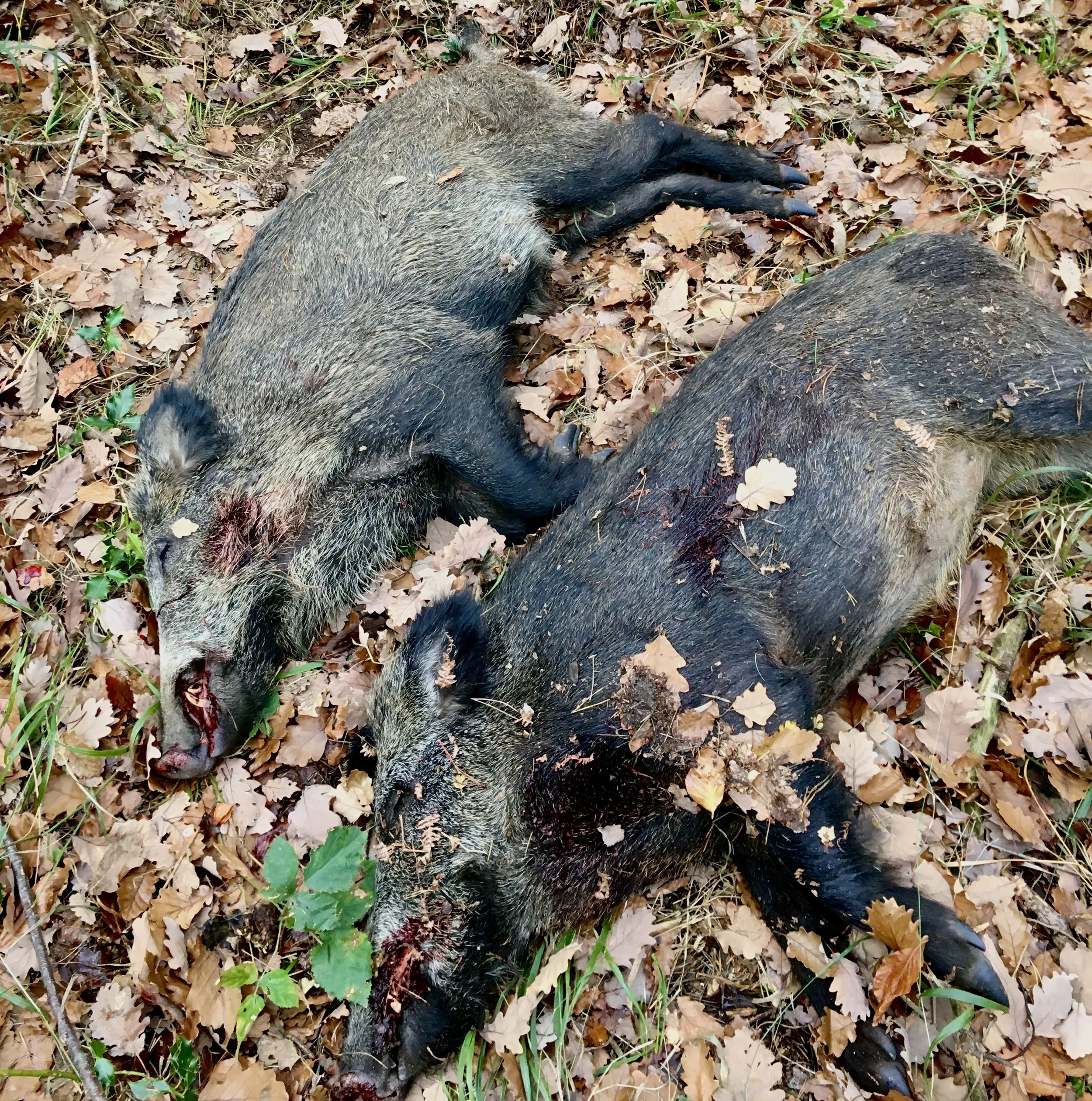
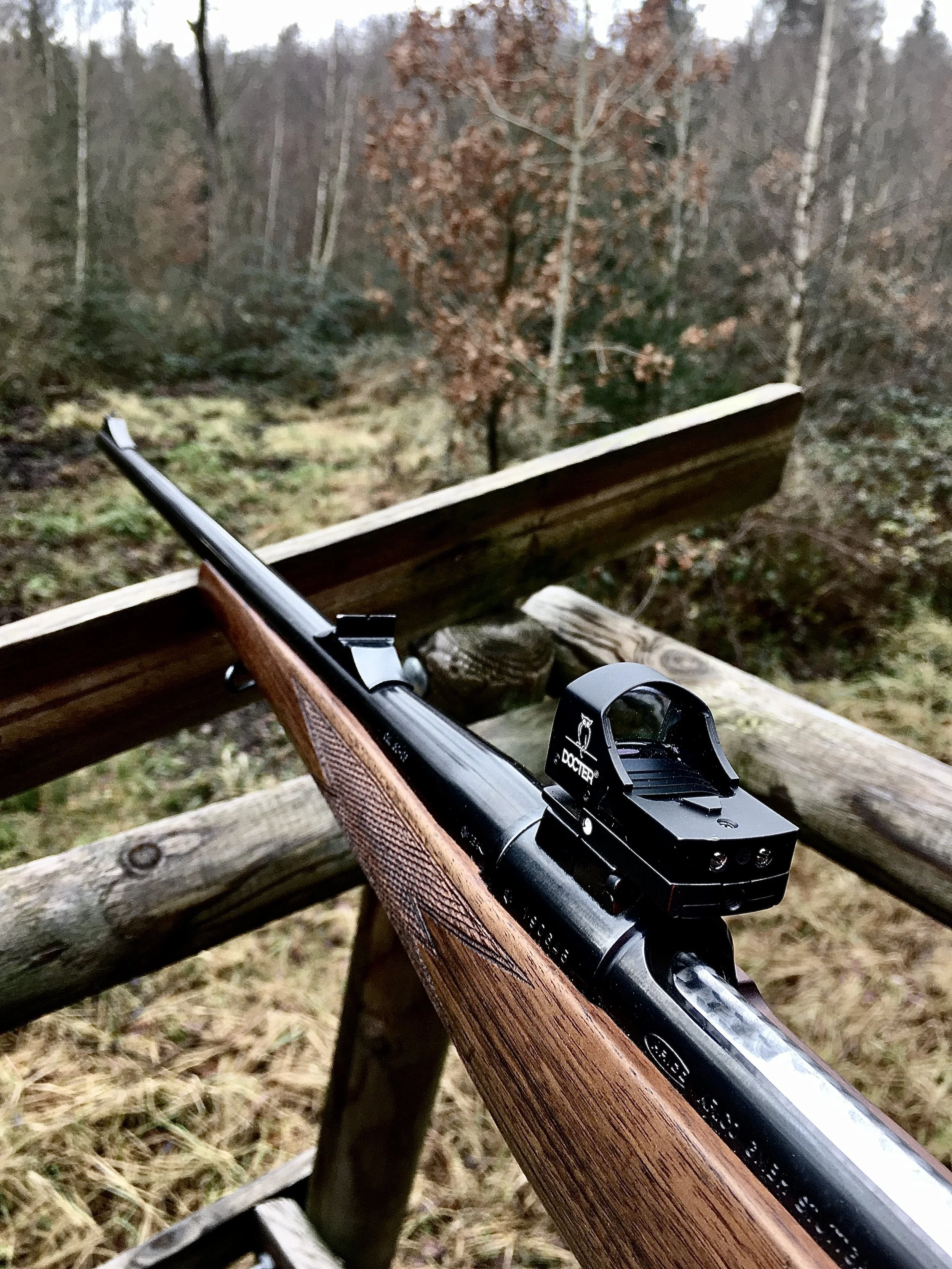
Being as stealthy as possible while moving through hunting grounds is essential. If you're still trying to hunt through potential bedding areas, closing in on game you spotted from afar, trying to sneak to your tree stand for a sit, or you're tracking bucks as they do in New England, every noise you make is too much.
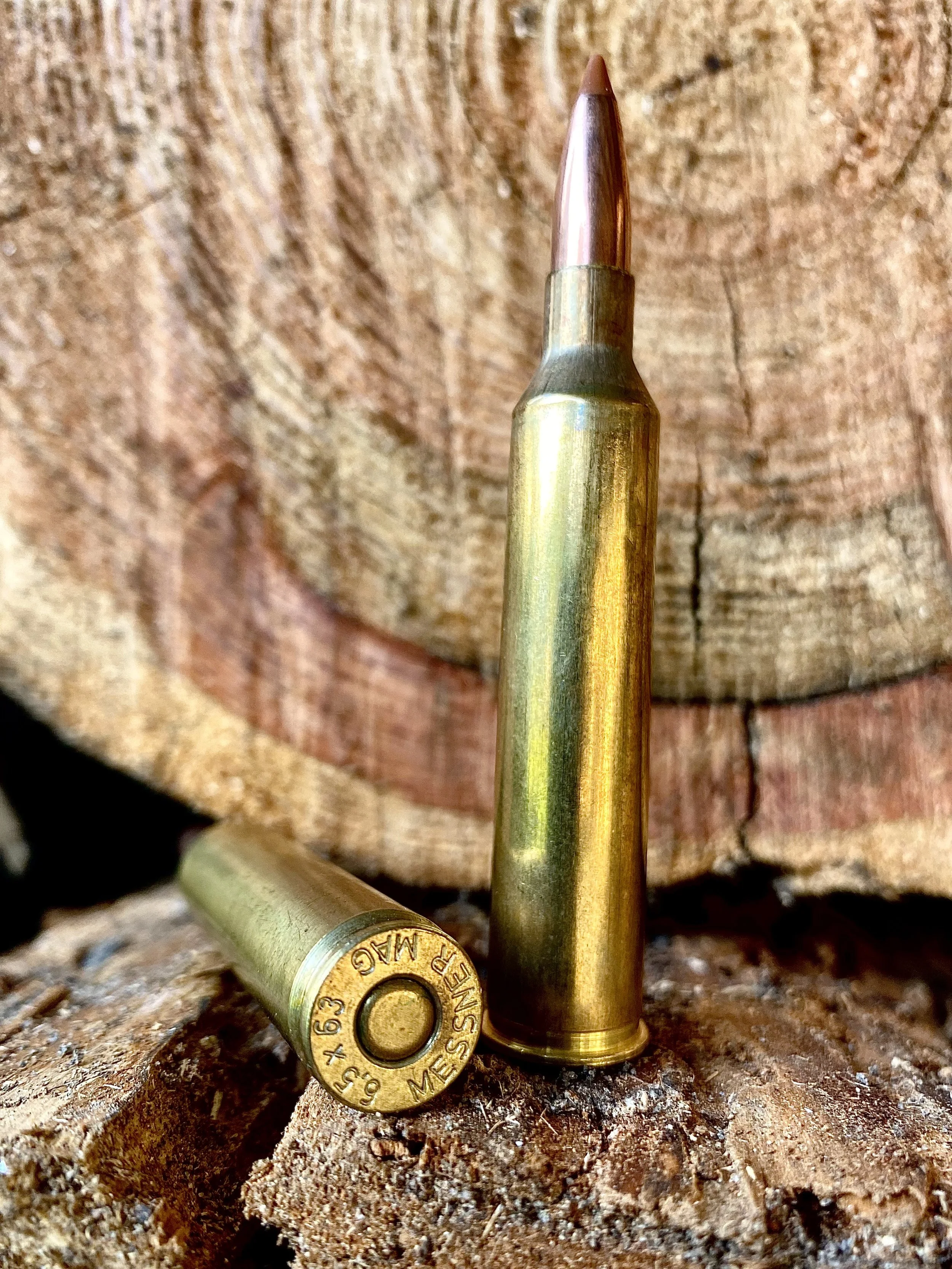
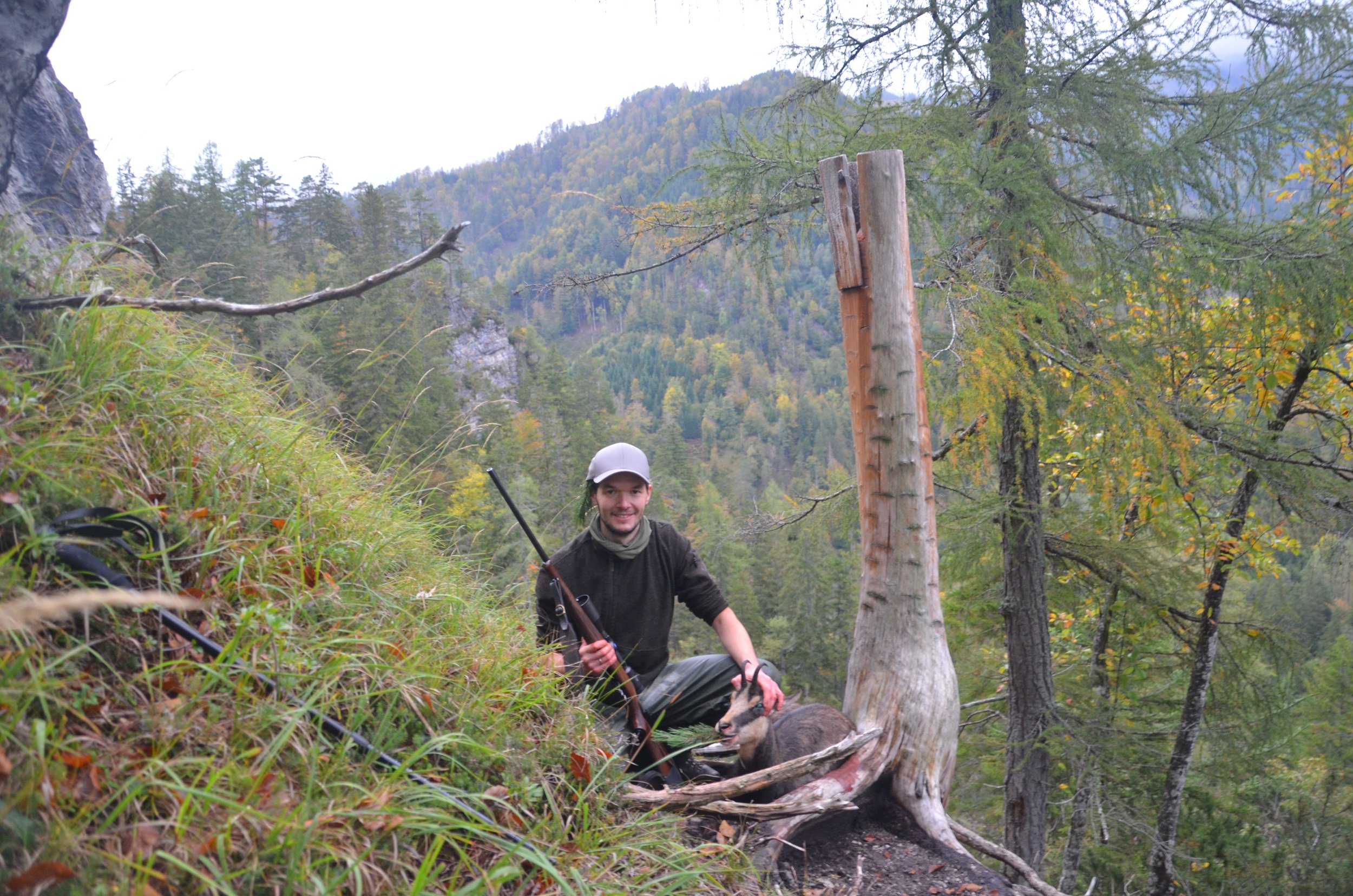
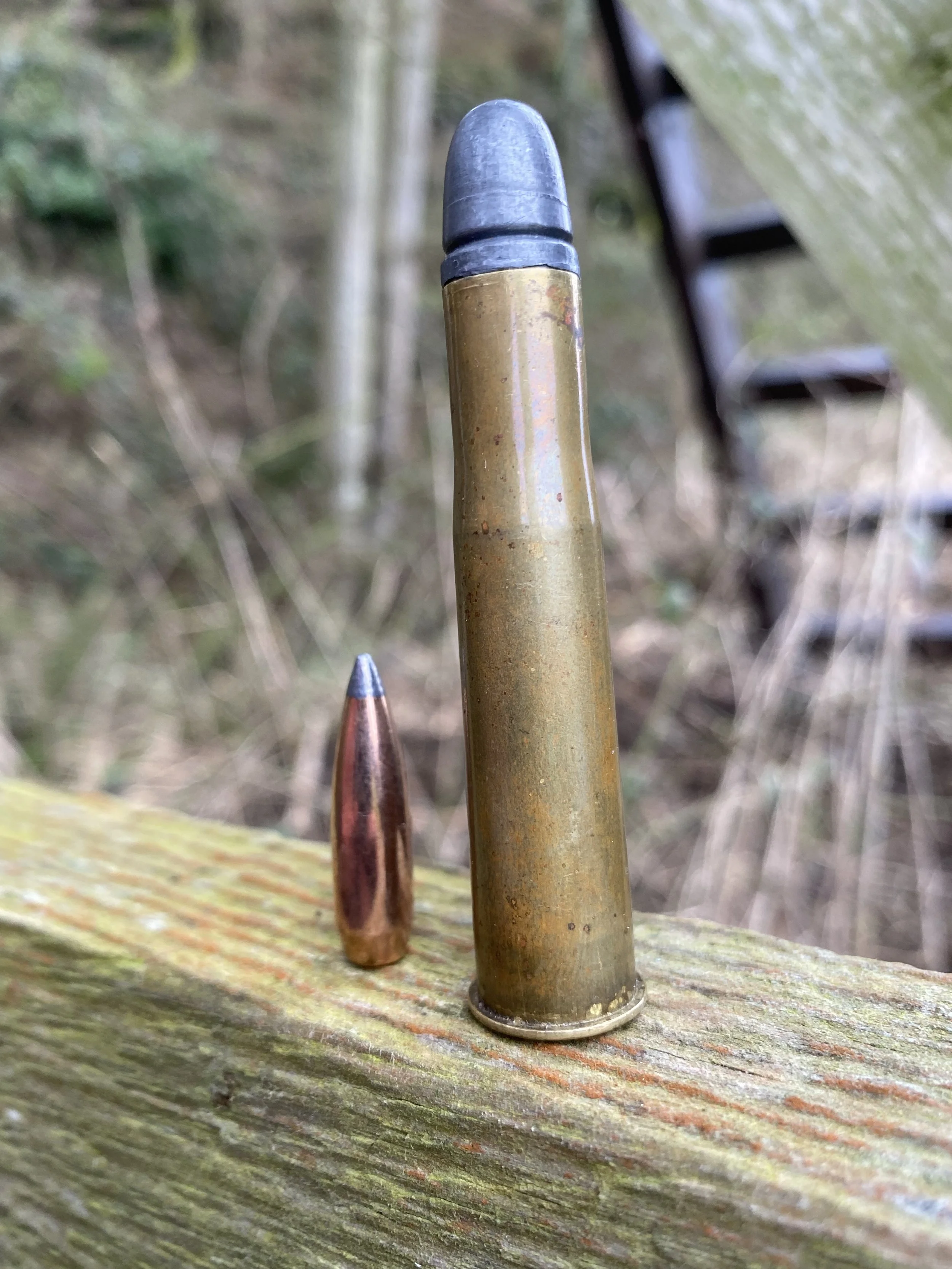
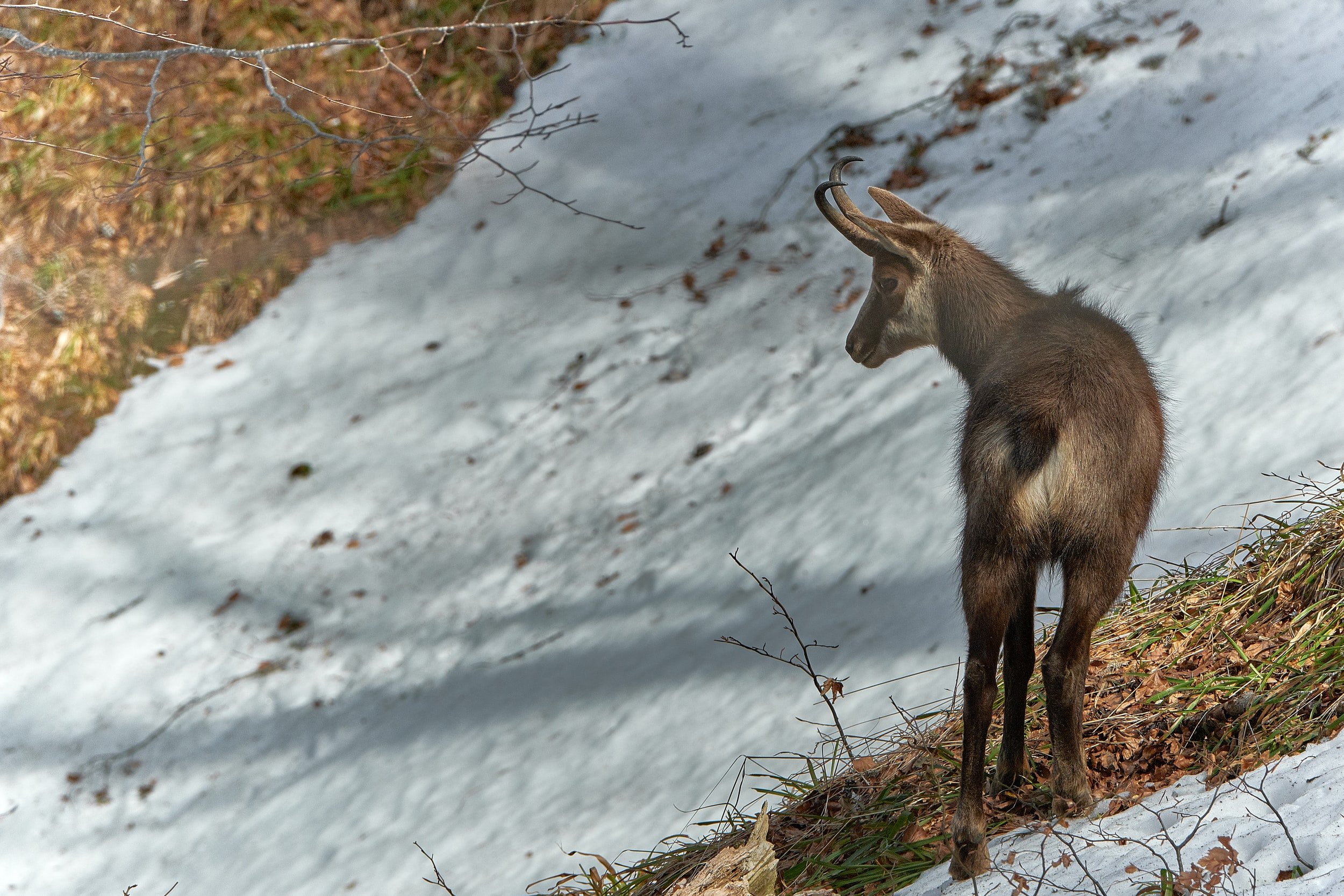
They start from the base, rising with bumps, bruises, and little rings. At last, they turn back, bending to form a bow. With their thick bases, a pair of them sits atop a white face with dark, lengthwise stripes. Every European mountain hunter dreams of this trophy -- the horns of a chamois.
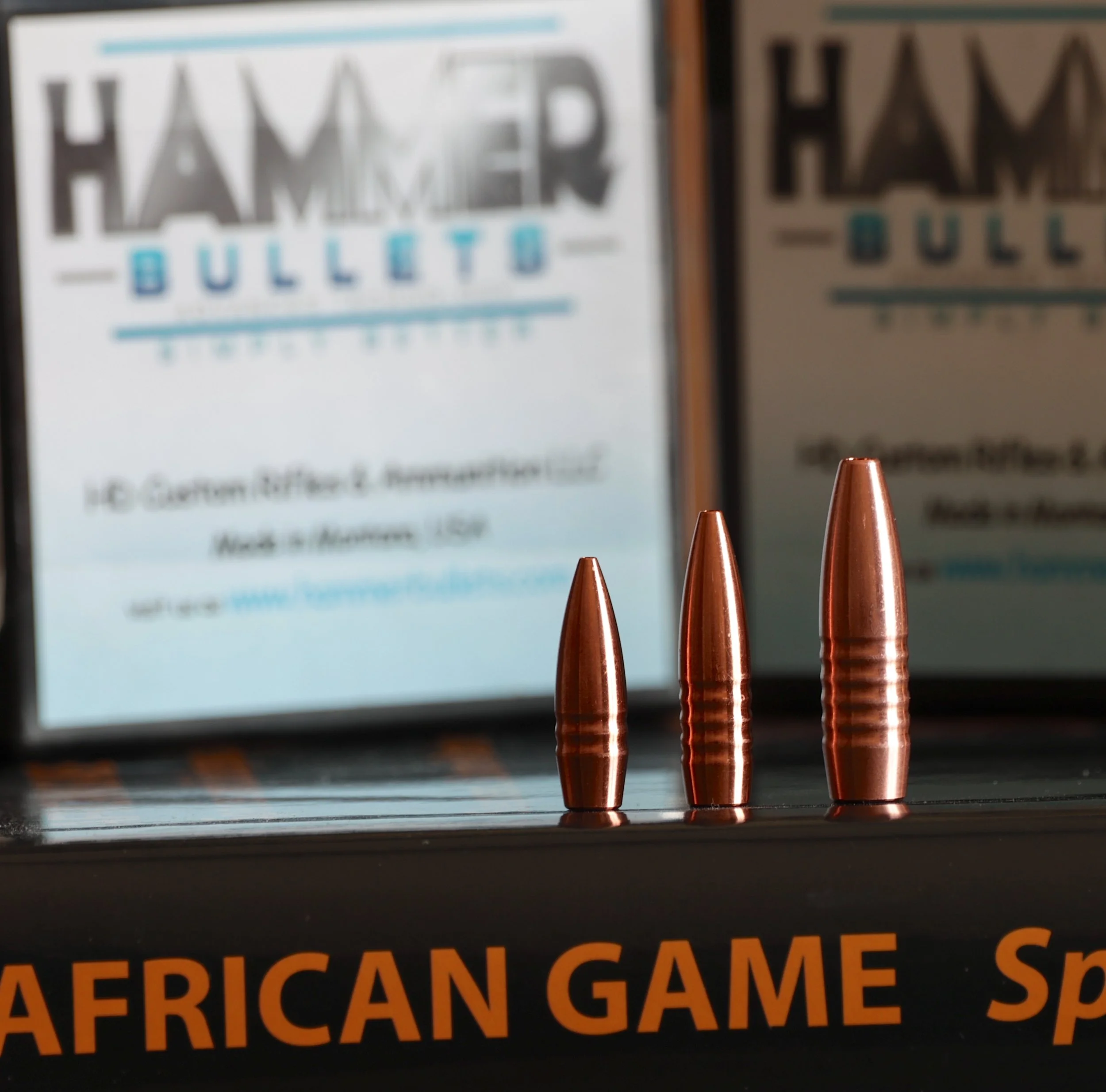


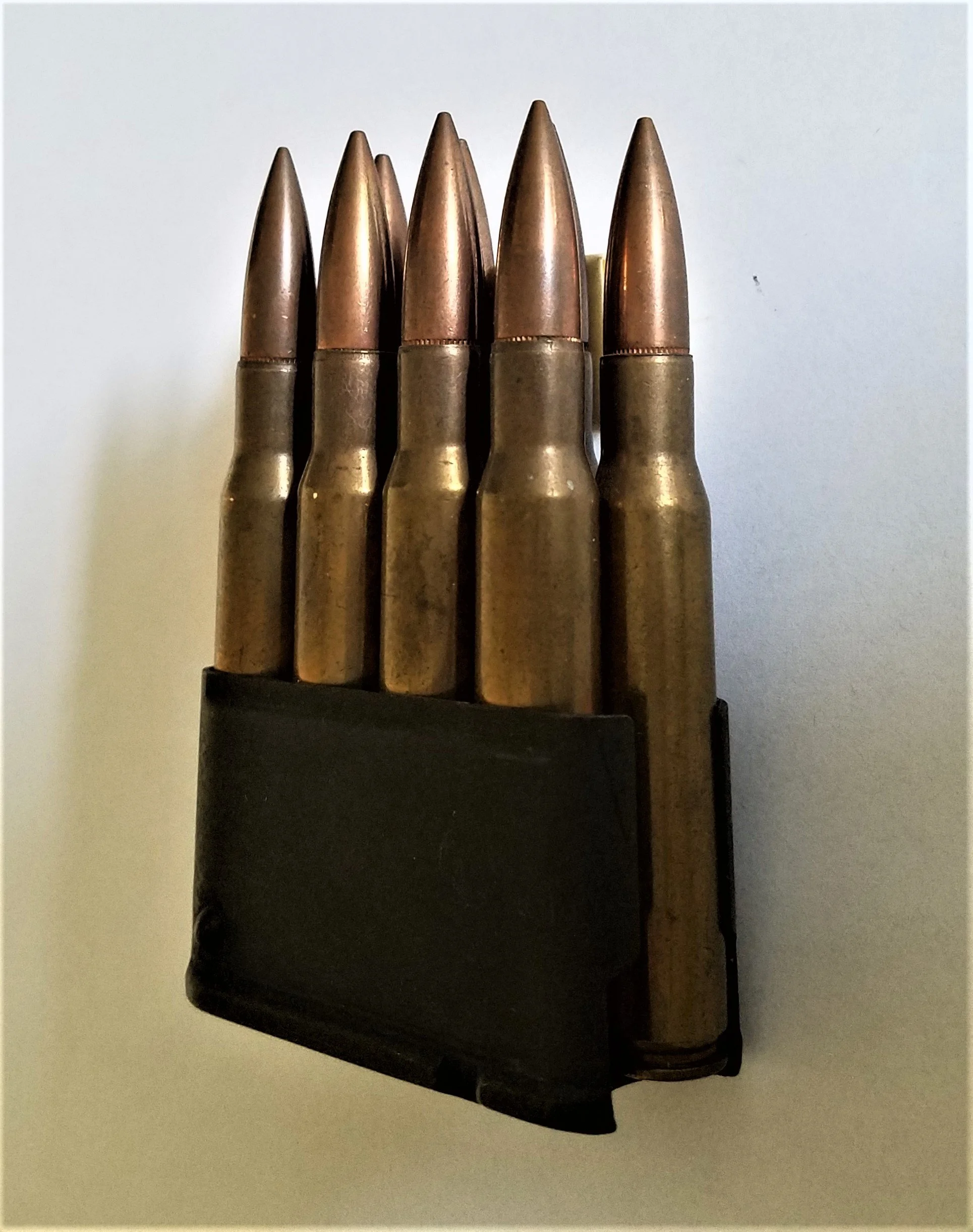
If the average American hunter heads out for a big game hunt, chances are he’s relying on the .30-06 Springfield to get some meat on the ground. Why? Well, because the ought-six has proven time and time again that it gets the job done -- reliably and repeatedly.
If his European counterpart picks his do-it-all rifle, he’ll choose the 8mm Mauser rifle every time.
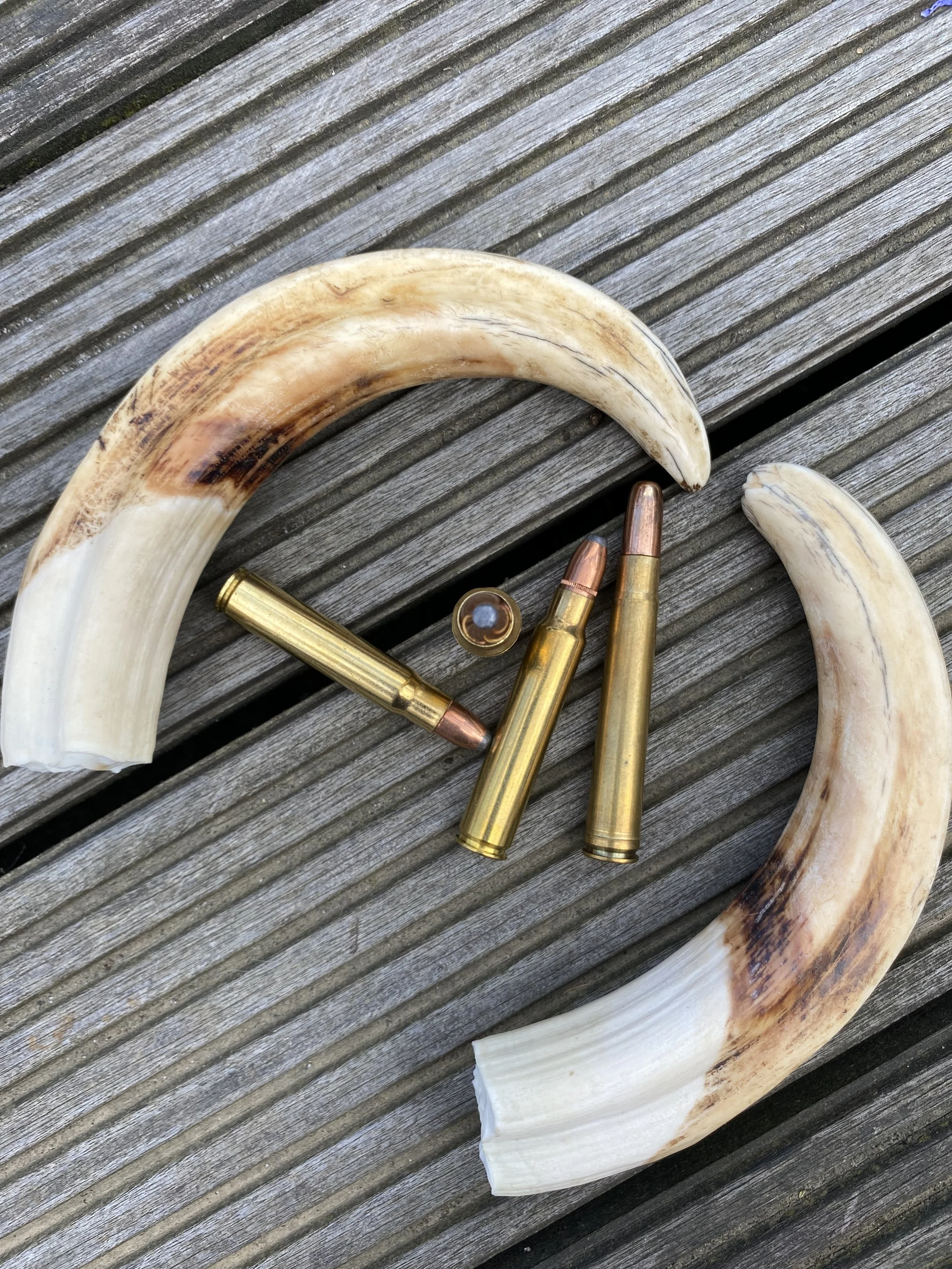
Since its introduction in 1912, the venerable .375 Holland & Holland has been the benchmark for all medium-bore cartridges. Its caliber is the minimum for dangerous game hunting in many African jurisdictions, and with adequate bullets, it’s a sensible choice even for elephant hunting.

Zeroing a traditional 30-30 load at 160-yards maximizes point blank range, but a 50-yard zero might be more effective in tight cover where shots are no farther than 120 yards. Sight-in high at 100 yards for most versatility.
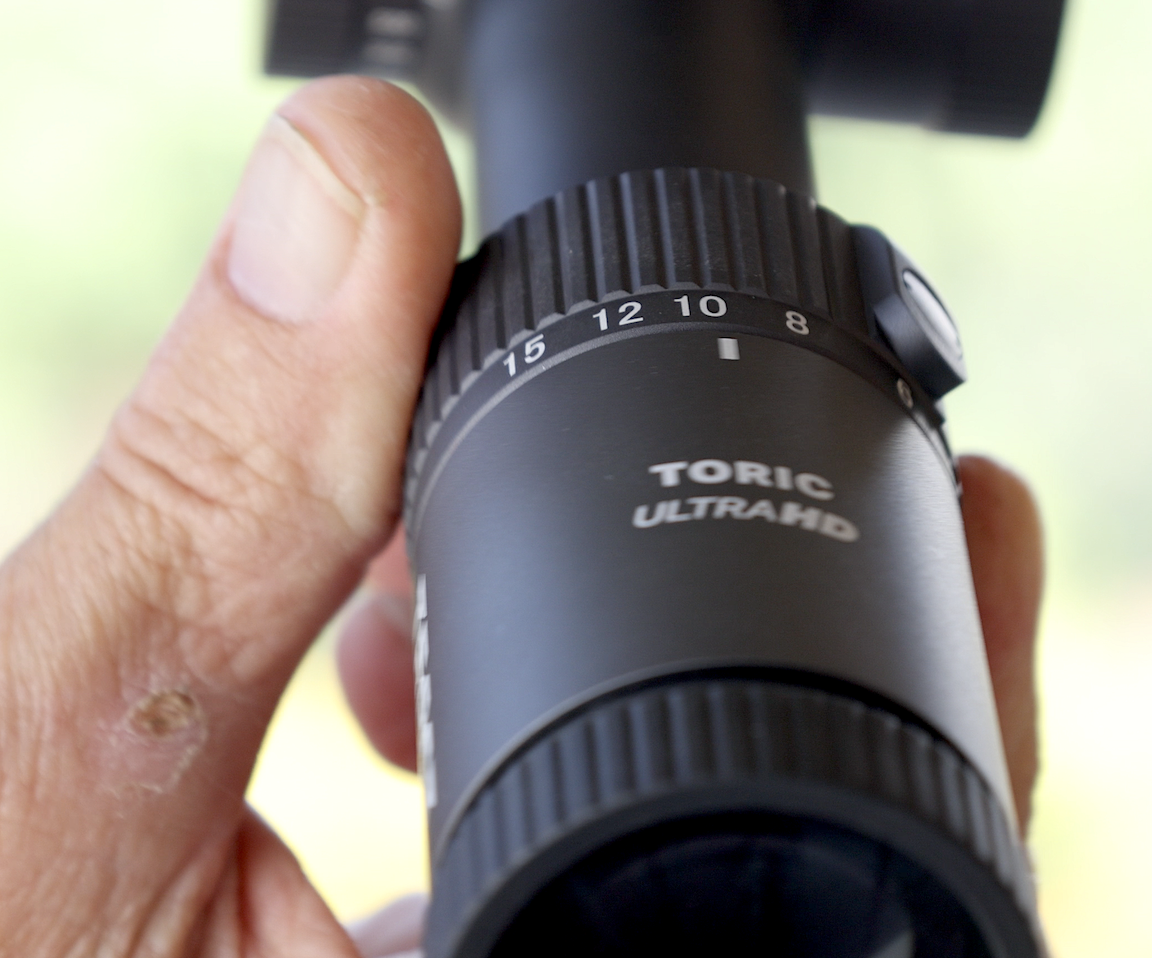
Tract Toric Ultra HD 2.5-15x44 FFP MOA scope earns 5 Stars. Sharp, bright, high contrast, precise, repeatable.


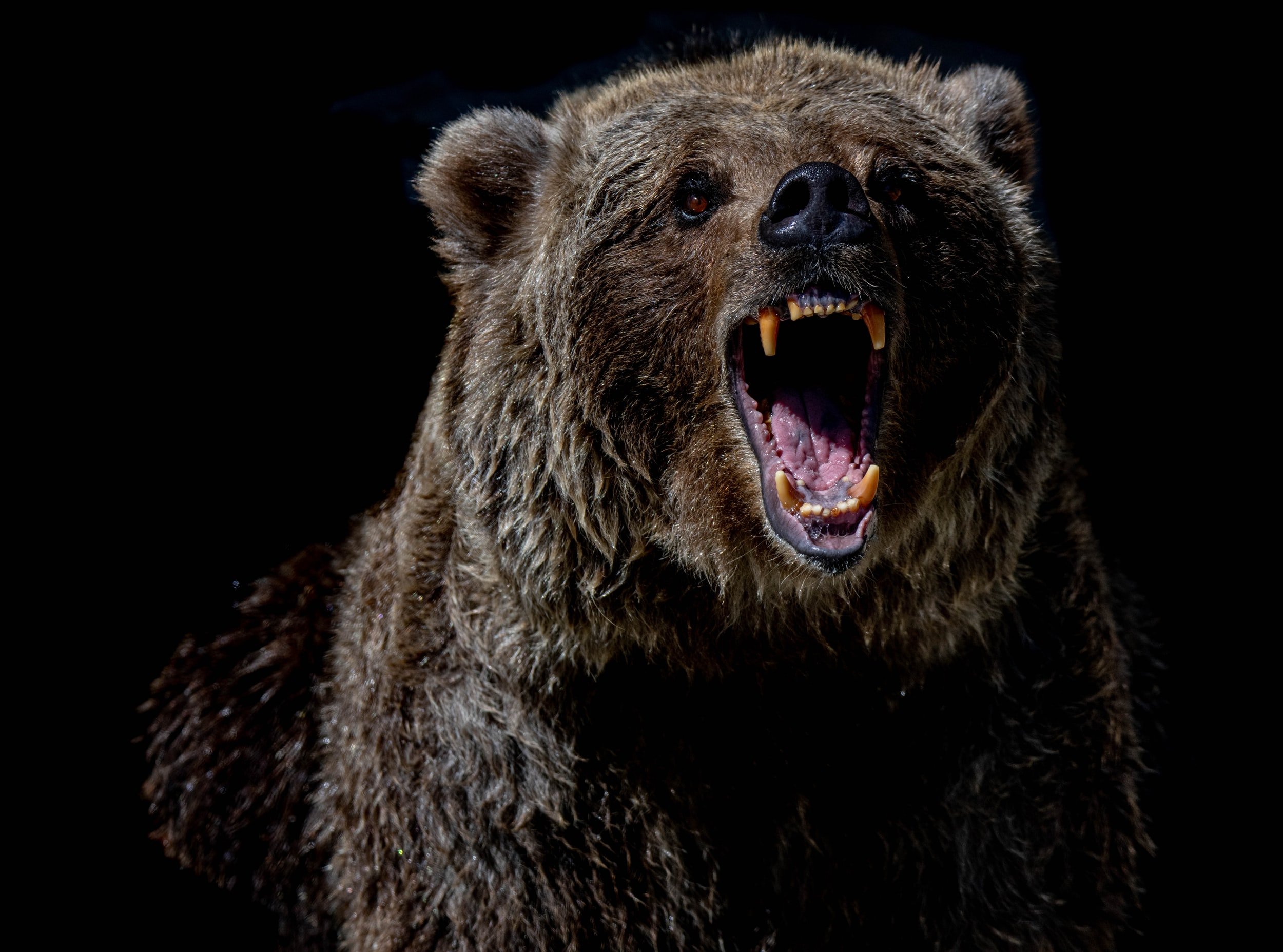
“Find me a good flapping scalp story,” I’d say to the Outdoor Life editors at many of our staff meetings. I meant, of course, a good bear tale where a grizzly or Alaska brown bear got the upper hand and chewed off the hunter’s scalp. During my tenure at Outdoor Life, I learned very quickly that our readers had a true love affair with bears, especially rogue grizzlies.
Baffin Island in the Northwest Territories can be downright mean to hunters. It’s cold, windy, and wet. Campfires are a luxury on Baffin. There are no trees, and the only vegetation is lichen and moss. The shoreline is a maze of ankle-twisting rocks. But the caribou hunting more than made up for the aches and pains in my body when I hunted there years ago.

Unfortunately, the recent black bear attack in northern New Jersey and the first fatal bear attack in about 150 years is an example of what happens when people panic and run scared. Perhaps this deadly attack might not have happened if the young hiker had been more knowledgeable about the dangers of encountering a wild animal.

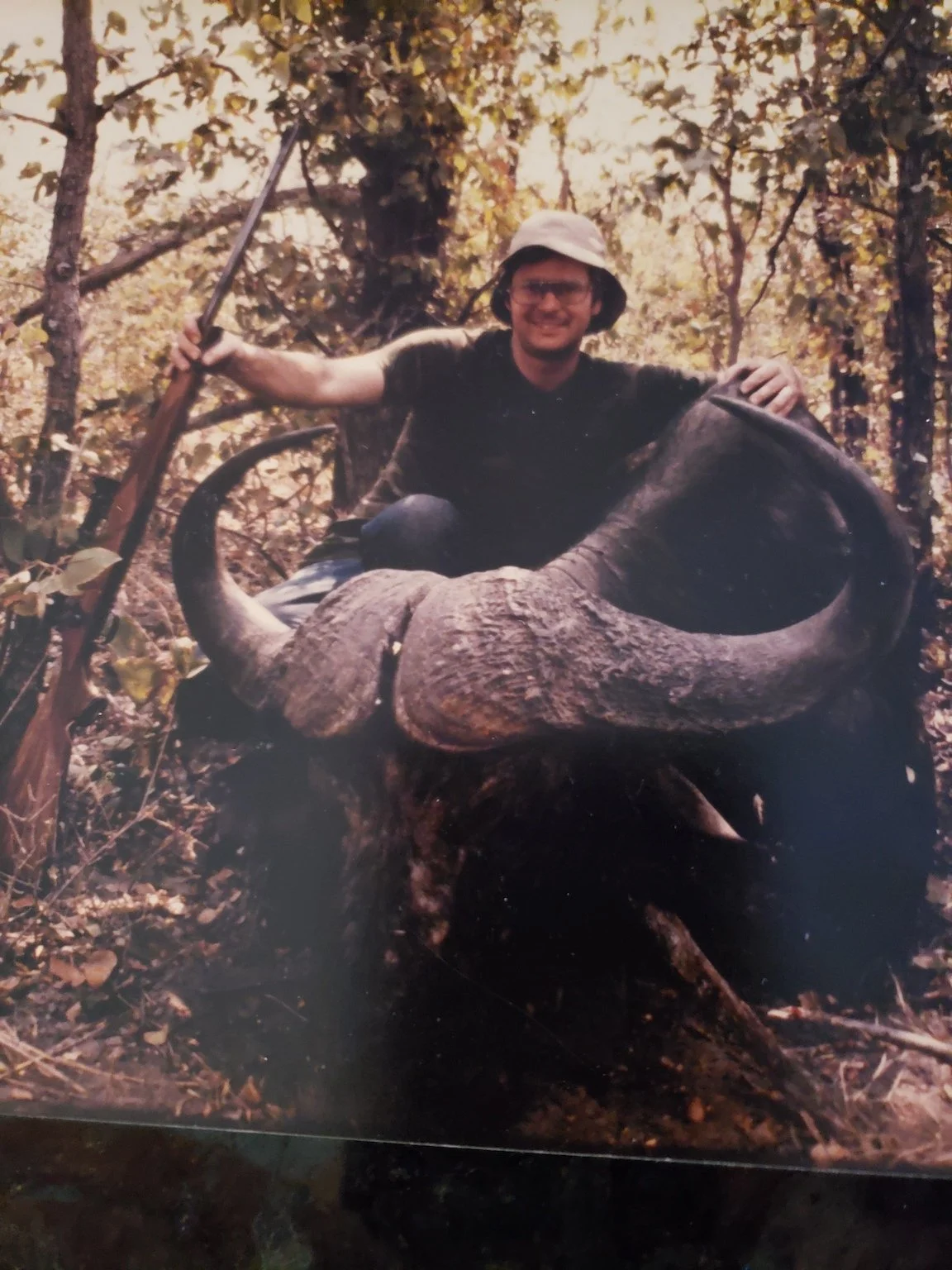
“This was not the way it was supposed to happen. I hit the Cape buffalo squarely in the chest with a .375 Holland & Holland, a cartridge the size of a banana. Nyati was supposed to go down. He didn’t even flinch! In fact, the bull trotted off with his buddies.